Quiet Modern Mastery: Robert Metcalf’s “LesStrang Home” in Ann Arbor
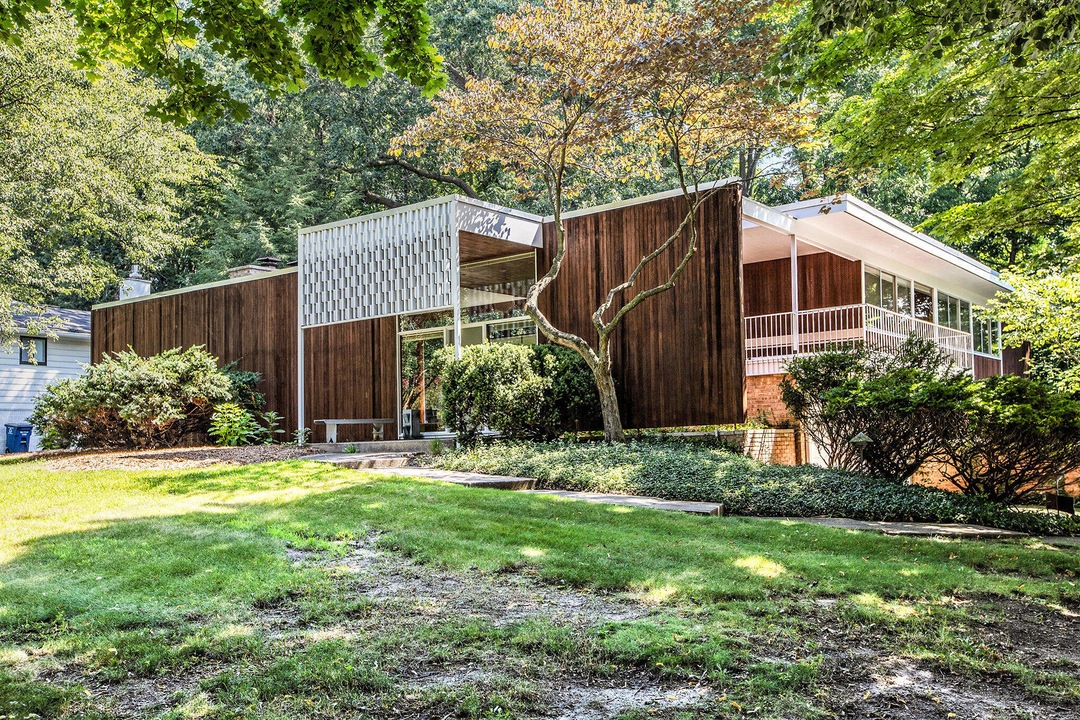
Set on a wooded lot in Ann Arbor’s Turnberry Hills neighborhood, The LesStrang Home is an enduring statement of Michigan modernism. Designed in 1959 by Robert C. Metcalf, one of the state’s most celebrated modern architects, the home illustrates Metcalf’s signature blend of function, proportion, and respect for nature. Metcalf, who later served as dean of the University of Michigan’s Taubman College of Architecture and Urban Planning, was known for his careful site integration and mastery of modest yet refined materials. This residence encapsulates that philosophy with quiet precision.
Location
Ann Arbor, MI
Style
Mid-Century ModernAddress
2427 Londonderry Rd
Architect
State
MichiganPhoto Credit
Matt Dejanovich, Real Estate One
Interested in this property?
View Listing DetailsPhoto Gallery

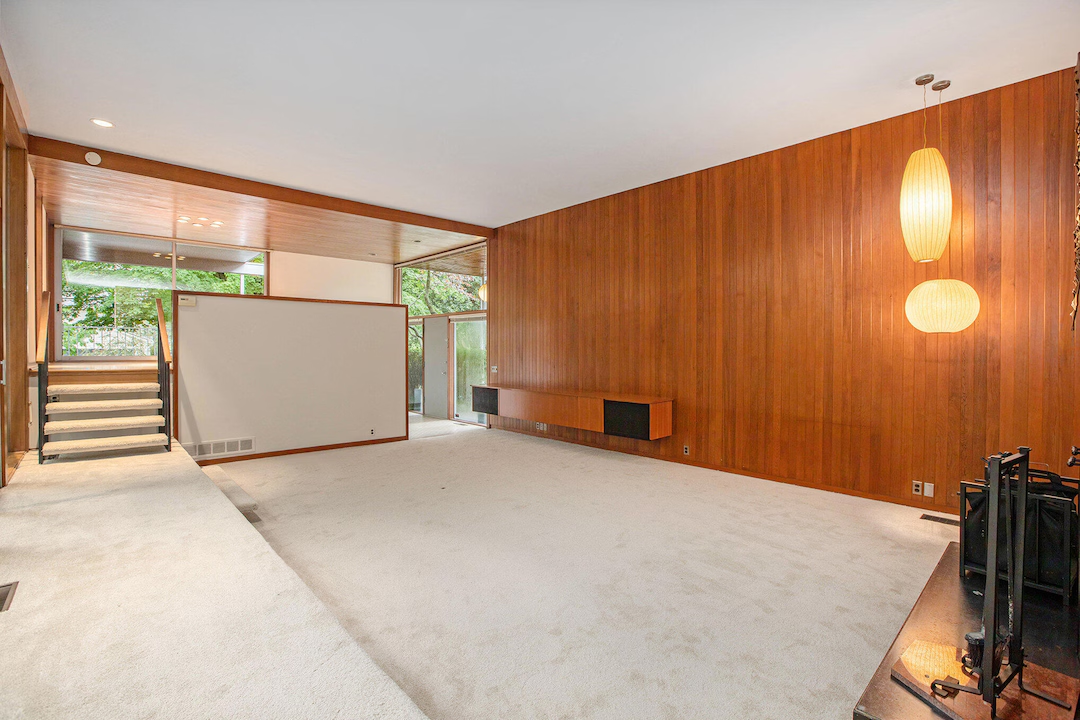
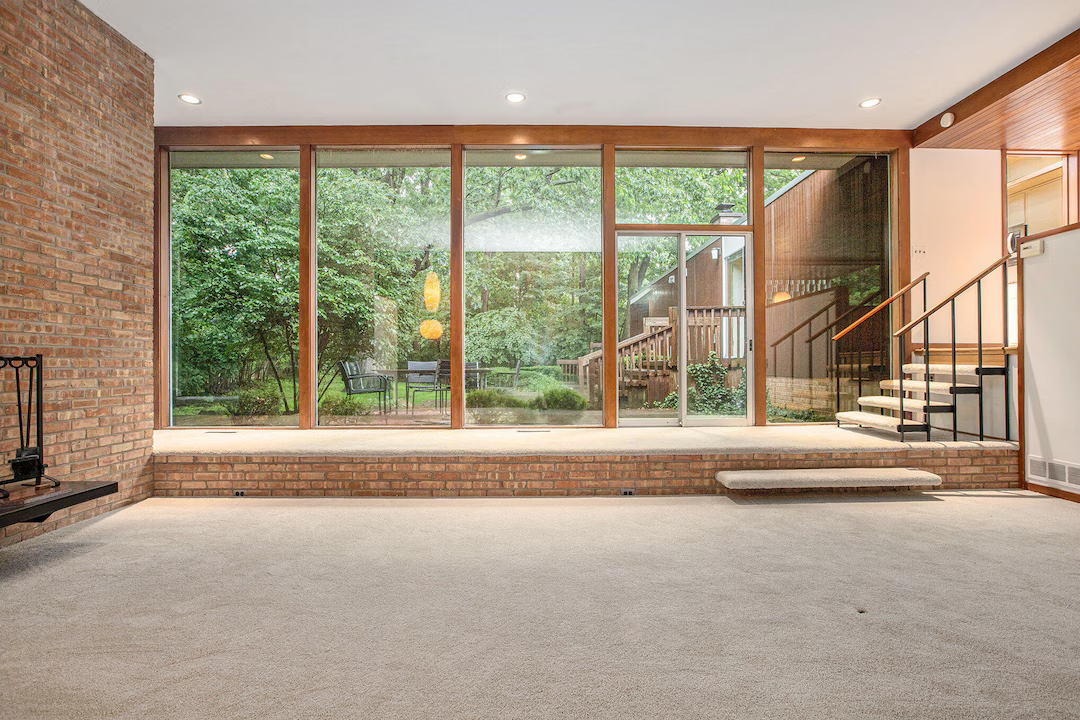
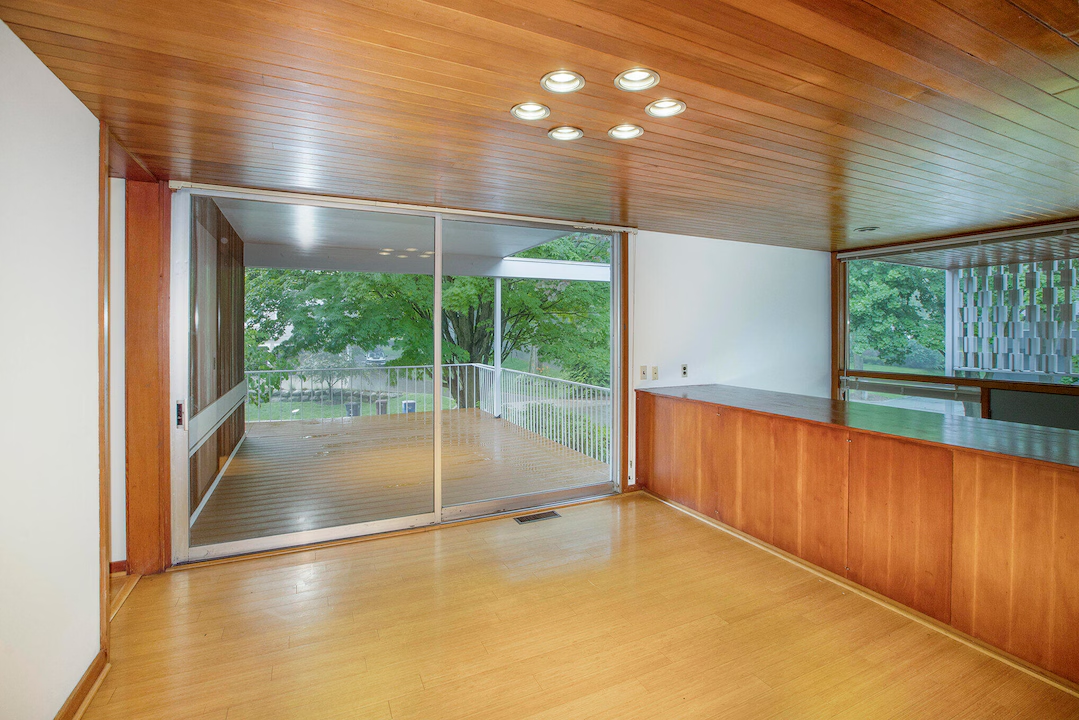
The structure, a 3,782-square-foot composition of wood, glass, and brick, sits confidently among mature trees, its horizontal lines echoing the landscape. The façade is unpretentious and defined by vertical wood siding, broad overhangs, and expanses of glass that invite daylight deep into the interiors. Inside, Metcalf’s attention to spatial rhythm becomes apparent: rooms unfold through subtle changes in ceiling height and view, leading naturally from the entry into open living areas and out toward the private yard.
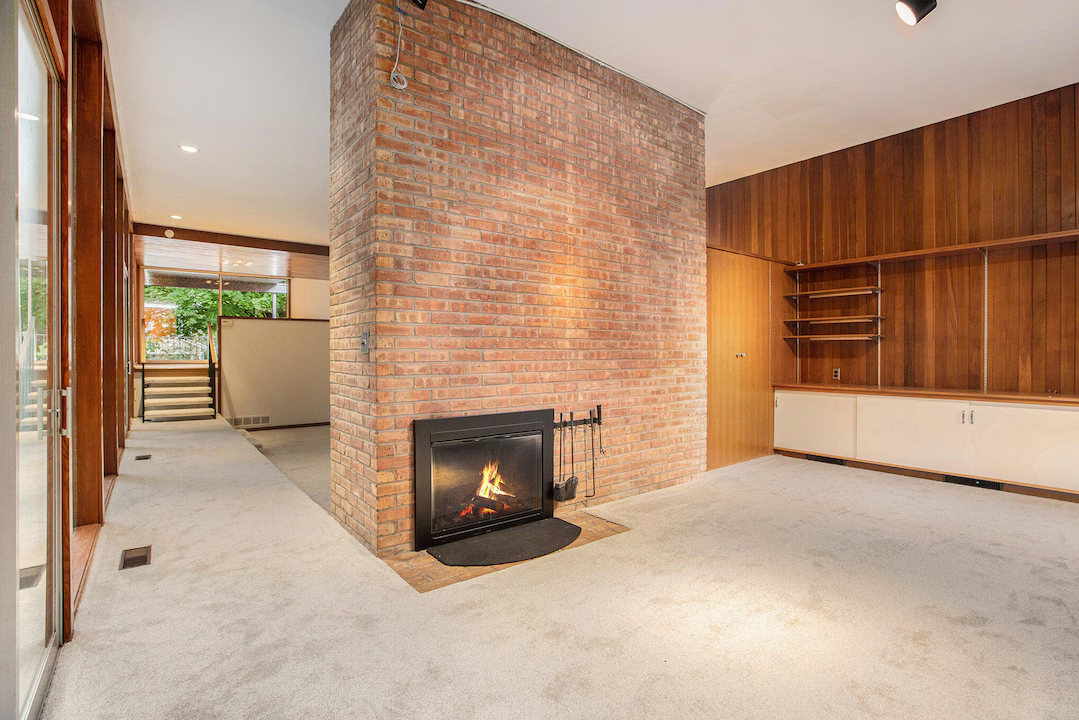
The main level centers on a dramatic, double-height living area anchored by a floor-to-ceiling brick fireplace. Period wood paneling and built-ins lend warmth to the space, while full-height glazing reinforces the seamless transition between indoors and out which is a hallmark of Metcalf’s work. The galley kitchen retains its efficient modern layout, updated with stone counters and stainless-steel appliances that complement, rather than compete with, the home’s original design.
Upstairs, the private wing is designed for retreat, with a primary suite overlooking the treetops and three additional bedrooms thoughtfully arranged for both privacy and light. The lower level adds flexible space for an office or studio, along with an additional bedroom and bath. Subtle details like built-in cabinetry, carefully scaled openings, and honest use of materials underscore Metcalf’s belief that beauty lies in restraint and clarity.
Like many of Metcalf’s houses, the LesStrang Home avoids spectacle. Instead, it offers a quiet architectural integrity that rewards close attention. Its enduring craftsmanship, generous connection to nature, and unassuming elegance make it not just a relic of mid-century design but a timeless expression of how modern architecture can live comfortably within its landscape.