10666 S Moapa Ave, Portland

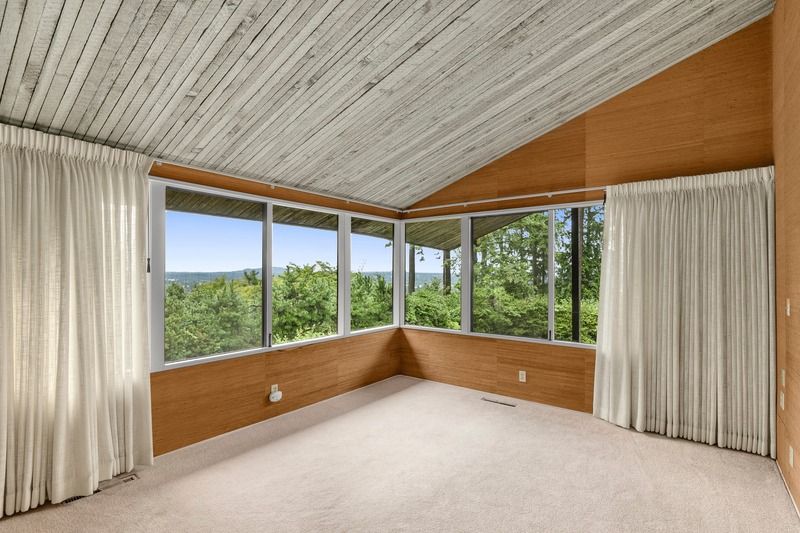
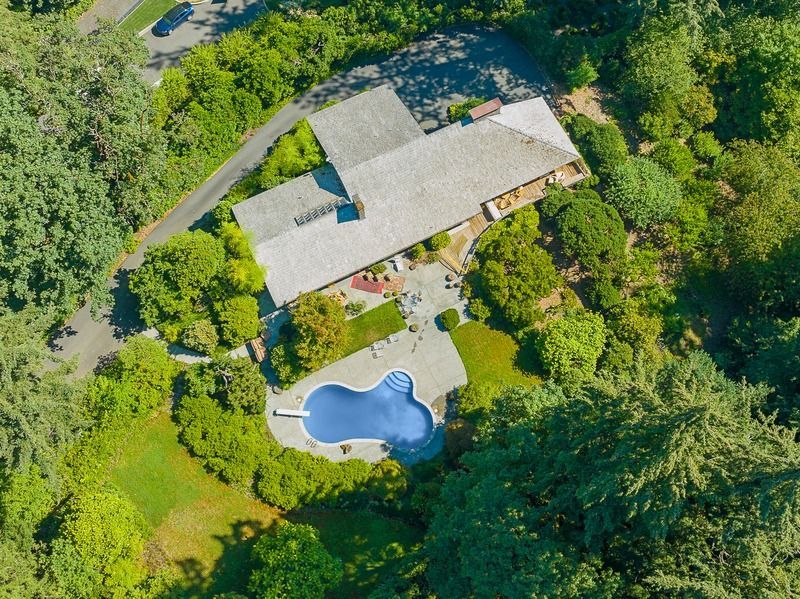
Tucked down a long private driveway in Portland's Dunthorpe neighborhood, this 1953 home by architect Van Evera Bailey is the kind of place that makes you forget you're minutes from the city. The 2.25-acre two-parcel lot is wrapped in mature trees and landscaping that give it the feeling of a secluded campus, with views stretching east to Mt. Hood and north to Mt. Saint Helens on a clear day.

5

Bedrooms

3

Bathrooms


1953

Year Built

Van Evera Bailey

Developer


Northwest Contemporary

Style

Dunthorpe

Neighborhood

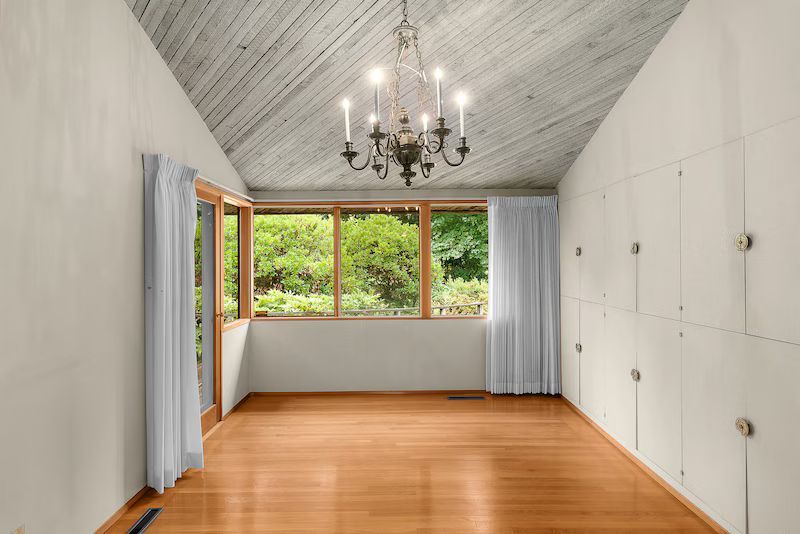
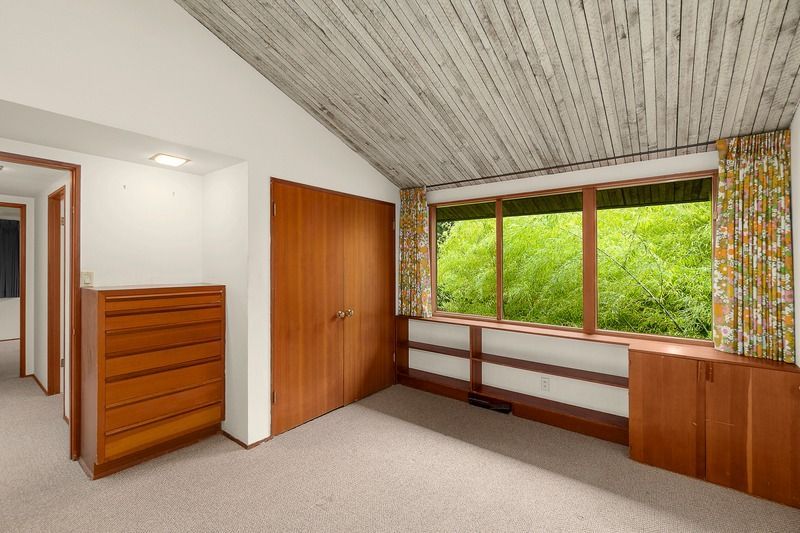
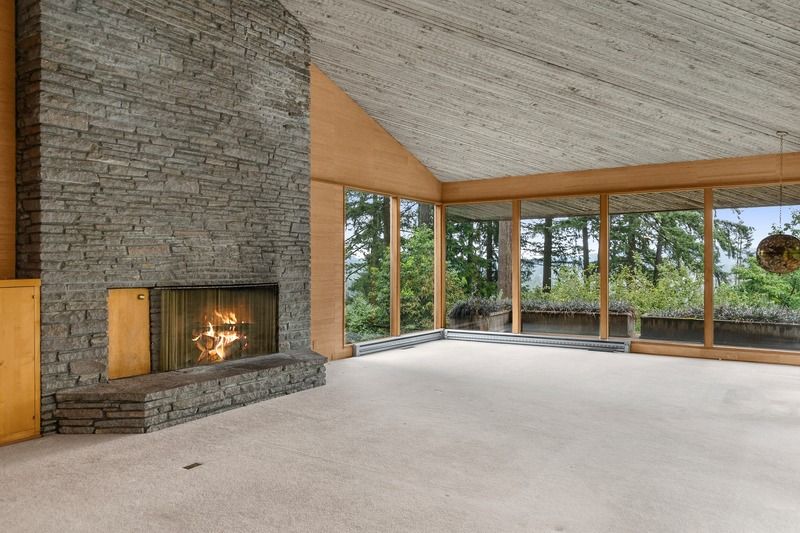
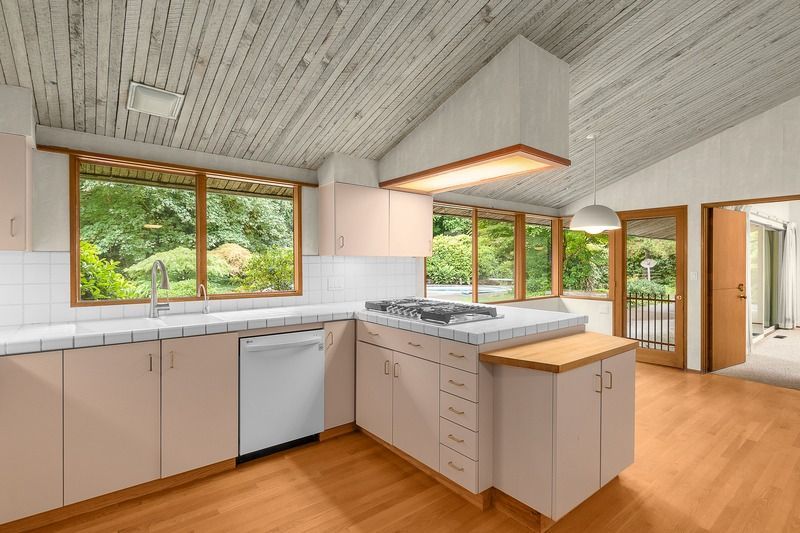
Bailey was one of the defining voices of Northwest Regional modernism , a movement that grew out of the work of Pietro Belluschi and John Yeon in the 1930s and emphasized building in harmony with the Pacific Northwest's landscape and climate. His homes are known for their use of natural materials, generous eaves to handle the region's relentless rain, and a deep attention to how a house actually gets lived in day to day. One of his signature moves was a laminated ceiling system using rough-sawn fir boards which is immediately recognizable to anyone familiar with his work. Walk into one of his houses and your eyes go straight up.


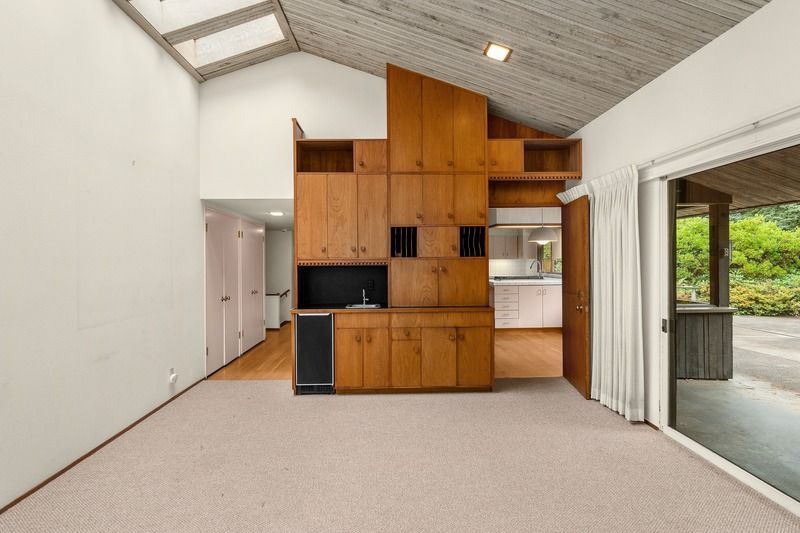
Here on Moapa Avenue, that ceiling does exactly what it's supposed to: it pulls your gaze upward and then outward through floor-to-ceiling windows to the trees and sky beyond. The great room is the heart of the house, anchored by a stacked stone fireplace and opening onto a wraparound deck and the in-ground pool below. Part of the structure sits on heavy timber stilts above the carport, a detail that gives the main living level a sense of being lifted into the forest canopy.
Credit for All Photos: RUUM Media & Kaer Property Group

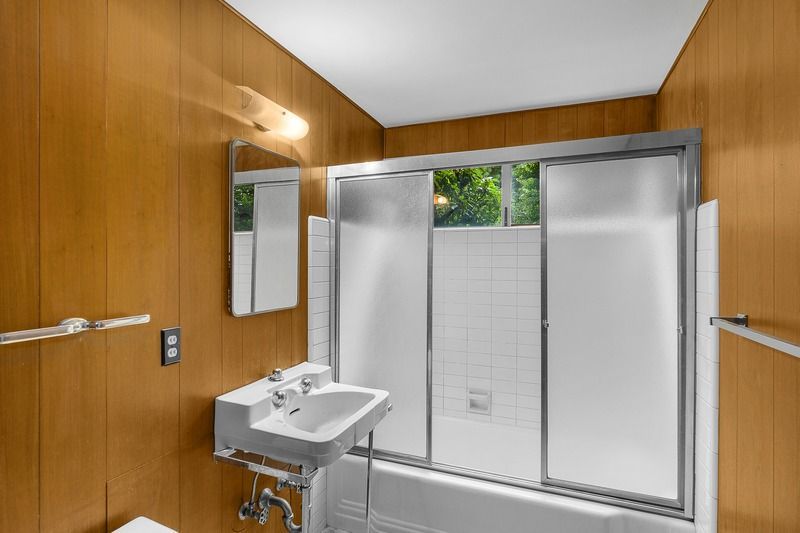
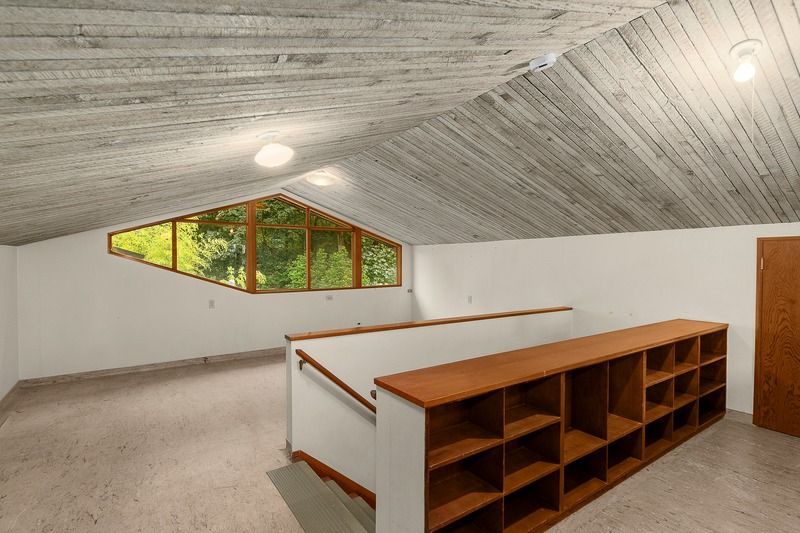
The floor plan is generous without feeling sprawling. Five bedrooms are spread across three levels, with the primary suite enjoying the same mountain views as the great room. A paneled lower level adds a rec room and additional bathroom, while a top-floor room is ringed with windows and lined with built-in shelves. This is the kind of quiet, light-filled space that makes you  immediately start rearranging your life to work from home. The kitchen connects to both a formal dining room and a more casual eating area, keeping the layout practical and social in equal measure.

The house sold in April 2025 for $1.9 million , and it's easy to see why it drew attention. More than seventy years after Bailey drew it up, it still feels like a considered, original piece of work — rooted in its place, honest about its materials, and genuinely comfortable to be in. That's a harder combination to pull off than it looks.