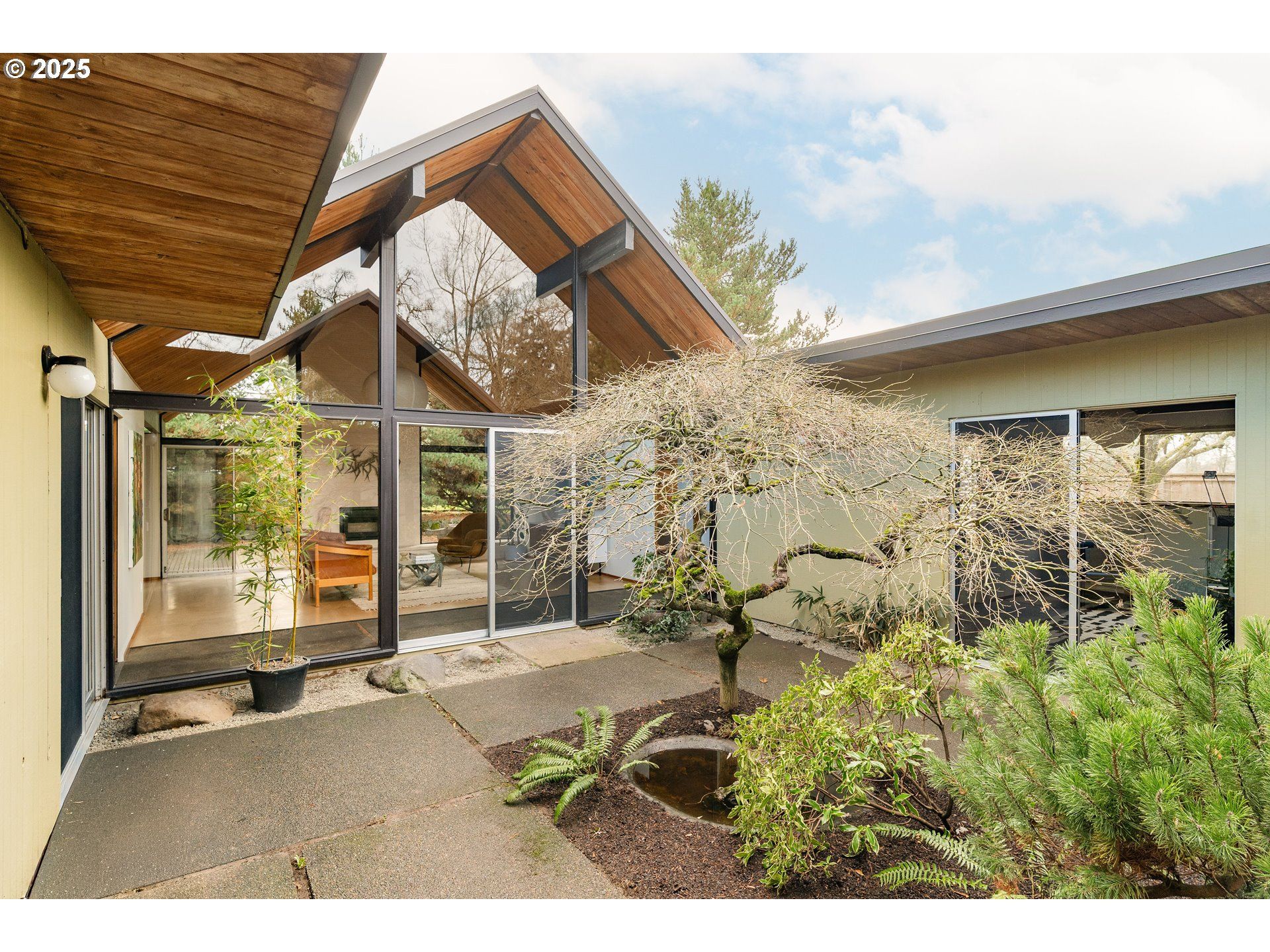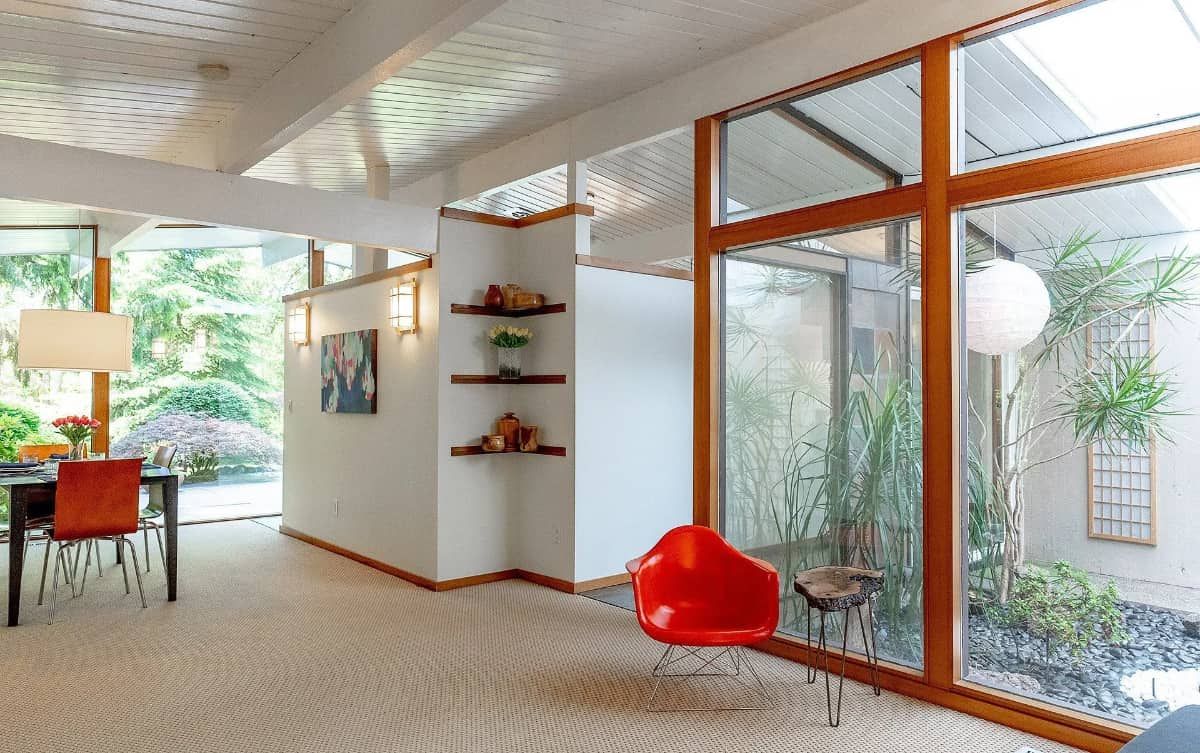
Contemporary architecture is, by definition, a moving target. The term literally means "of the current time" - which means contemporary design in 2025 looks different from contemporary design in 2005, and will look different again in 2045. Unlike mid-century modern or Northwest contemporary, which refer to specific historical periods and design philosophies, contemporary is simply whatever architects are creating right now.
In Portland's current architectural landscape, contemporary modern homes reflect today's priorities: sustainability, energy efficiency, smart home integration, and a continued emphasis on natural light and indoor-outdoor living. These homes are informed by modern design principles but executed with today's materials, technologies, and environmental consciousness.
What Defines Contemporary Modern Today?
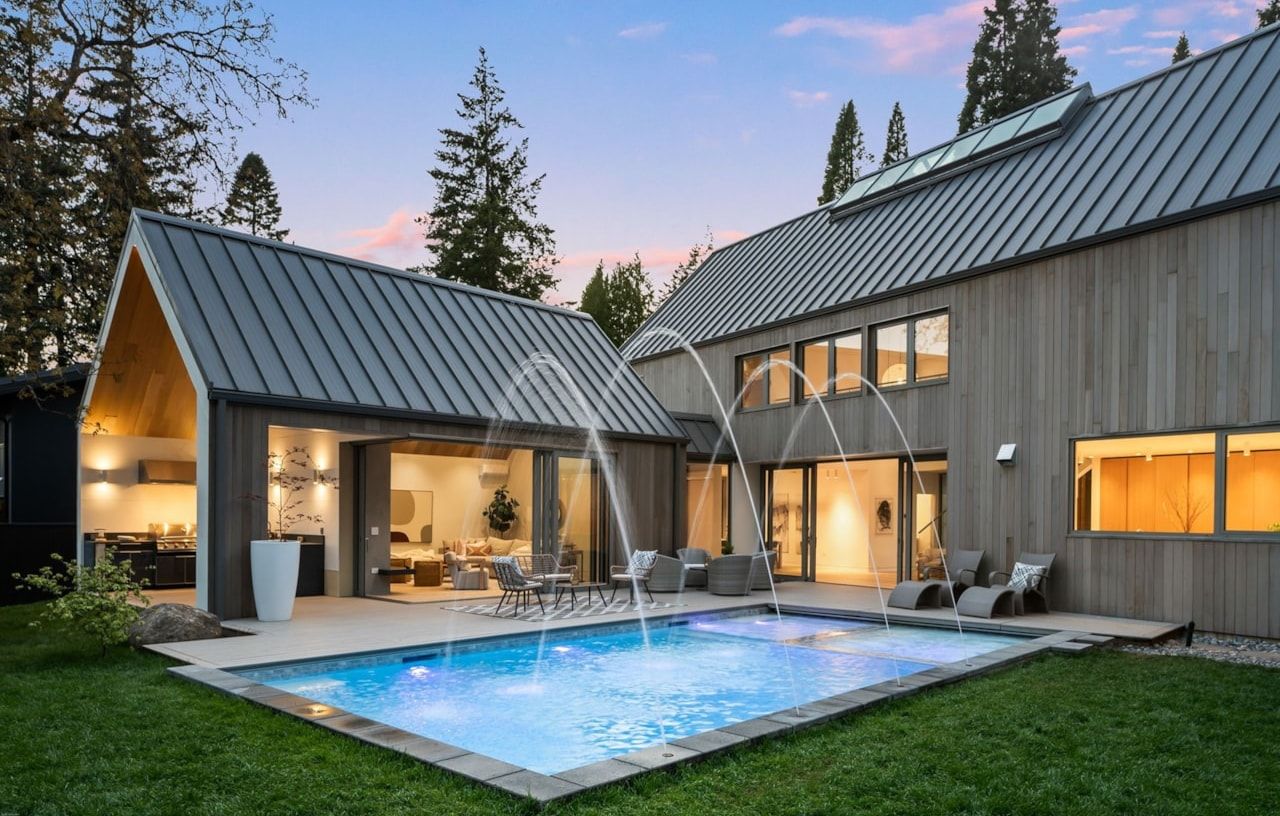
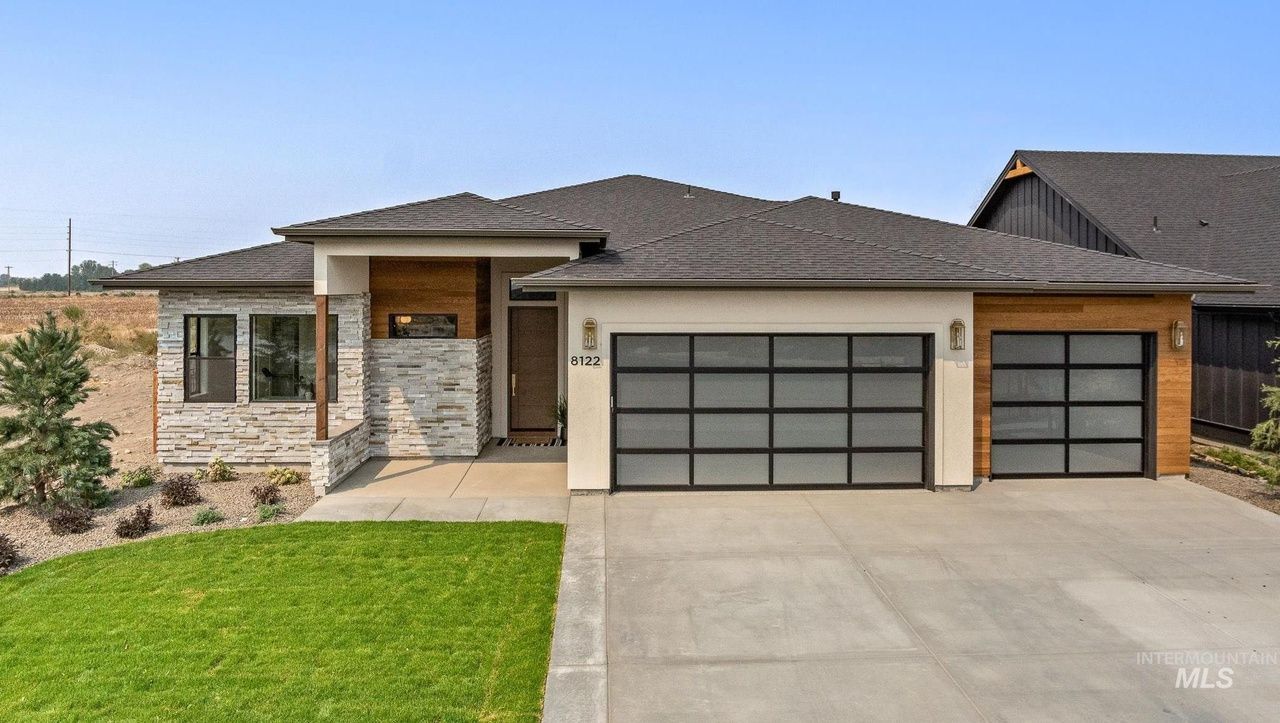
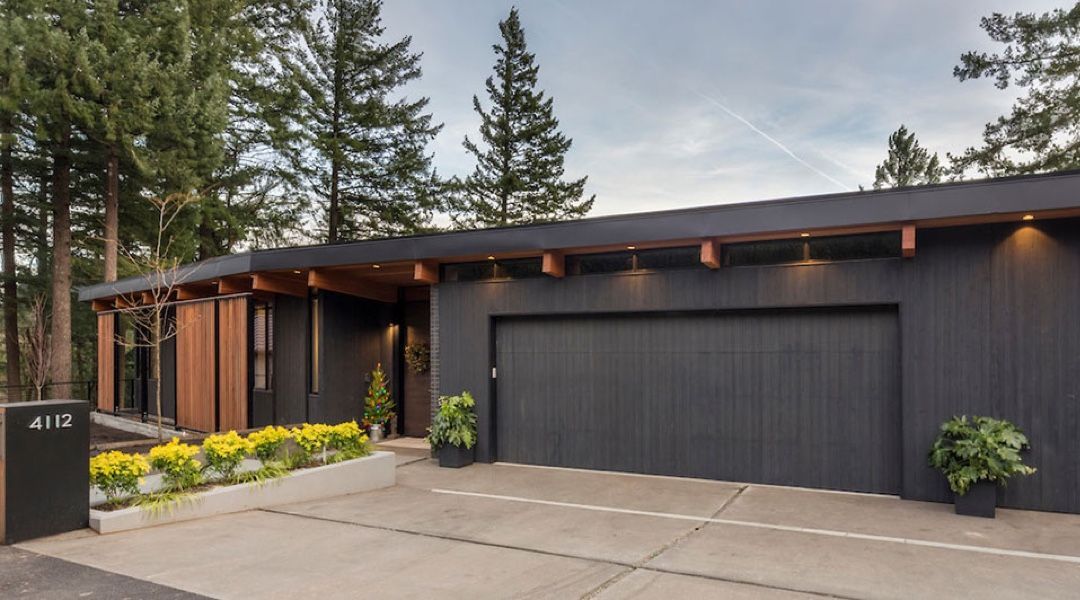
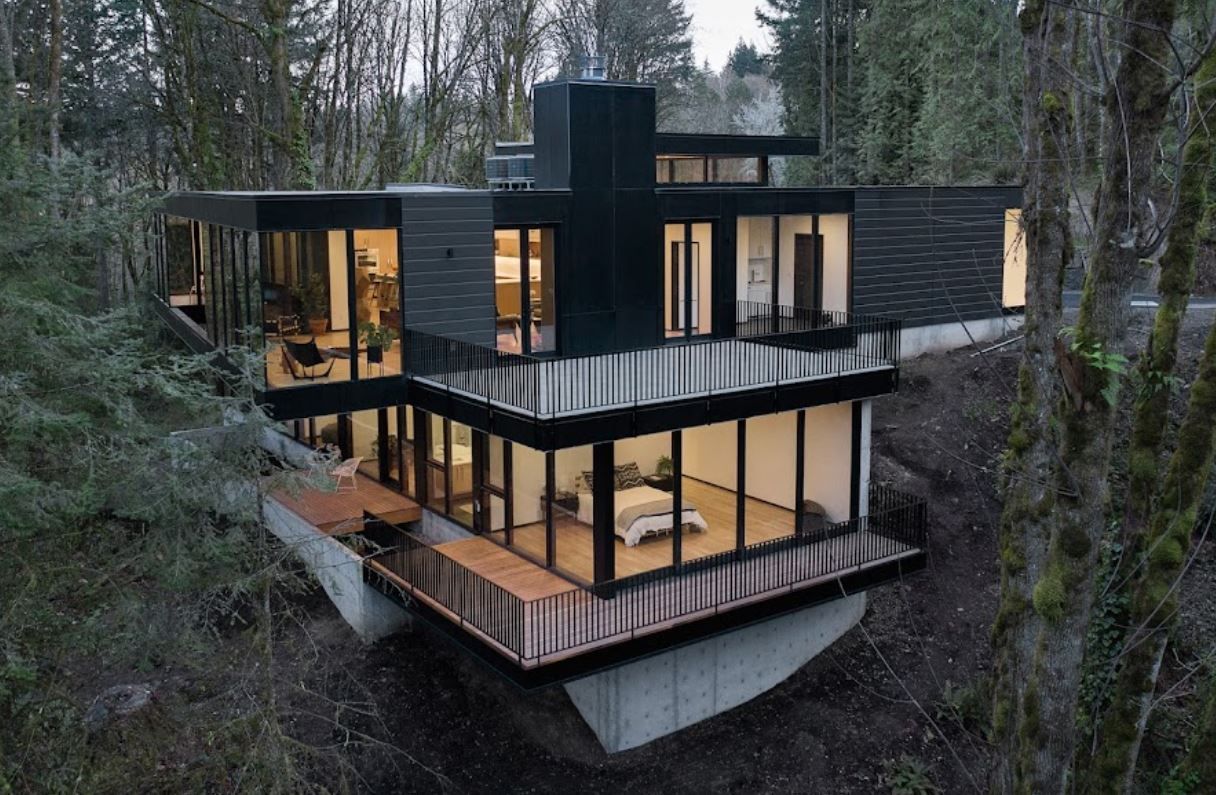
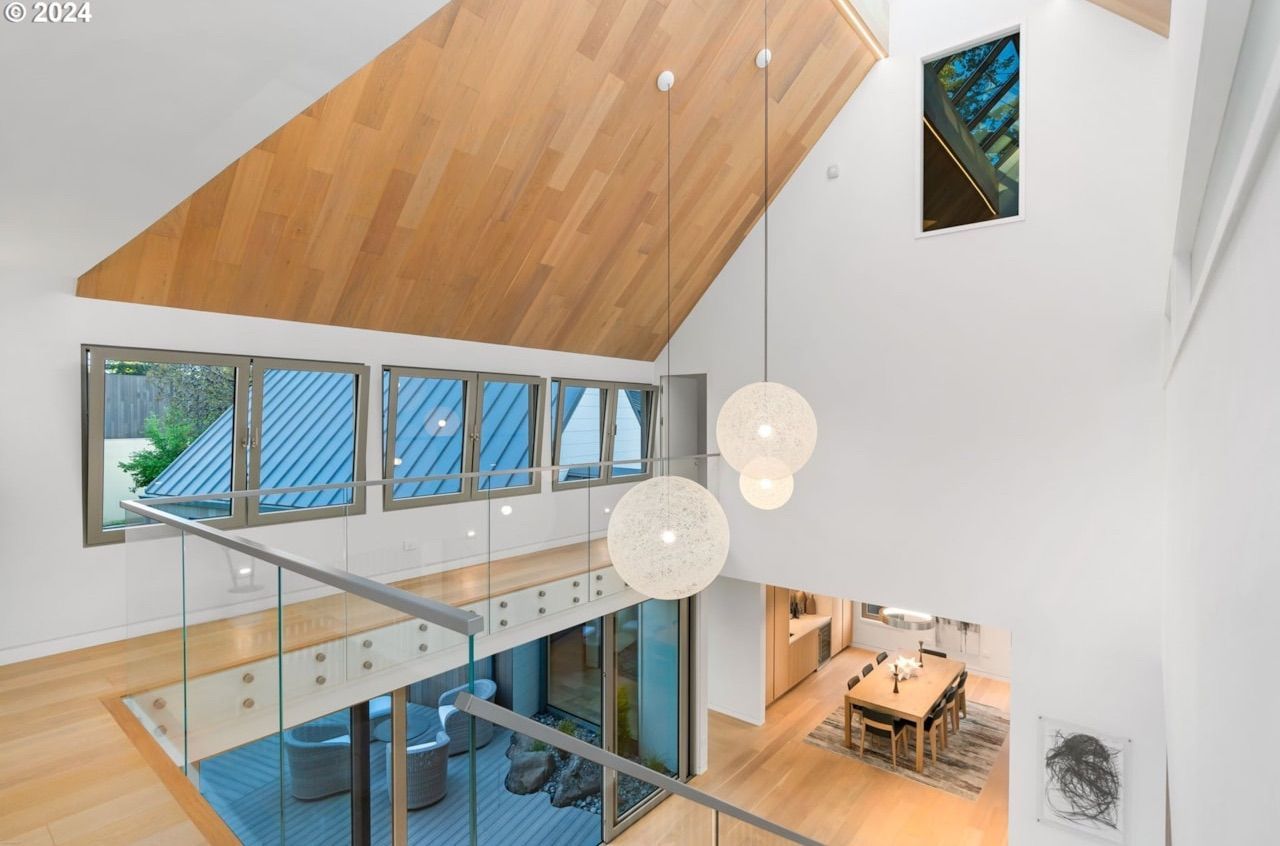
Contemporary architecture in Portland tends to embrace clean, minimalist aesthetics while incorporating a wider range of forms and materials than mid-century modernism allowed. You'll see asymmetrical facades, large strategically-placed windows (rather than uniform walls of glass), mixed materials combining wood, metal, concrete, and high-performance glazing, and often bold geometric shapes that mid-century architects would never have considered.
Sustainability is central rather than optional. Contemporary homes in Portland frequently feature passive house principles, net-zero energy design, green roofs, reclaimed or sustainably-sourced materials, and high-performance building envelopes that dramatically reduce energy consumption.
Contemporary Modern in Portland
Portland's contemporary architecture scene reflects the city's values: environmental stewardship, thoughtful urban density, and a deep respect for the natural landscape. You'll find contemporary modern homes throughout Portland in areas like the Alberta Arts District, Division-Clinton, Sellwood and even up into Vancouver and down to Lake Oswego and Happy Valley.
These homes tend to maximize efficiency on smaller urban lots through vertical design, while suburban contemporary homes take advantage of larger parcels to create indoor-outdoor living spaces that work year-round in Oregon's temperate climate. Materials often nod to Northwest traditions - wood siding, metal roofing - while forms push beyond the horizontal emphasis of mid-century design into more varied, sculptural expressions.
What unites them is a commitment to design excellence, environmental responsibility, and creating spaces that enhance how people live today - not how they lived seventy years ago.