Northwest Contemporary architecture is more than just another modern style. It's more of a direct response to living in one of the most dramatic natural settings in the country. Born from the Pacific Northwest's unique climate and landscape, this approach to modern design embraces the region's forests, mountains and rain rather than fighting against them.
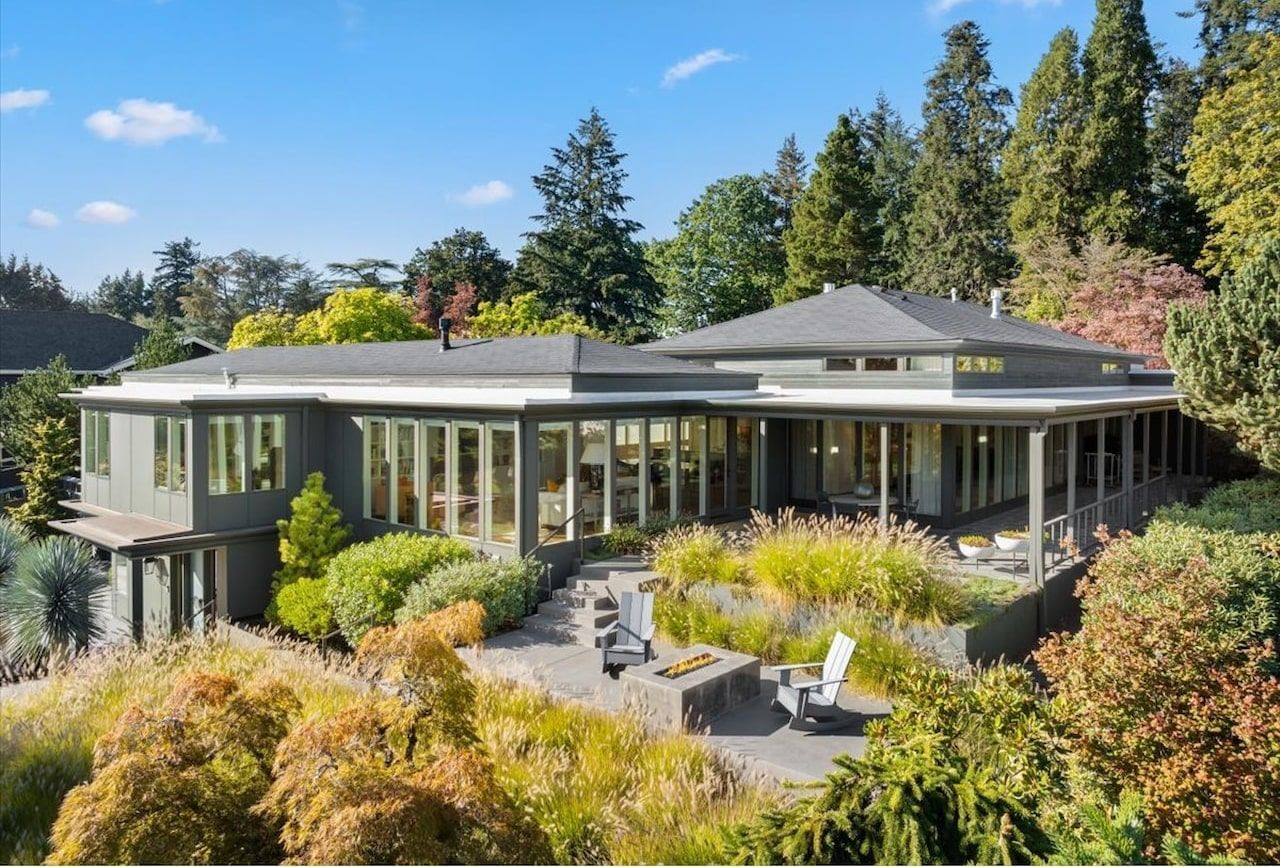
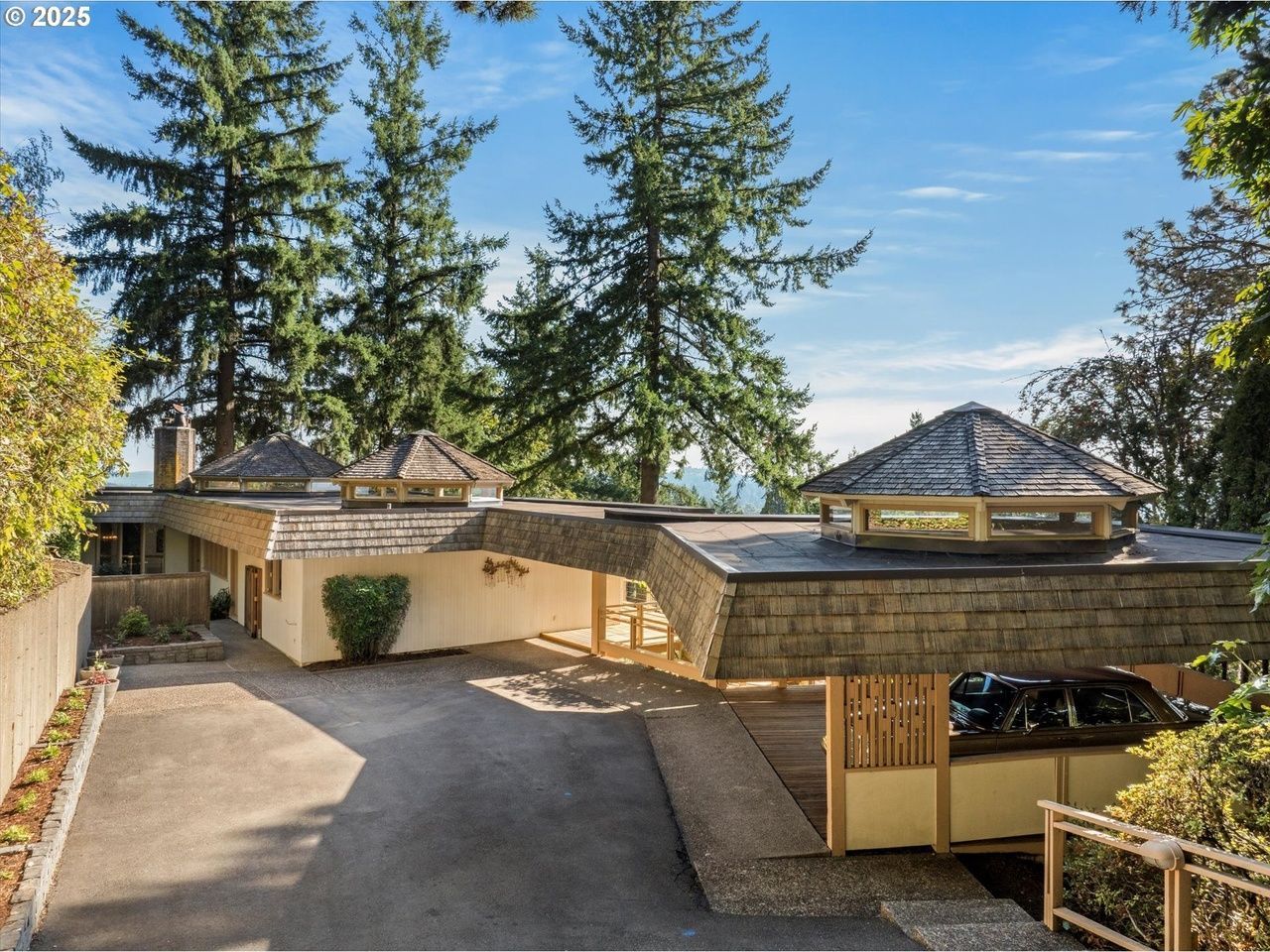
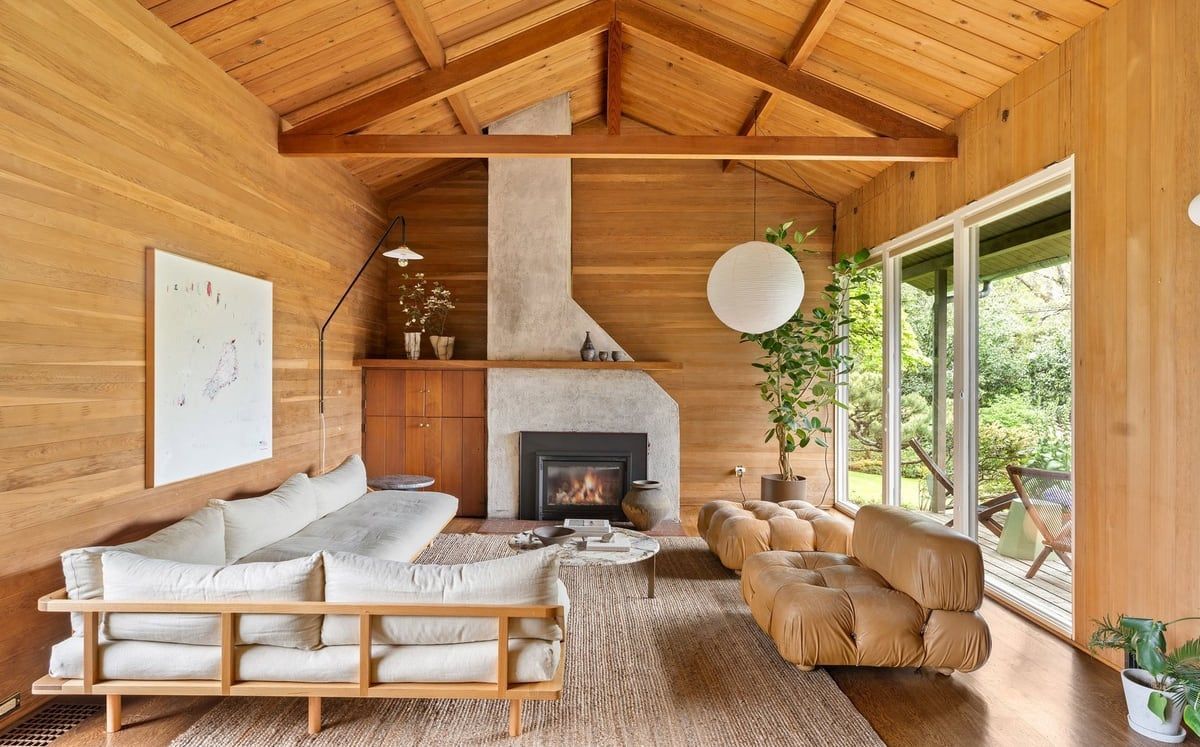
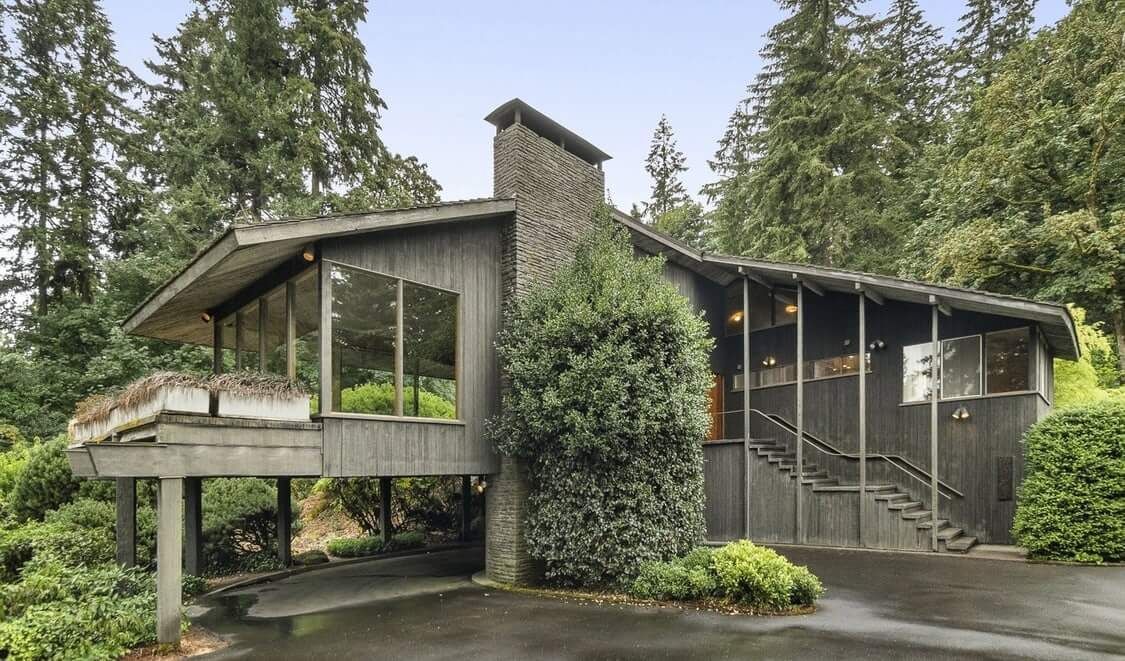
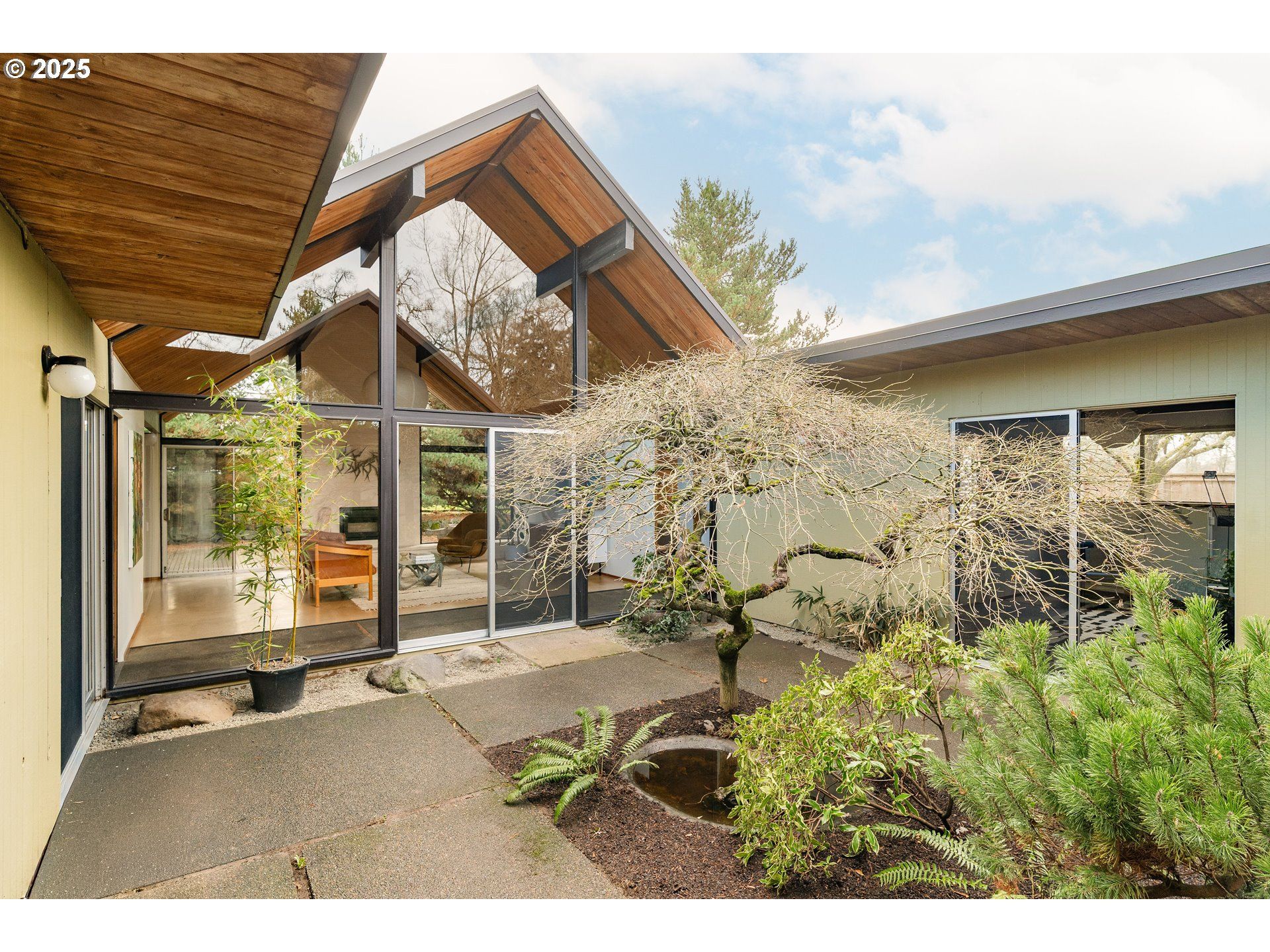
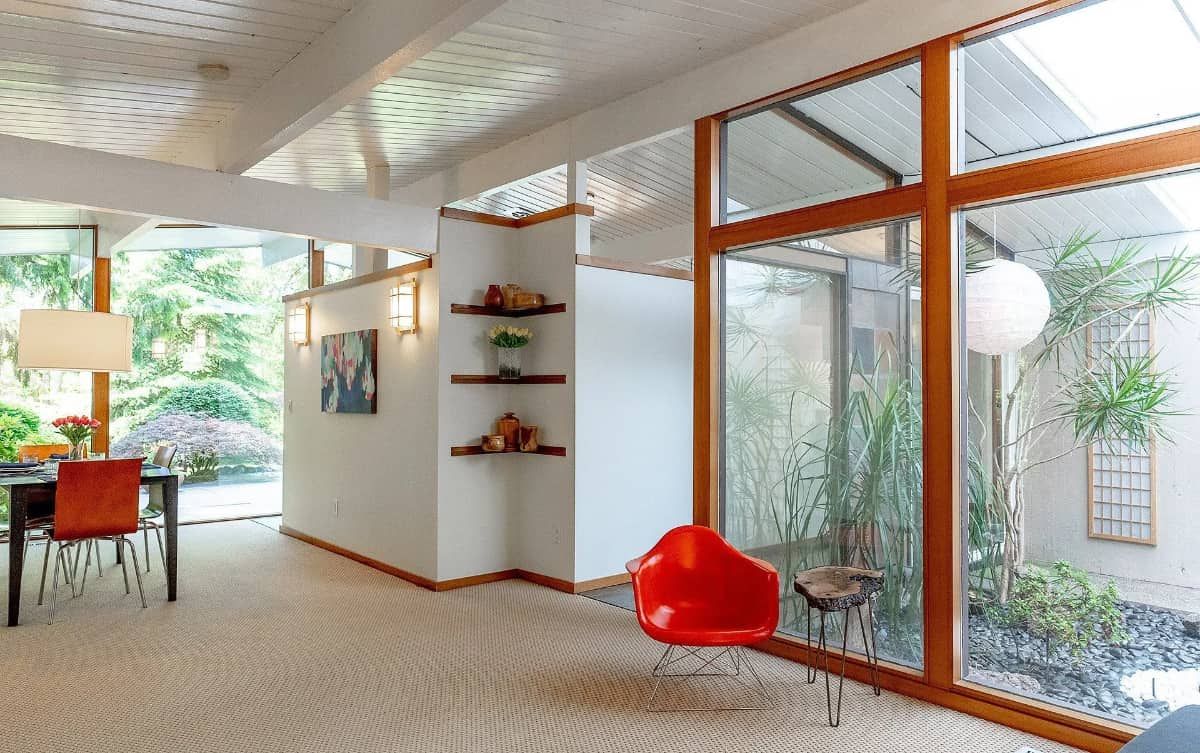
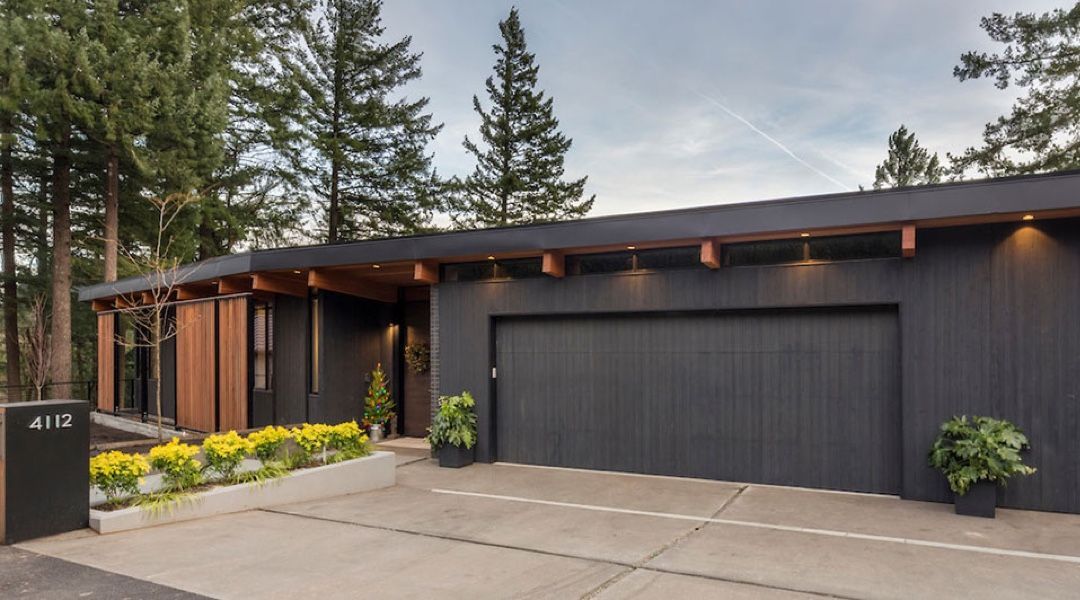
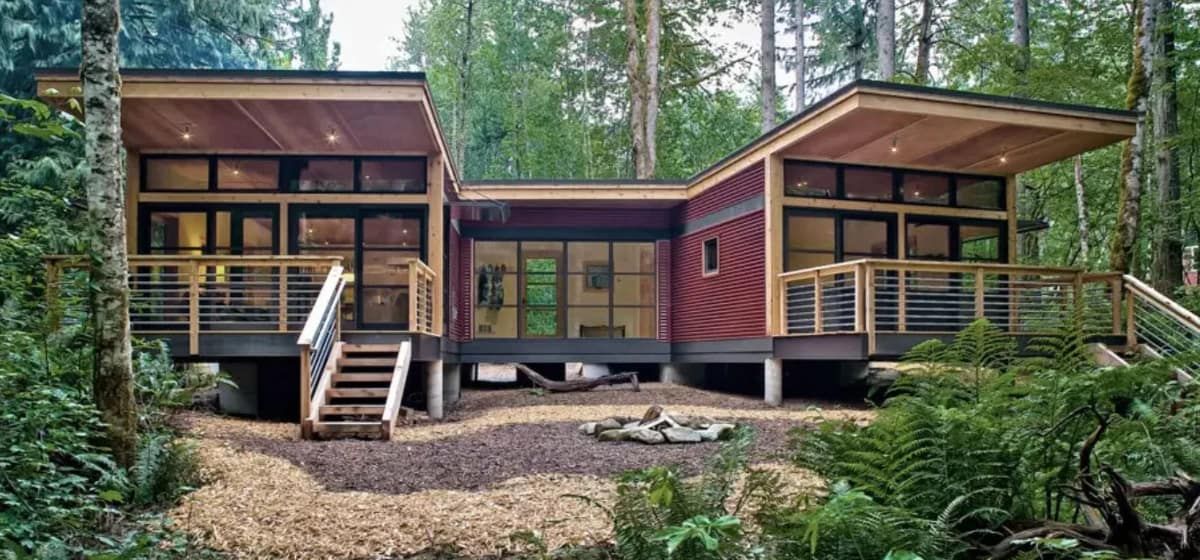
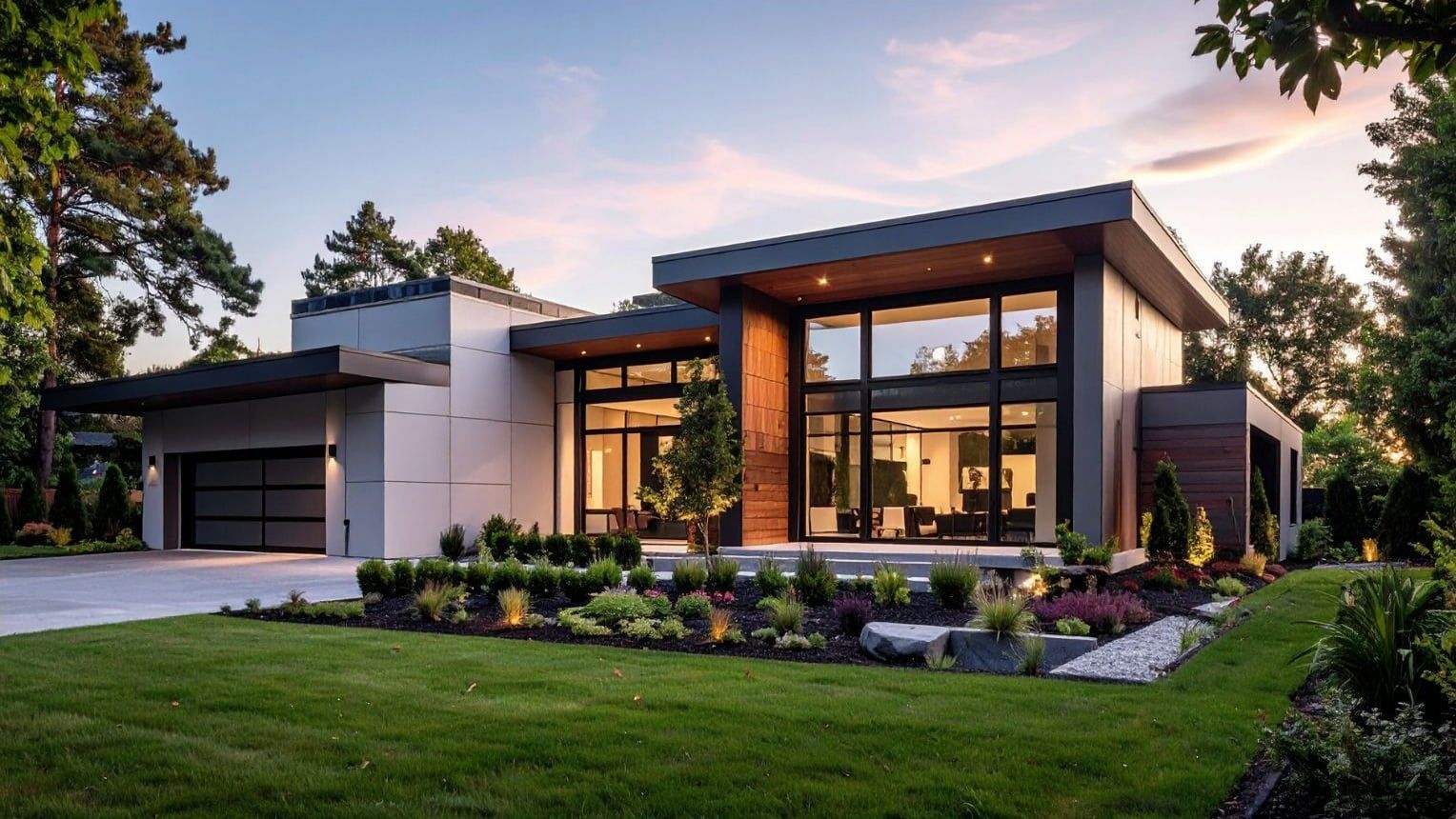
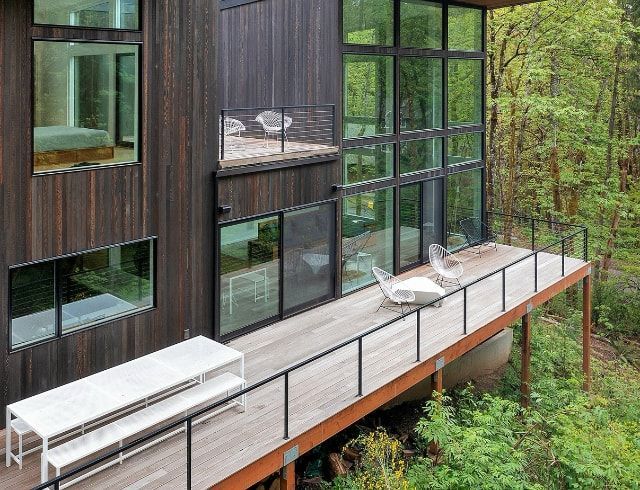
The roots trace back to the same mid-century architects who shaped Portland's modern movement, but Northwest Contemporary has evolved into something distinctly its own. These homes typically feature extensive use of natural materials - particularly wood, often cedar that weathers beautifully in the damp climate. Large overhangs protect from rain while creating transitional spaces between indoors and out. Generous windows capture the filtered light that defines Northwest days, while strategic placement frames views of the surrounding landscape.
What sets Northwest Contemporary apart is its relationship with the environment. These aren't homes that impose themselves on the land and dominate the horizon. They nestle into hillsides, wrap around existing trees, and use the topography to their advantage. The architecture acknowledges that Pacific Northwest living means coexisting with weather, so designs incorporate covered outdoor spaces, thoughtful drainage solutions and materials that actually improve with age and exposure to the elements.
In Portland, you'll find Northwest Contemporary homes throughout the West Hills and other wooded areas where the style can fully embrace its forested context. Modern interpretations continue to push the envelope with sustainable building practices, living roofs and innovative approaches to natural light and they do it all while maintaining that fundamental connection to place.
This is architecture designed specifically for people who want to live surrounded by Northwest nature without sacrificing modern comfort and design. It's a style that could only have emerged here, shaped by Douglas firs, steady rain and a culture that values environmental stewardship as much as good design. It's just another reason why we love modern living in Portland.