Post-and-Beam Construction
By Brian Enright
The Engineering Innovation That Liberated Modern Architecture
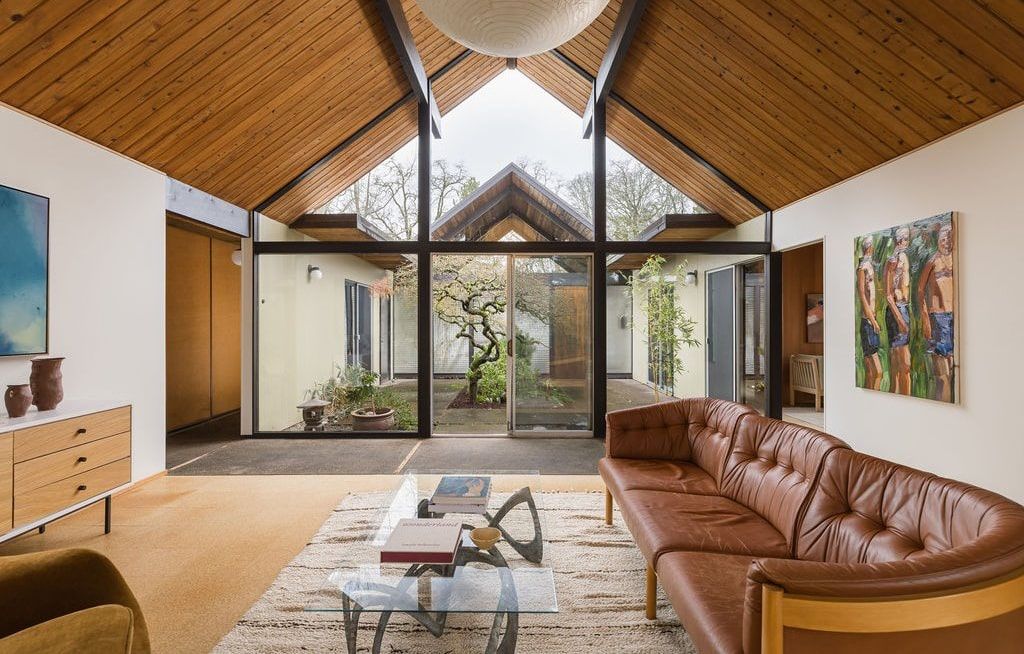
Walk into almost any mid-century modern home in Portland and look up. Chances are you'll see big, horizontal beams stretching across the ceiling supported by vertical posts, creating a rhythmic pattern that defines the space. This isn't just decoration. It's post-and-beam construction, and it's the structural innovation that made mid-century modern architecture possible.
Without post-and-beam construction, we wouldn't have those iconic walls of glass, those open floor plans that flow from living room to kitchen to outdoor deck, or those dramatic cantilevers that make houses appear to float over hillsides. Understanding how this ancient building technique got reimagined for the modern era helps explain why mid-century homes look and feel the way they do. Let's dive in.
The Basic Concept
Like all good architecture, post-and-beam construction is elegantly simple. The vertical posts (or columns) support horizontal beams, which in turn support the roof. The weight of the structure flows through these primary structural members rather than being distributed through load-bearing walls. This fundamental difference changes everything about how you can design a building.
In traditional stick-frame construction the walls do the heavy lifting. This is the kind of traditional construction used in most houses built before and after the mid-century modern era. Studs running through exterior and certain interior walls support the roof and floors above. This means you can't just go around removing walls or cutting big holes for windows because those walls are holding up the house.
Post-and-beam flips this logic. Since the posts and beams are carrying the structural load, the walls between them become rather optional. They're not actually holding anything up. Instead they're just dividing space inside or keeping weather out. This simple shift opened up revolutionary possibilities for architects.
Ancient Technique for a Modern Application
Post-and-beam construction was nothing new when modern architects embraced it in the early 20th century. It's been used for millennia around the world and here by Native Americans. What made it revolutionary in mid-century modern architecture was applying this old technique with new materials and new design intentions.
Local Portland architects like John Yeon, Pietro Belluschi, and Saul Zaik, like their contemporaries around the country, saw post-and-beam as a way to achieve several goals simultaneously. They could create open, flowing spaces. They could bring the outdoors inside through generous glazing. And they could use local materials like Douglas fir in ways that honored both modernist principles and regional building traditions.
Here's what Post-and-Beam Made Possible
Walls of Glass
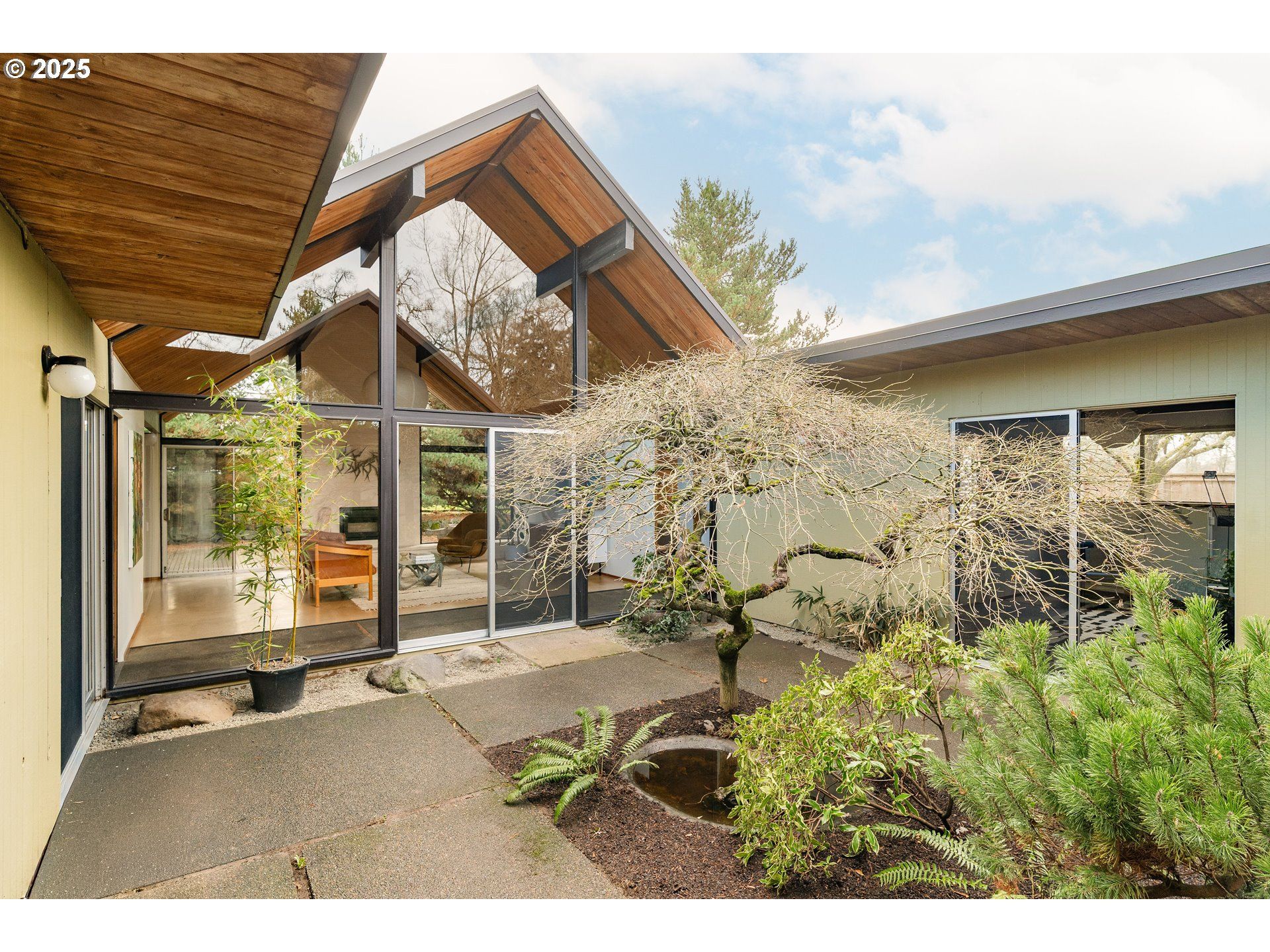
This is the most obvious benefit. Since walls aren't structural, you can replace them entirely with glass. Want floor-to-ceiling windows across an entire side of your house? No problem - the posts are holding up the roof, so the space between them can be pure transparency. This is how mid-century architects achieved that signature move of dissolving the boundary between indoor and outdoor space.
Open Floor Plans
With posts carrying the load, interior walls become suggestions rather than necessities. The classic mid-century open-plan living area - where kitchen, dining, and living spaces flow together - is only possible because those spaces don't need walls between them for structural support. You might have a post or two defining different zones, but the space can remain visually connected.
Dramatic Cantilevers
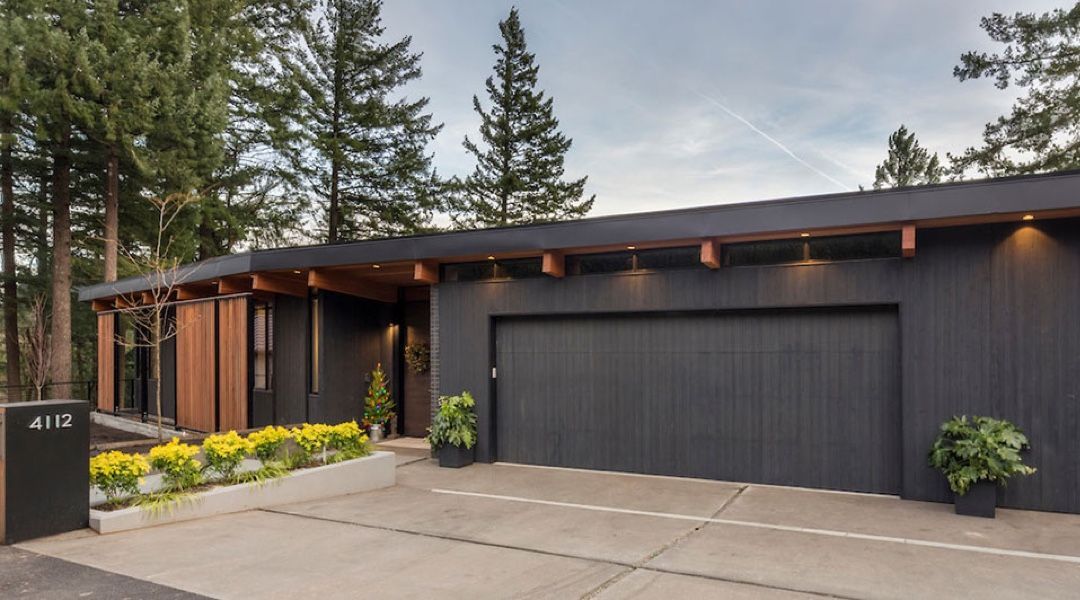
Some of the most striking mid-century homes feature sections that appear to hang in space, cantilevered out over hillsides or projecting beyond the foundation. Post-and-beam construction made these dramatic gestures structurally feasible. The beams can extend beyond their supporting posts, creating overhangs that shelter outdoor spaces or simply create dynamic forms.
Flexible Interiors
Since interior walls aren't structural, homeowners can reconfigure spaces relatively easily. Want to combine two bedrooms into one? Remove that wall - it's not holding anything up. This flexibility appealed to mid-century architects who believed homes should adapt to how people actually live.
Materials Do Matter - Especially Here!
In the Pacific Northwest, post-and-beam construction found ideal material in old-growth Douglas fir. These trees could yield massive beams with minimal processing, which was the kind of large-dimension timbers needed to span significant distances. How lucky for us! The grain patterns and warm tones of the wood also aligned perfectly with the Northwest modern aesthetic that valued natural materials.
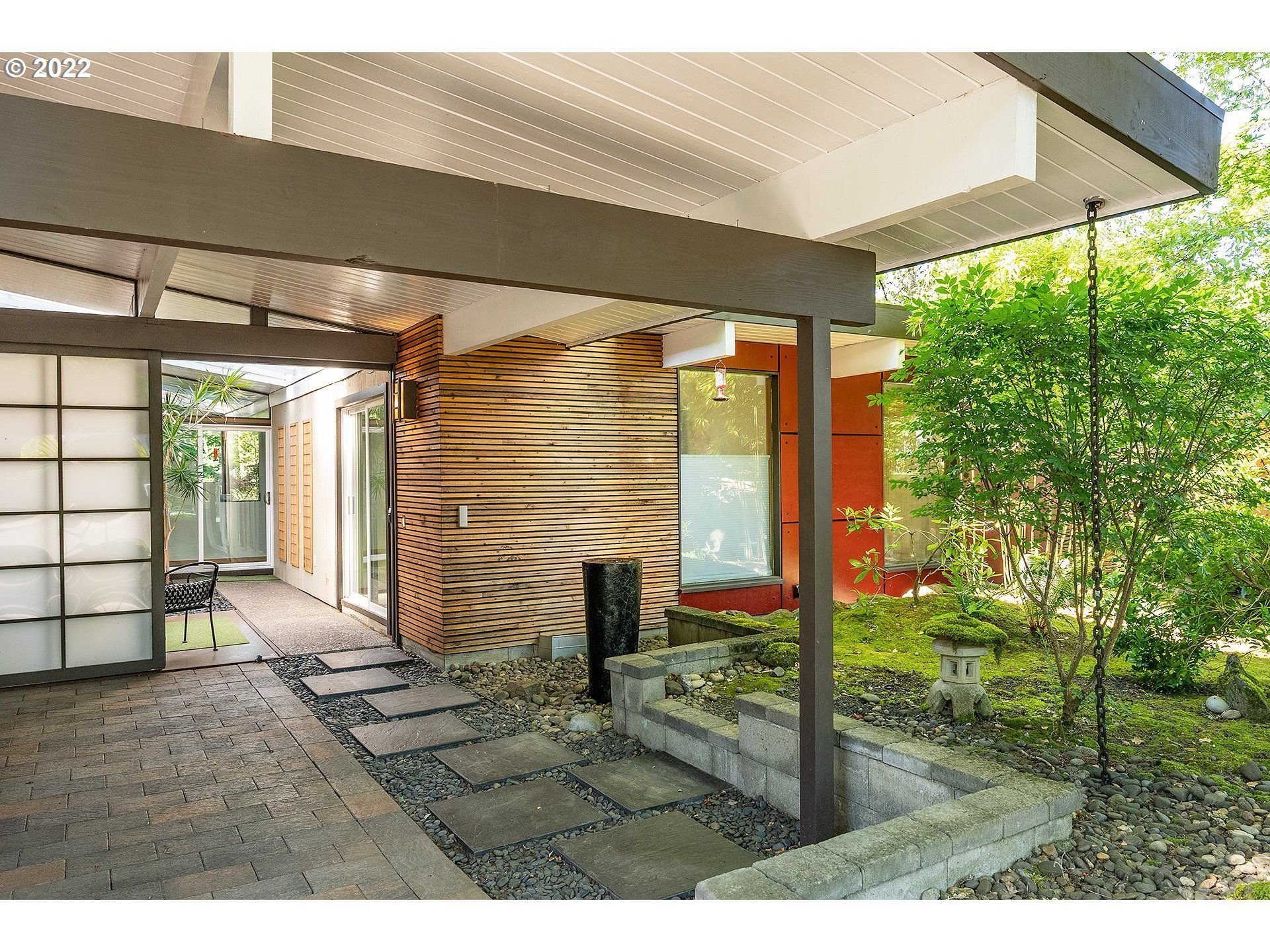
Architects like Saul Zaik and William Fletcher used these Douglas fir beams both structurally and aesthetically. Left exposed, often with their natural finish or stained in earth tones like Rodda Paint's Oxford Brown (a Rummer home staple), the beams became prominent visual elements that organized the interior space while providing the structural framework.
The spacing of posts and beams also created a natural rhythm and proportion. A. Quincy Jones, who influenced Robert Rummer's work, advocated for a six-foot-four-inch grid of posts. This dimension worked well for standard building materials and created pleasing proportions in residential spaces. The regular spacing of vertical posts marching across a facade or through an interior became a signature of Northwest modern design.
Post-and-Beam Limitations
Post-and-beam construction isn't perfect for every situation. Those posts, while small compared to full walls, still take up space and define traffic patterns in the house. You can't have completely open living spaces as the posts have to land somewhere. Architects had to carefully consider post placement so they wouldn't awkwardly interrupt living spaces or block important views. You can also forget about storing things in the attic as post-and-beam homes typically have no drop ceilings or attic space.
The system also requires quality materials and skilled construction. Those large beams need to be properly sized to span the distances required, and the connections between posts and beams need to be engineered correctly. In the mid-century era, this wasn't always cheap, which is one reason post-and-beam modern homes could sometimes be more expensive than conventional stick-frame construction. That makes the achievements of designers like
Eichler and Rummer even more impressive as they brought this modern construction to the masses in tract homes that middle class families could afford.
Why It's Still Relevant
Post-and-beam construction remains popular in contemporary architecture, particularly here in the Pacific Northwest where it feels like part of the landscape and regional style. Modern engineers can now achieve similar effects with steel or engineered lumber, but many architects still choose heavy timber post-and-beam for its aesthetic qualities and connection to mid-century modern precedents.
When you visit a mid-century modern home and admire those sweeping views through glass walls, or appreciate how seamlessly interior and exterior spaces connect, you're seeing something that's only made possible by post-and-beam construction. It's the structural logic that made mid-century modern architecture's most beloved qualities possible. Those qualities are still in demand today and are a refreshing alternative to the cheap McMansions that seem to be everywhere these days.
Recent Posts