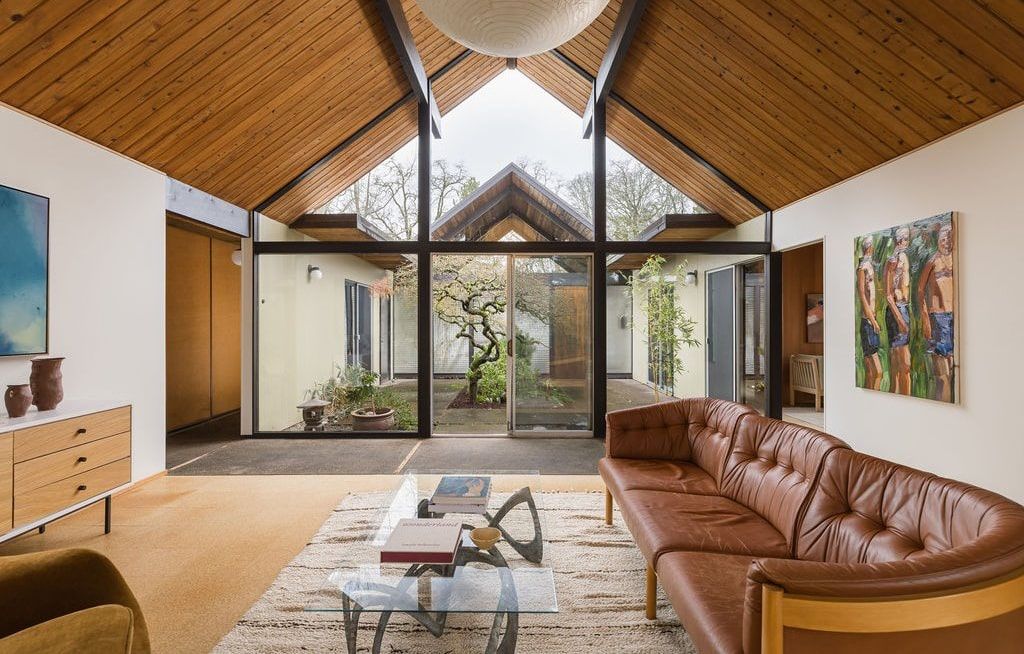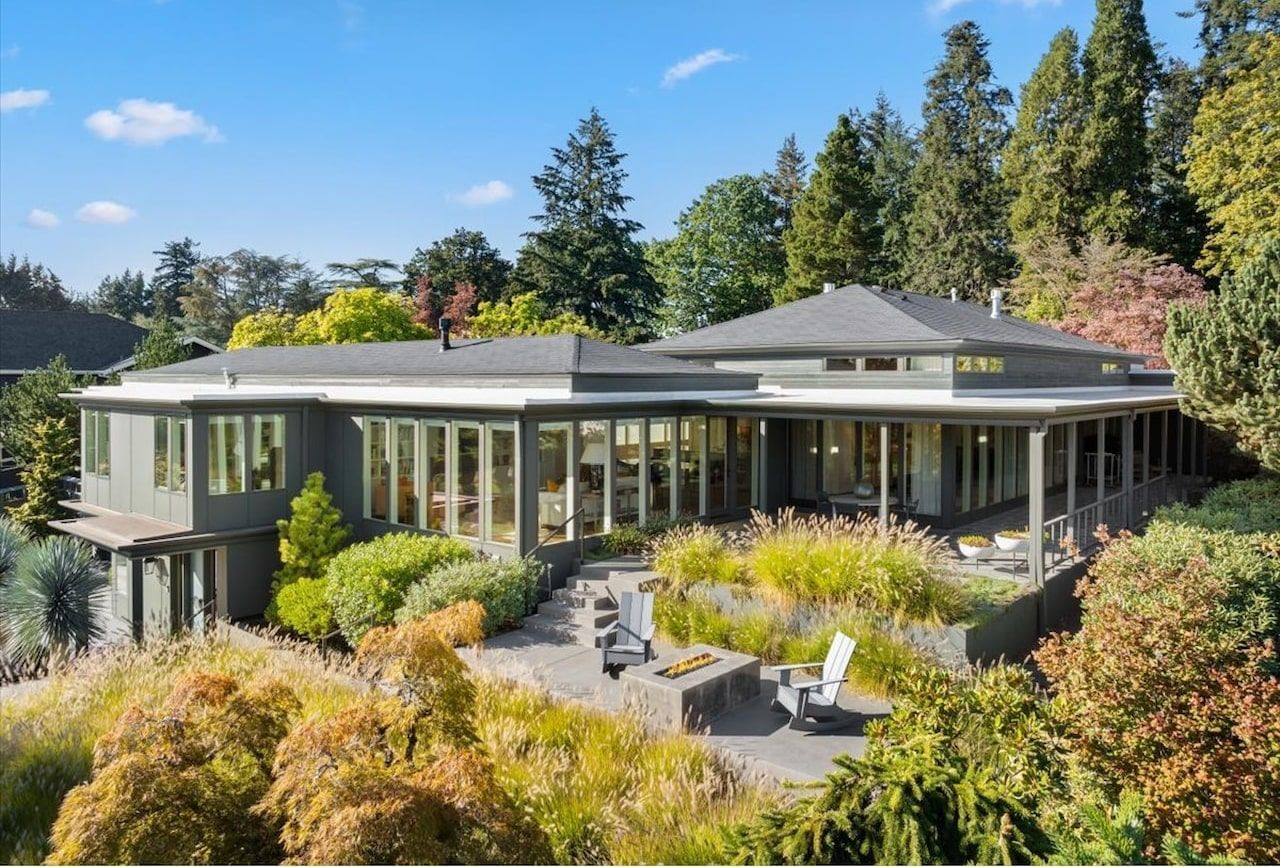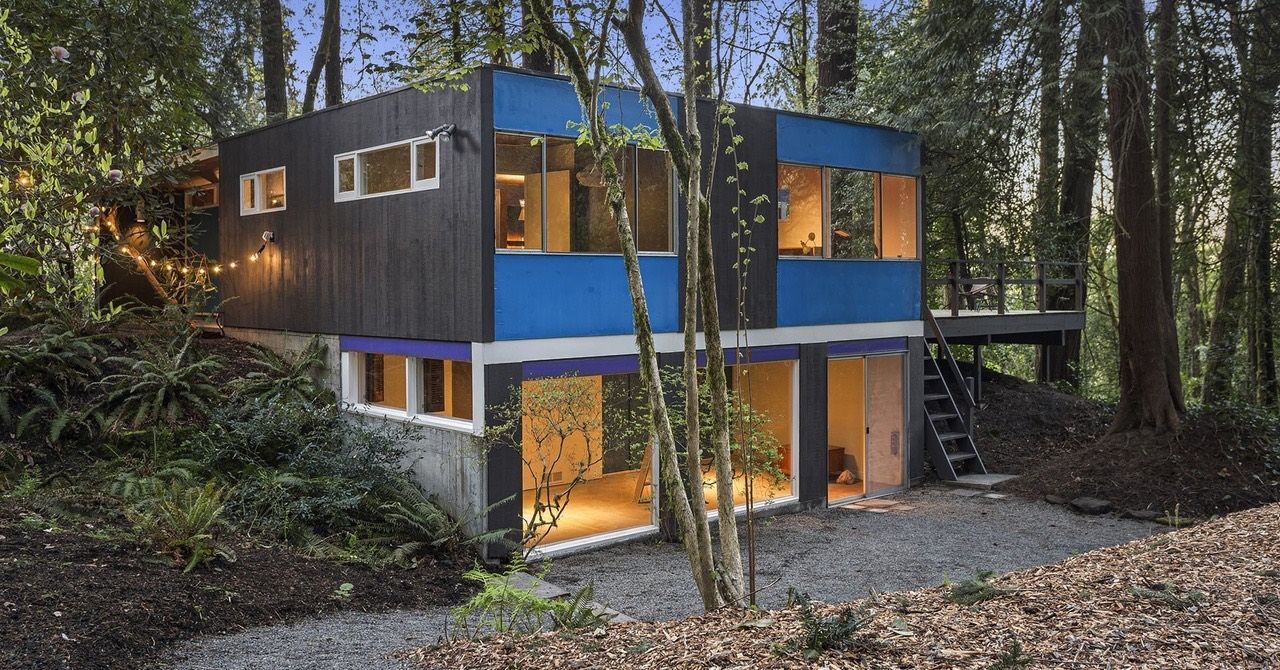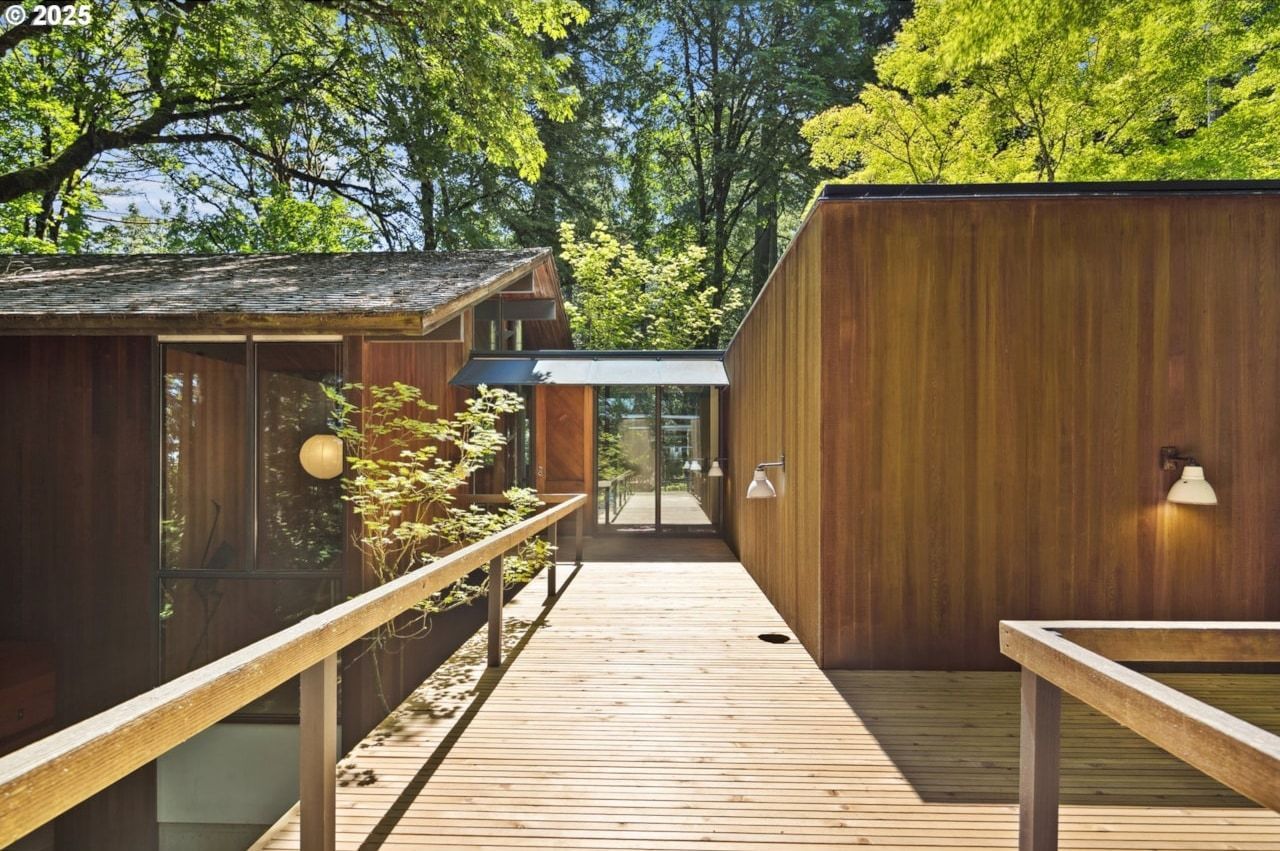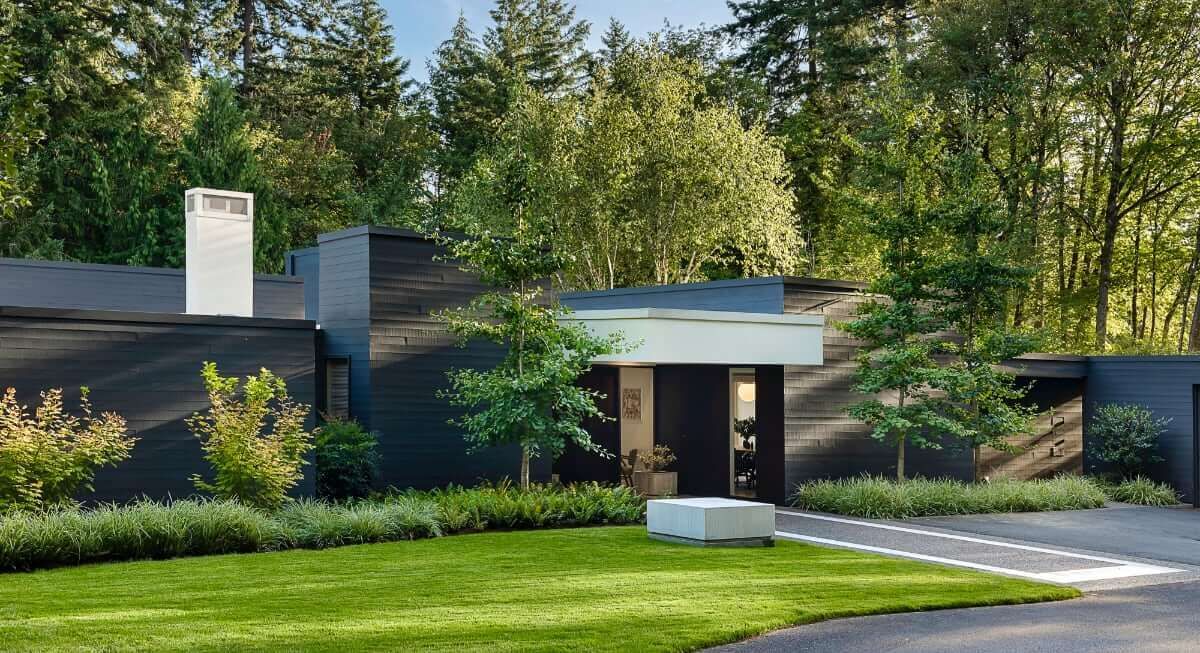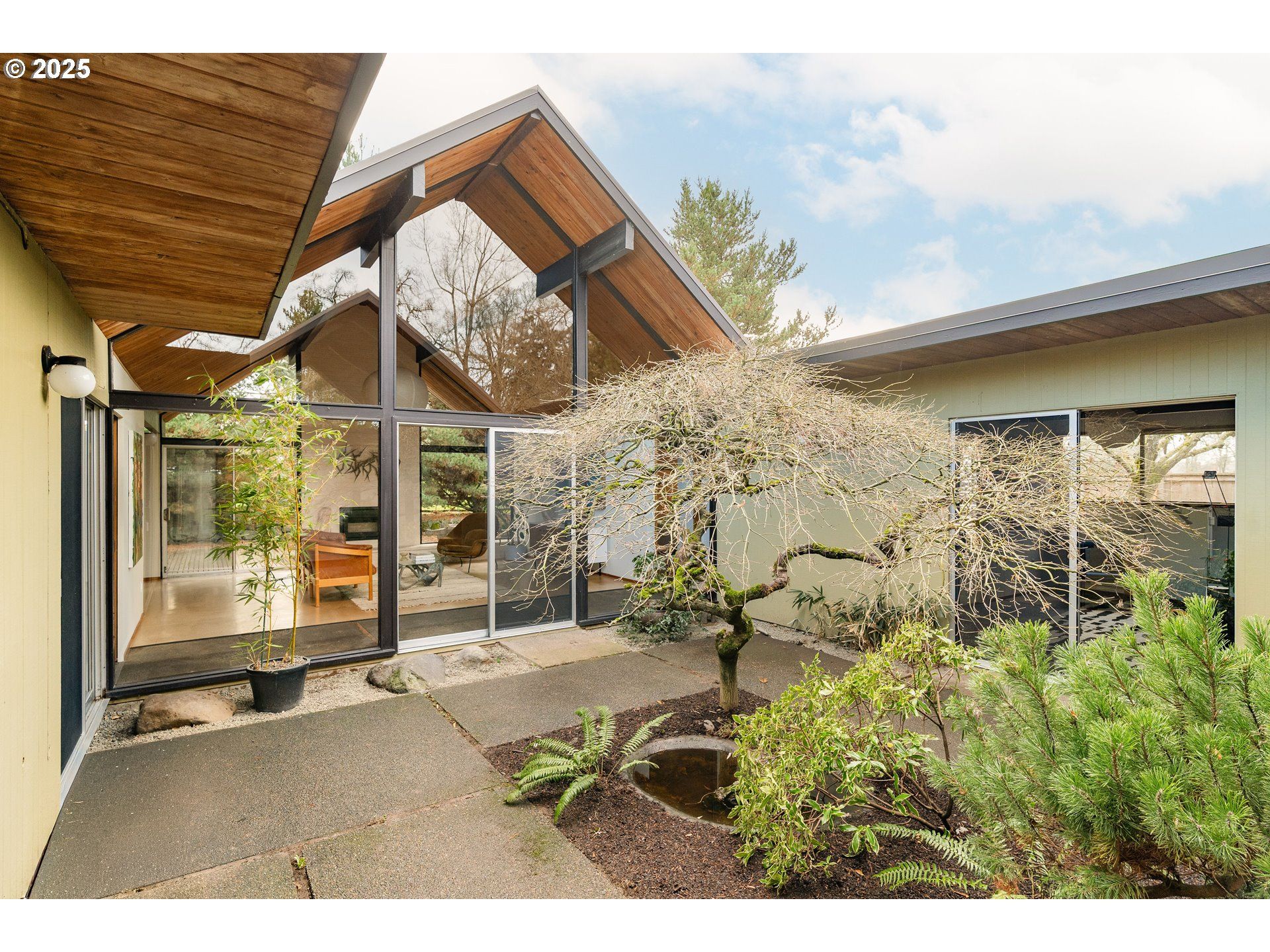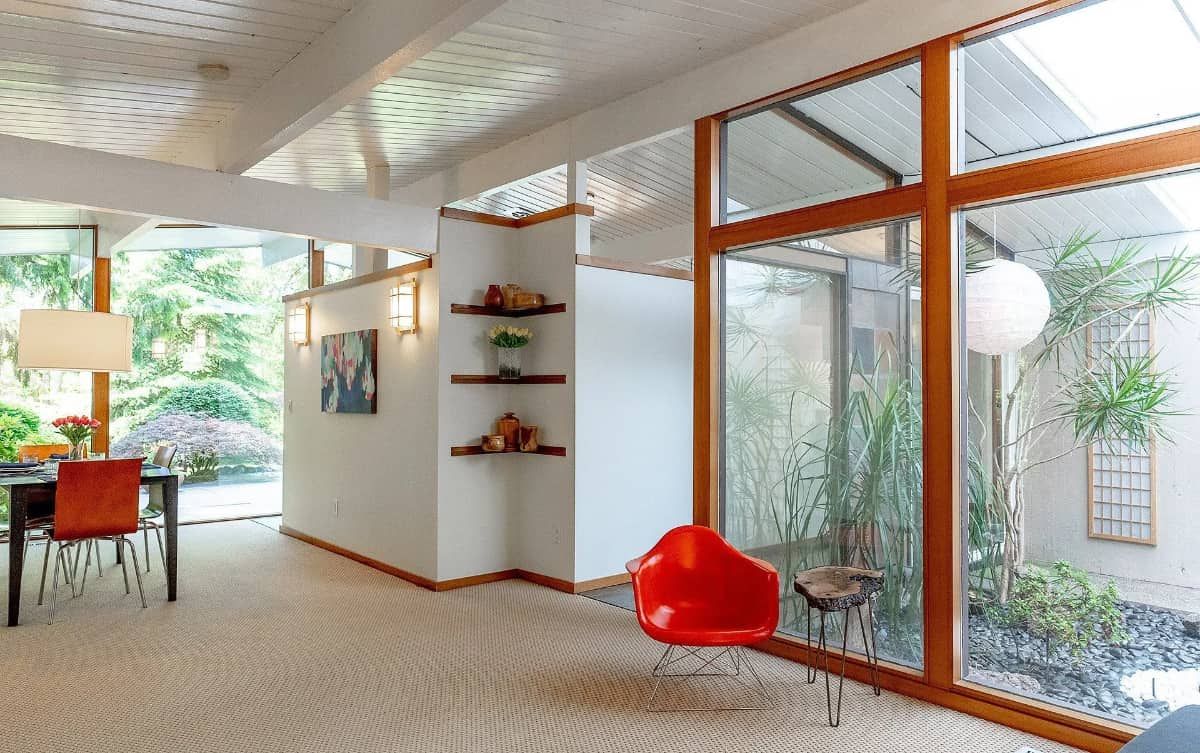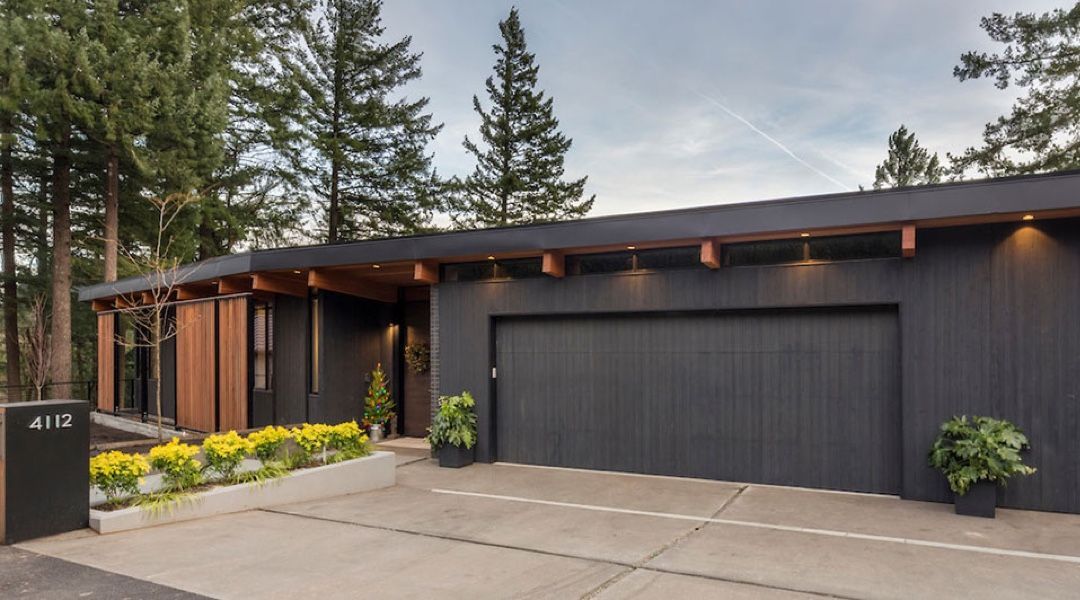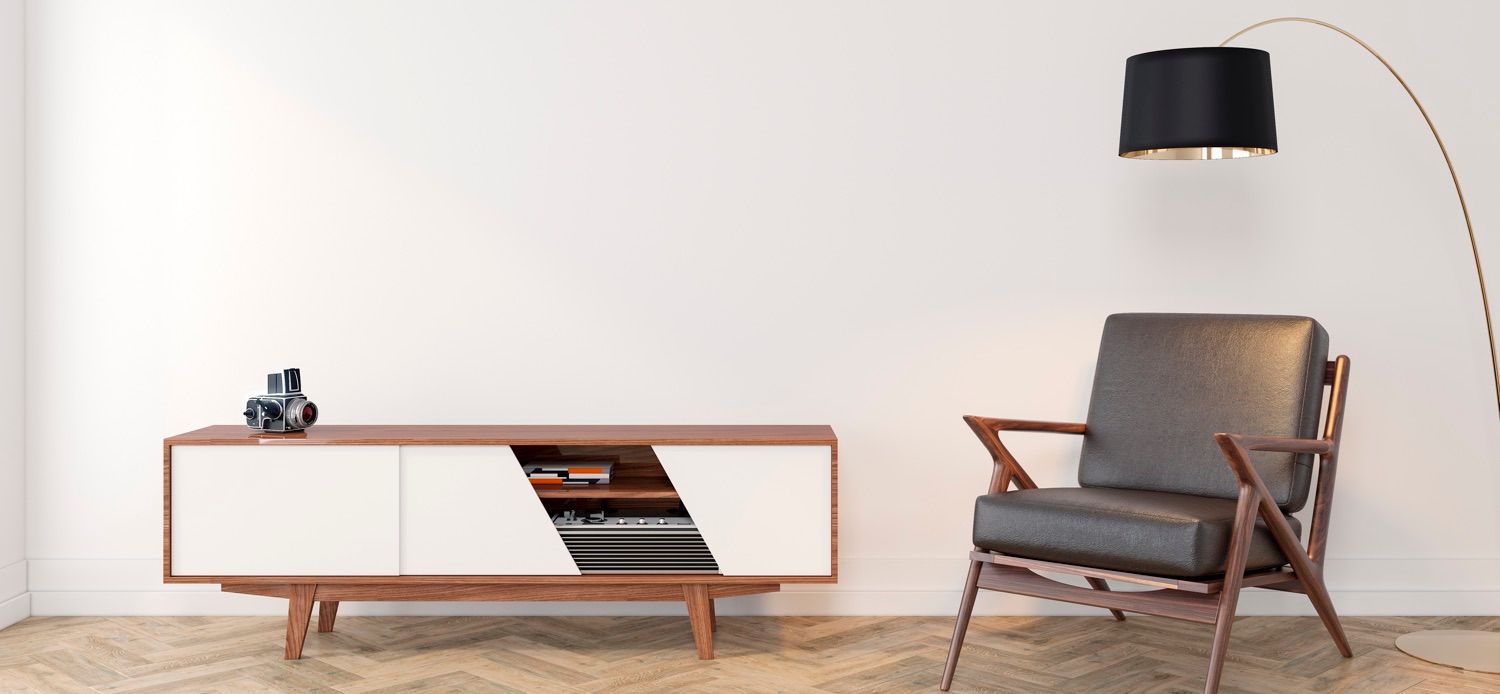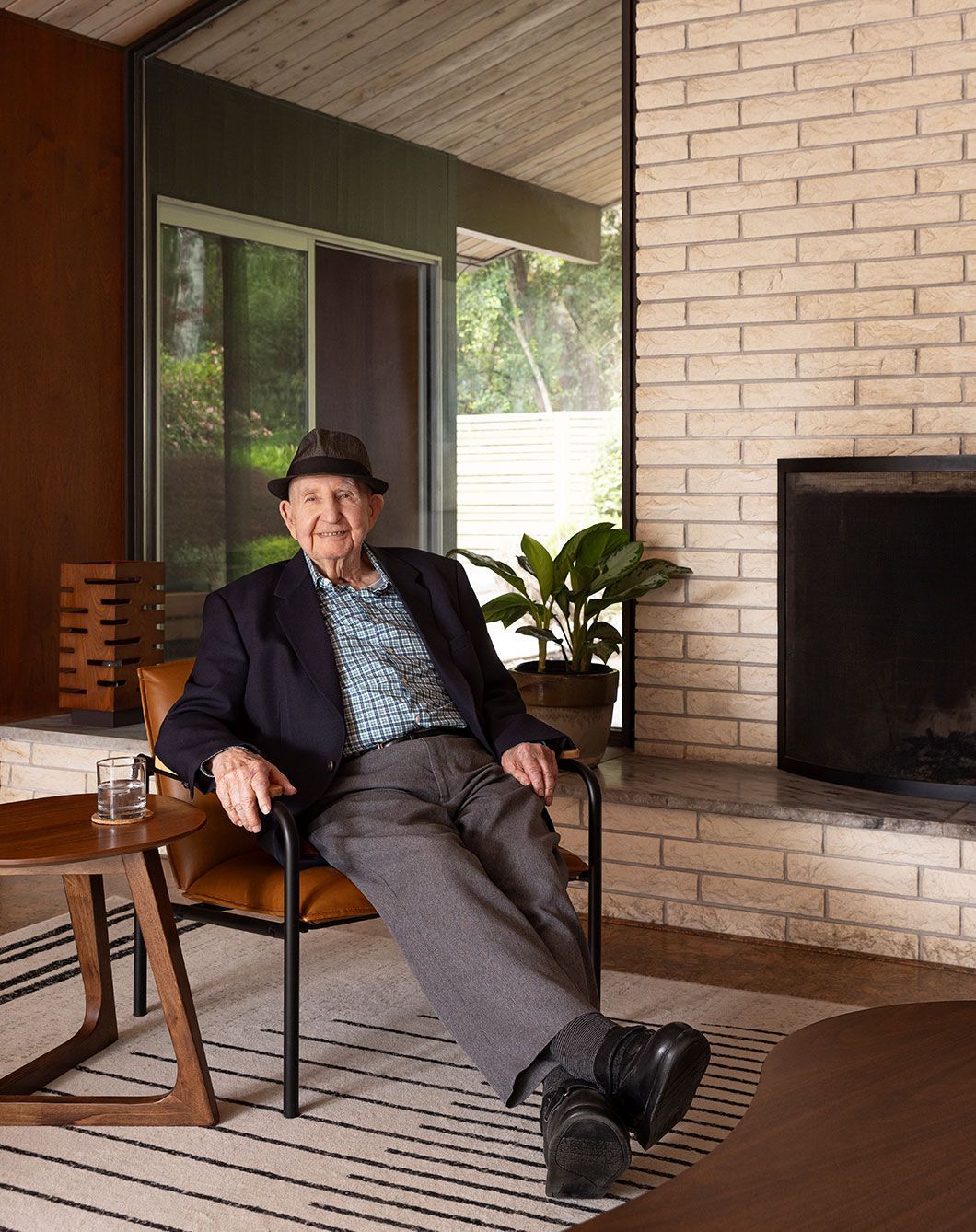
In the decades following World War II, a wave of innovative architects reimagined how Portlanders would live. They changed everything and brought clean lines, open floor plans, and an unprecedented connection between indoor and outdoor spaces to neighborhoods across the city. The contrast of pre-war construction and mid-century modern was as stark and exciting as the homes themselves.
The movement found its footing in Portland through the vision of architects like John Yeon, whose early modern designs in the West Hills set a new standard for Pacific Northwest architecture. Pietro Belluschi, serving as dean of MIT's School of Architecture while maintaining deep ties to Portland, influenced a generation of local designers with his philosophy of honest materials and regional sensitivity. Saul Zaik and Van Evera Bailey followed, creating homes that embraced Oregon's beautiful natural landscape while introducing the horizontal lines, post-and-beam construction, and floor-to-ceiling windows that would define the era.
Neighborhoods like Eastmoreland, the West Hills, and Dunthorpe became laboratories for this new way of living. The iconic mid-century homes that were built among the trees are some of the most desirable homes in the city to this day. The movement wasn’t just about building statement homes. Architects like Robert Rummer created mid-century tract housing that brought modern design principles to middle-class families. These neighborhoods, with their tree-lined streets and generous lots, provided the perfect canvas for homes that blurred the boundary between shelter and nature.
Today, Portland's mid-century modern homes remain as relevant as ever. Their emphasis on simplicity, natural light, and indoor-outdoor living aligns perfectly with contemporary values, while their quality construction and timeless design have allowed them to age gracefully. Whether you're drawn to a custom John Yeon masterpiece in the hills or a lovingly preserved Rummer tract home in Beaverton, Portland's mid-century modern architecture offers a distinctive way of life that continues to captivate new generations of homeowners. And if you can’t find one that suits you, Rummer Development is still around and continues the tradition.