
The Fletcher House: An Architect's First Masterpiece in the Riverdale Woods
10803 S Riverside Dr, Portland
Many architects spend their entire careers chasing the kind of clarity and confidence that William Fletcher achieved with his very first residential design. Built in 1954 as his own family home, the Fletcher House stands as both a bold debut and a fully realized architectural statement - proof that Fletcher understood exactly what Pacific Northwest modernism could be from the very beginning.
3
Bedrooms
2
Bathrooms
1954
Year Built
William Fletcher
Developer
Mid-Century Modern
Style
Dunthorpe
Neighborhood
Credit for All Photos: RMLS & Portland Modern Real Estate
Recognition and Influence
The architectural community took immediate notice. Soon after completion, the Fletcher House was featured in The Oregonian and picked up by national publications. By 1959, it had earned a place in "The Second Treasury of Contemporary Houses," cementing its status as an important example of American residential modernism.
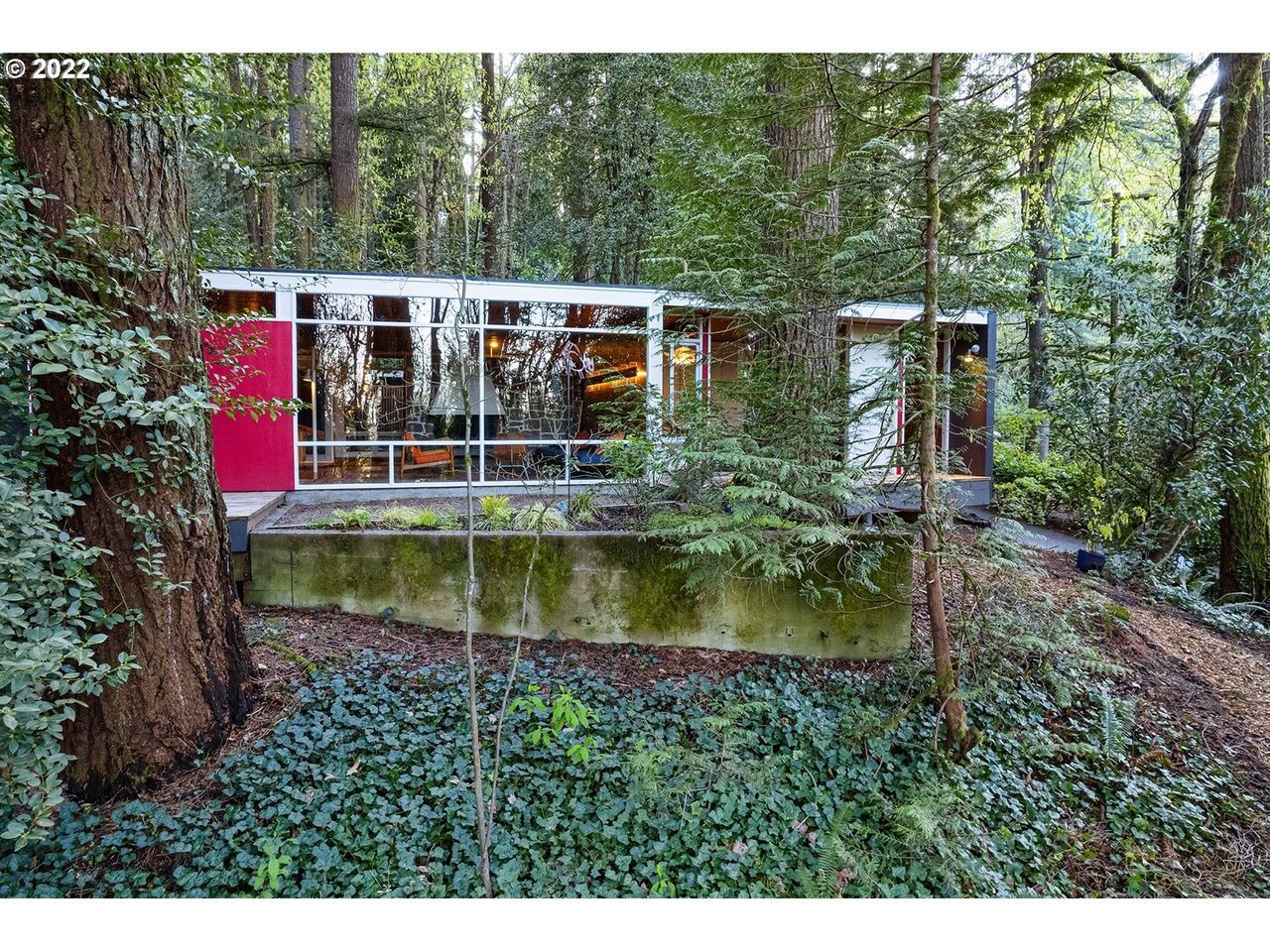
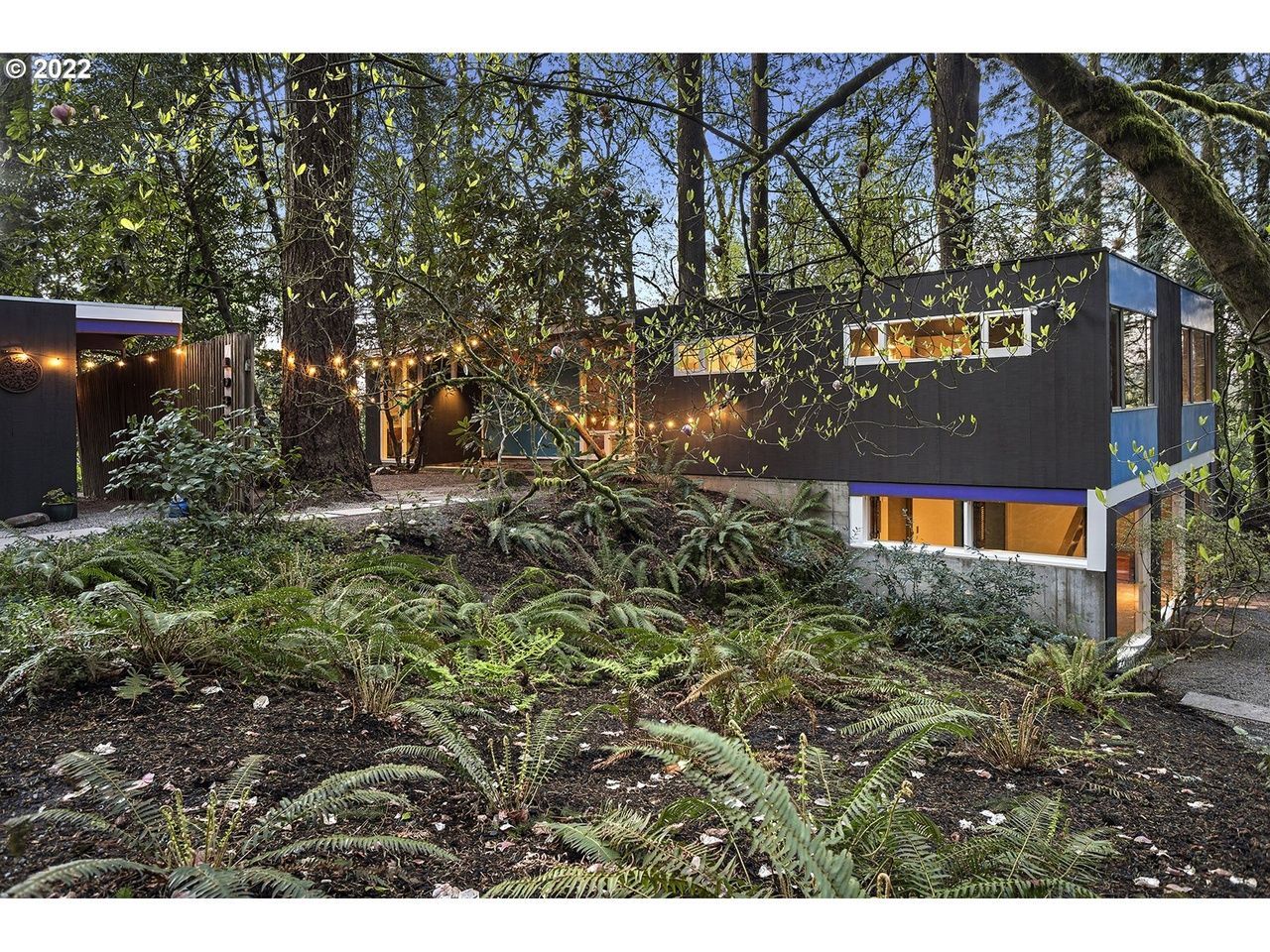
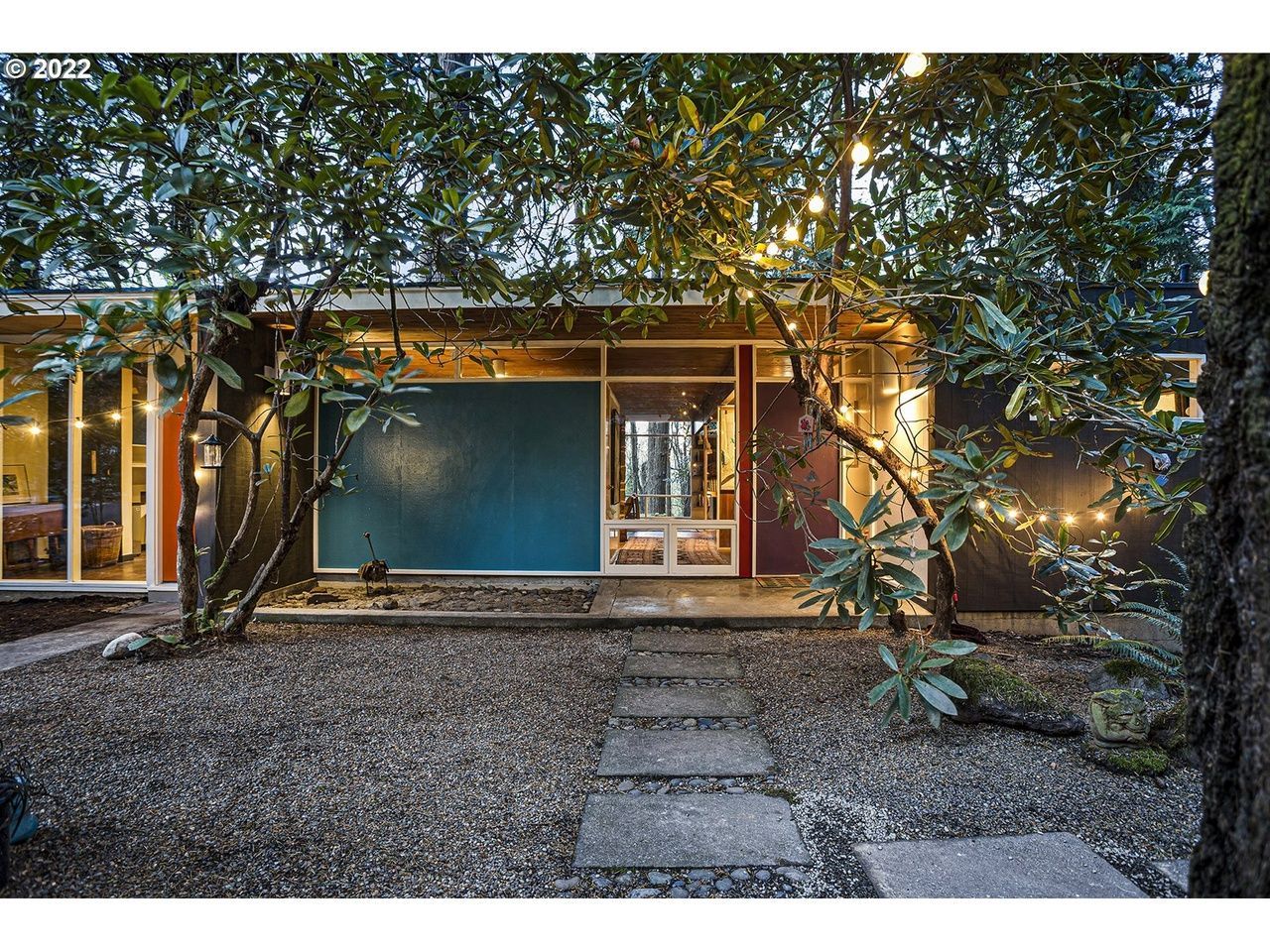
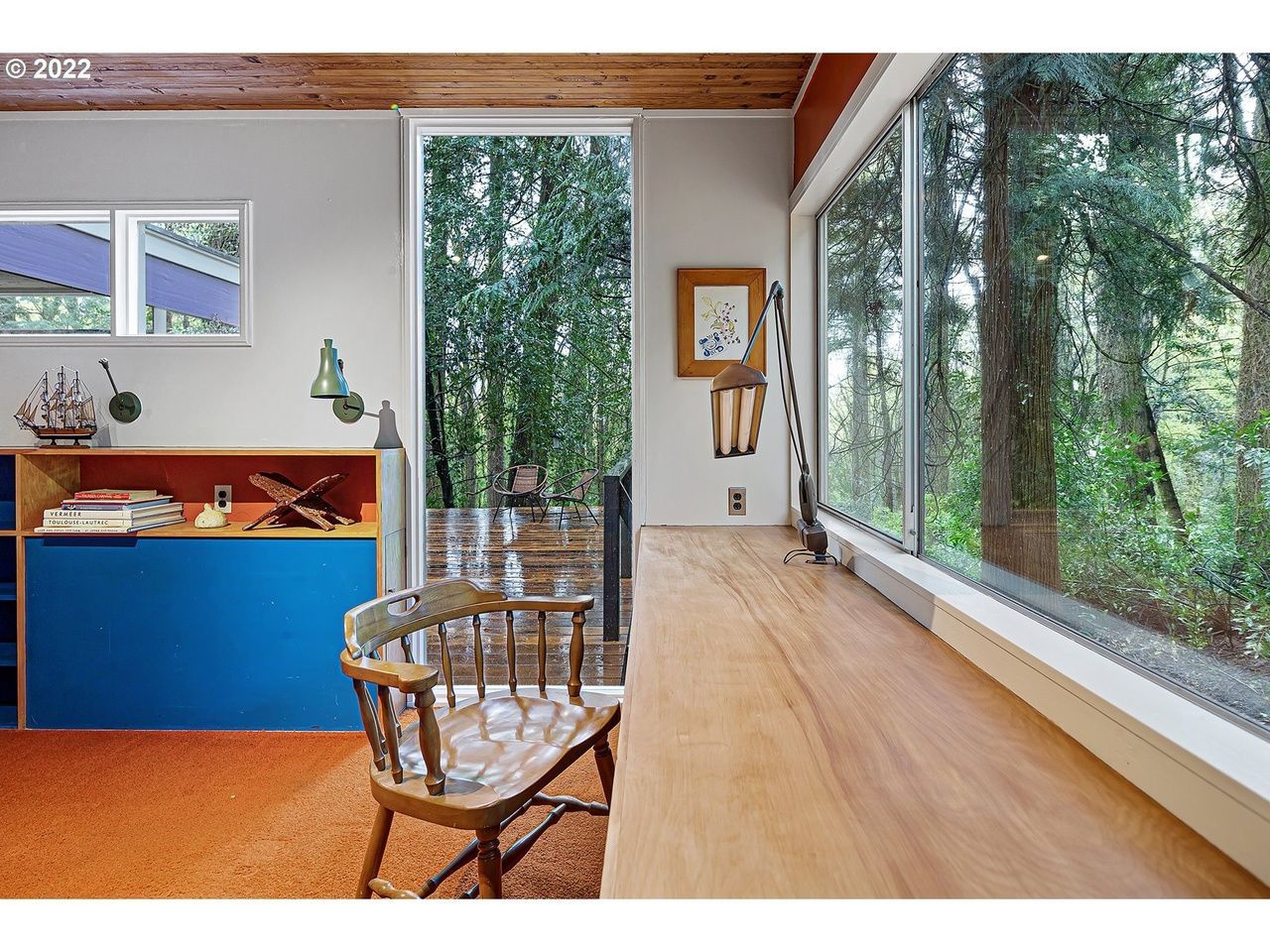
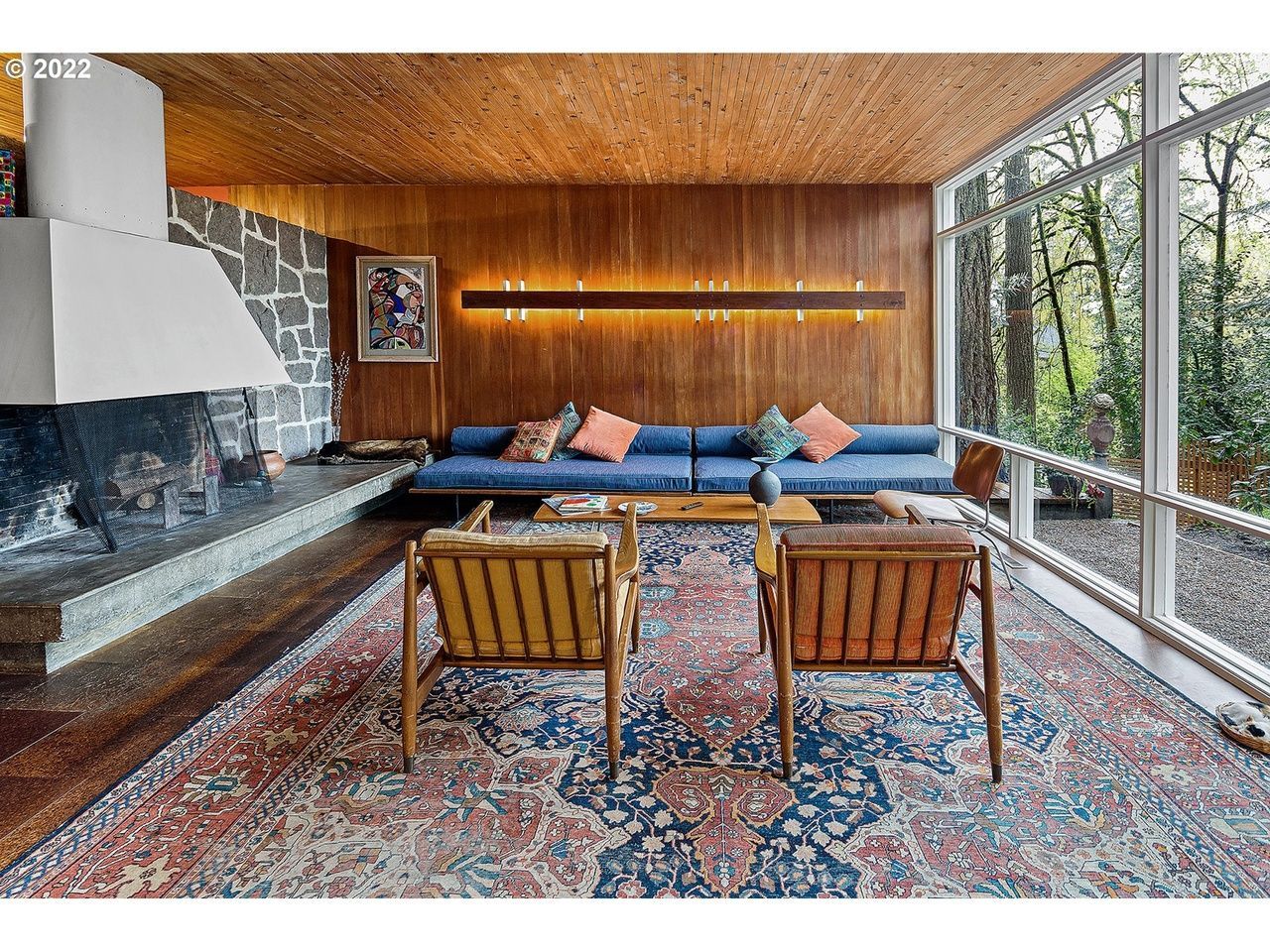
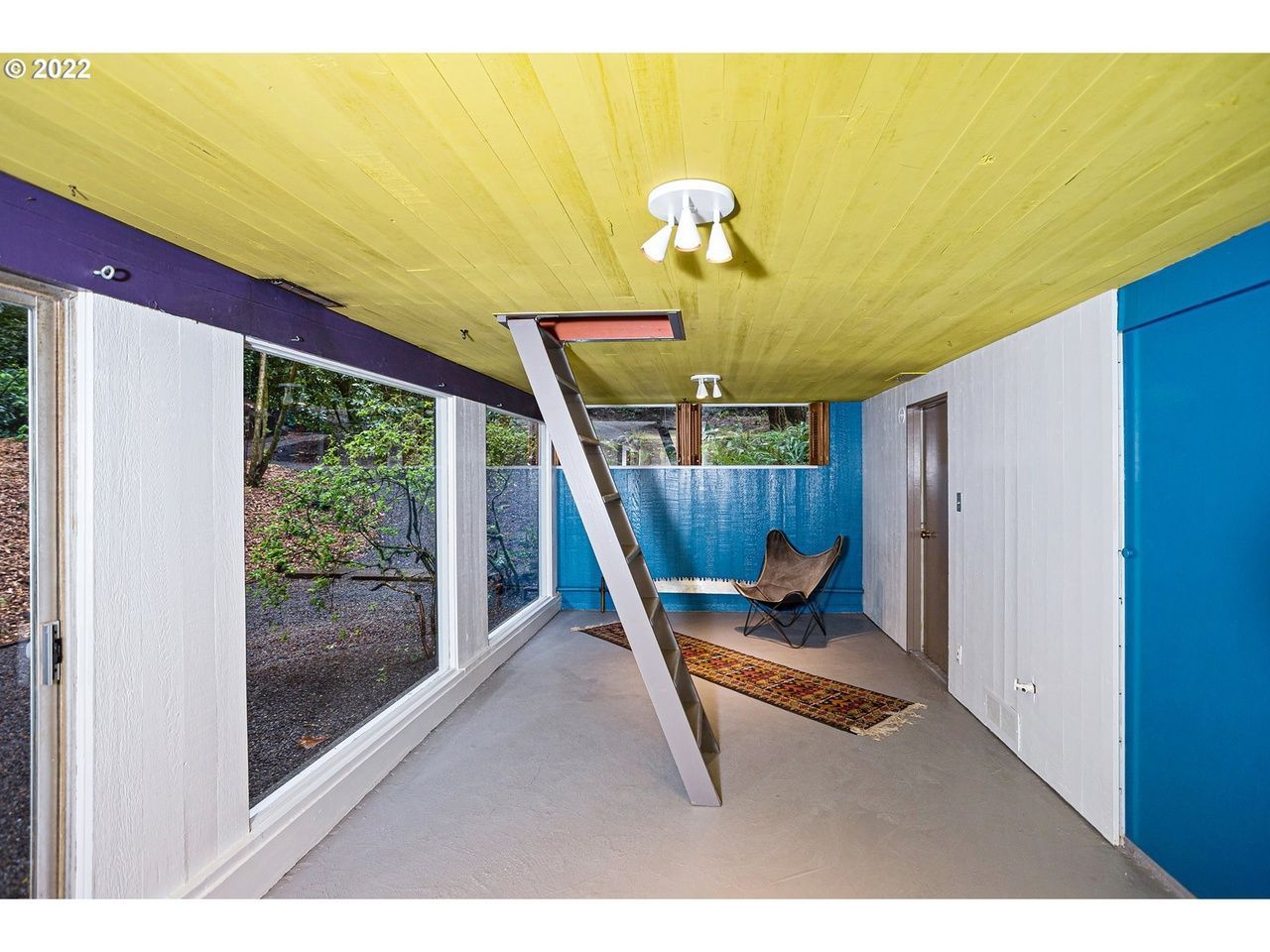
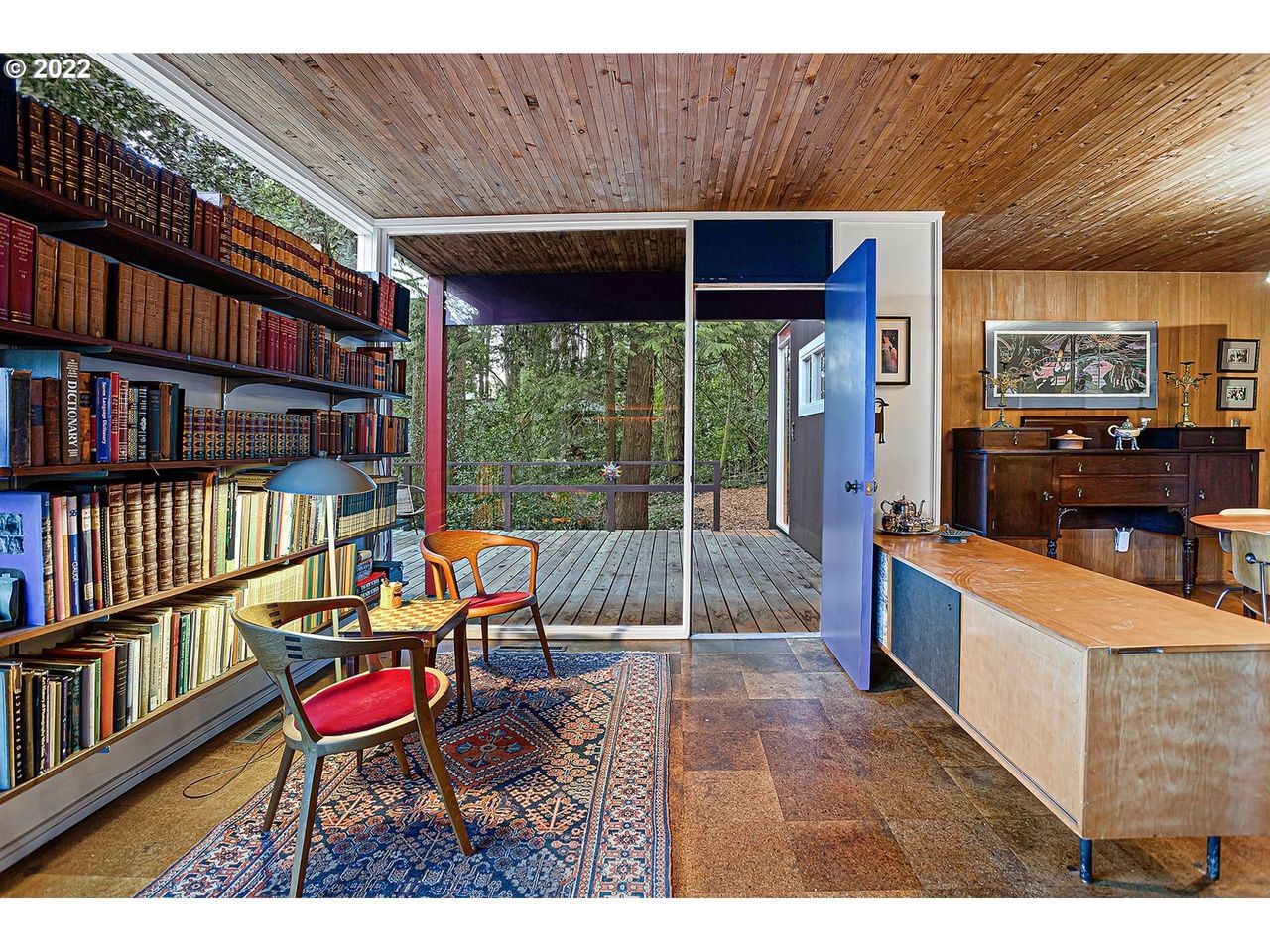
What makes the house remarkable isn't just its aesthetic achievement - it's how livable Fletcher made it. The carefully positioned windows and skylights don't just provide views and natural light; they create specific relationships between interior spaces and exterior landscape features. The geometric forms aren't abstract exercises but thoughtfully proportioned volumes that flow naturally from one to another. This is architecture that works as beautifully on a practical level as it does on a conceptual one.
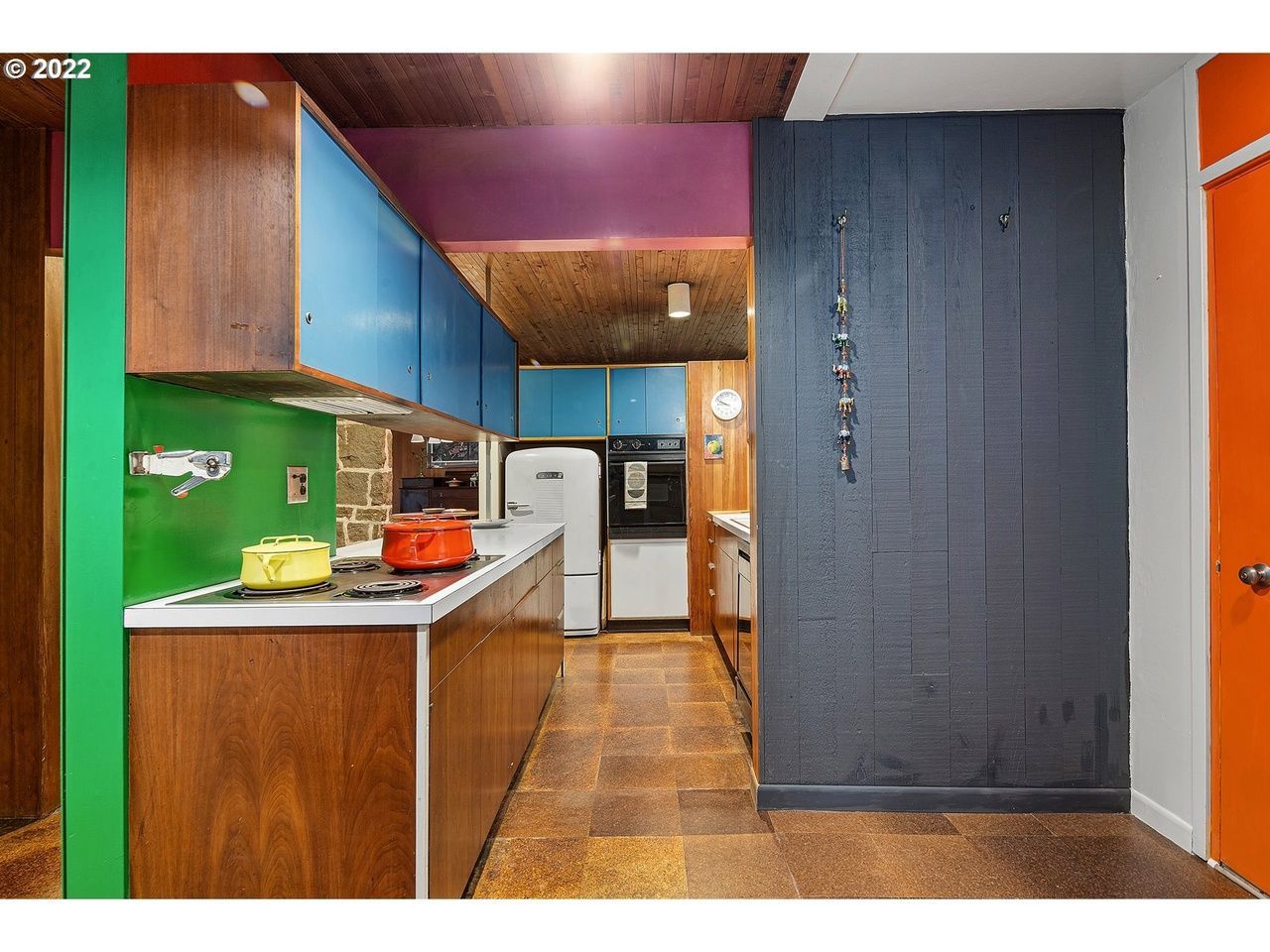
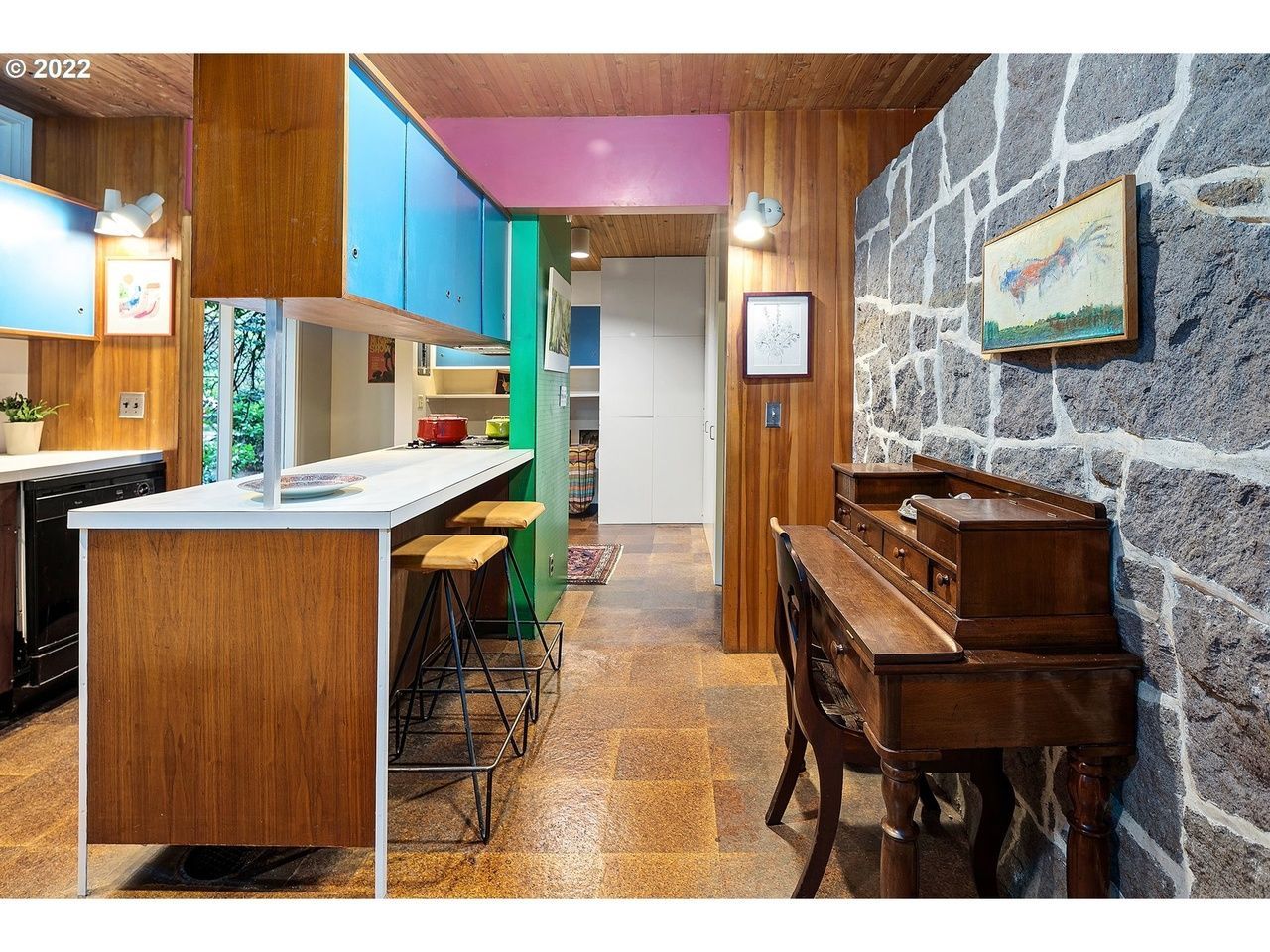
The three-bedroom, two-bathroom home demonstrates that Fletcher understood something essential: great modern architecture doesn't require clients to sacrifice comfort or functionality for design purity. You can have both the soaring spaces and the intimate moments, the dramatic gestures and the practical details.
A Limited but Lasting Legacy
Fletcher designed a limited number of houses over his career, making each one particularly significant to Northwest modernism scholars and enthusiasts. Architectural experts point to his work's enduring relevance, citing its graceful geometric forms, highly livable layouts, and masterful manipulation of natural light. The Fletcher House, as his first built work, contains all of these qualities in concentrated form.
After 68 years of Fletcher family ownership, the house was offered for sale for the first time in 2022, listed by broker Lance George Marrs, who described it as "an architectural gem" and noted it was "on a short list of properties genuinely coveted in the Northwest" among William Fletcher's designs.
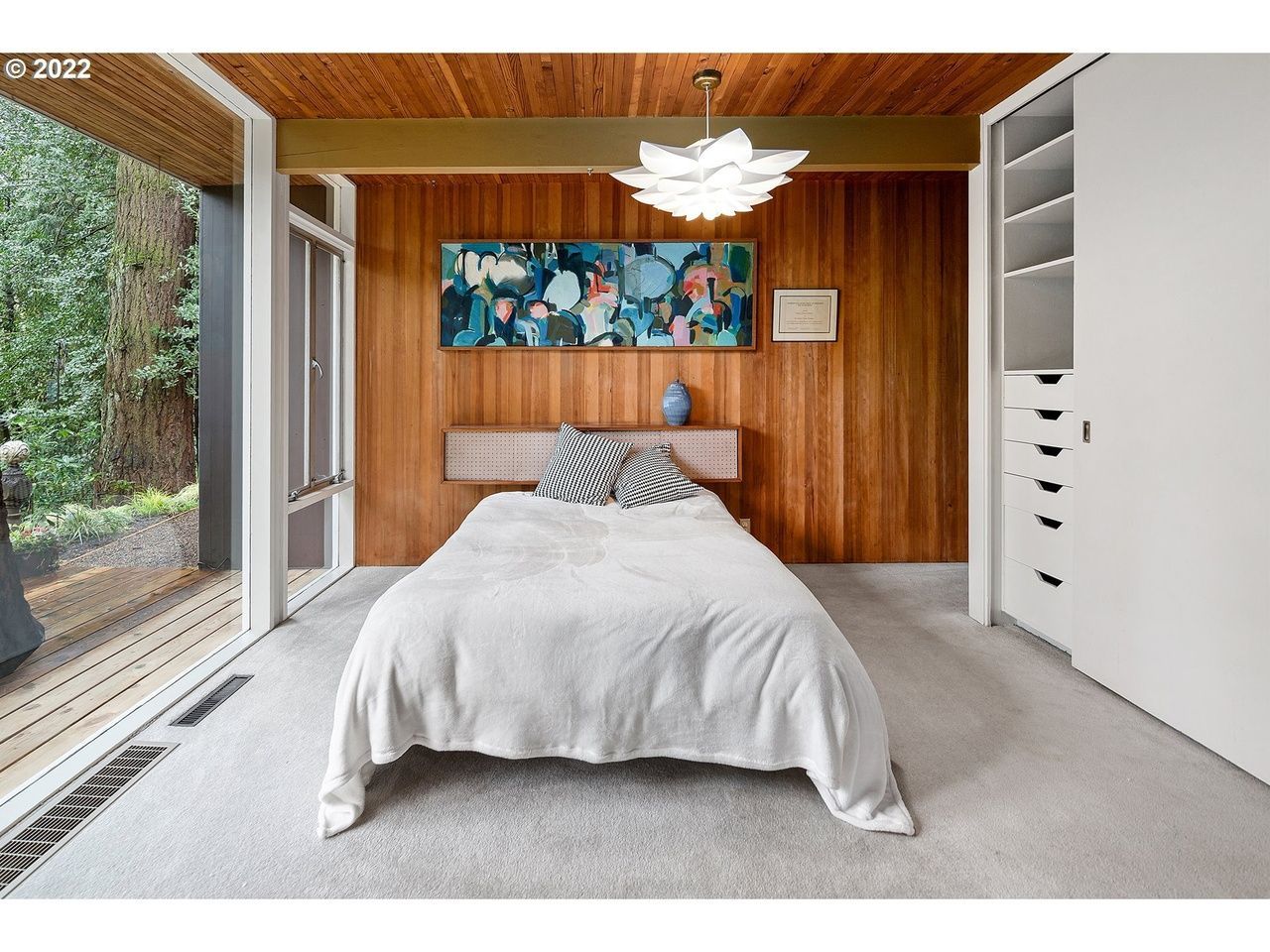
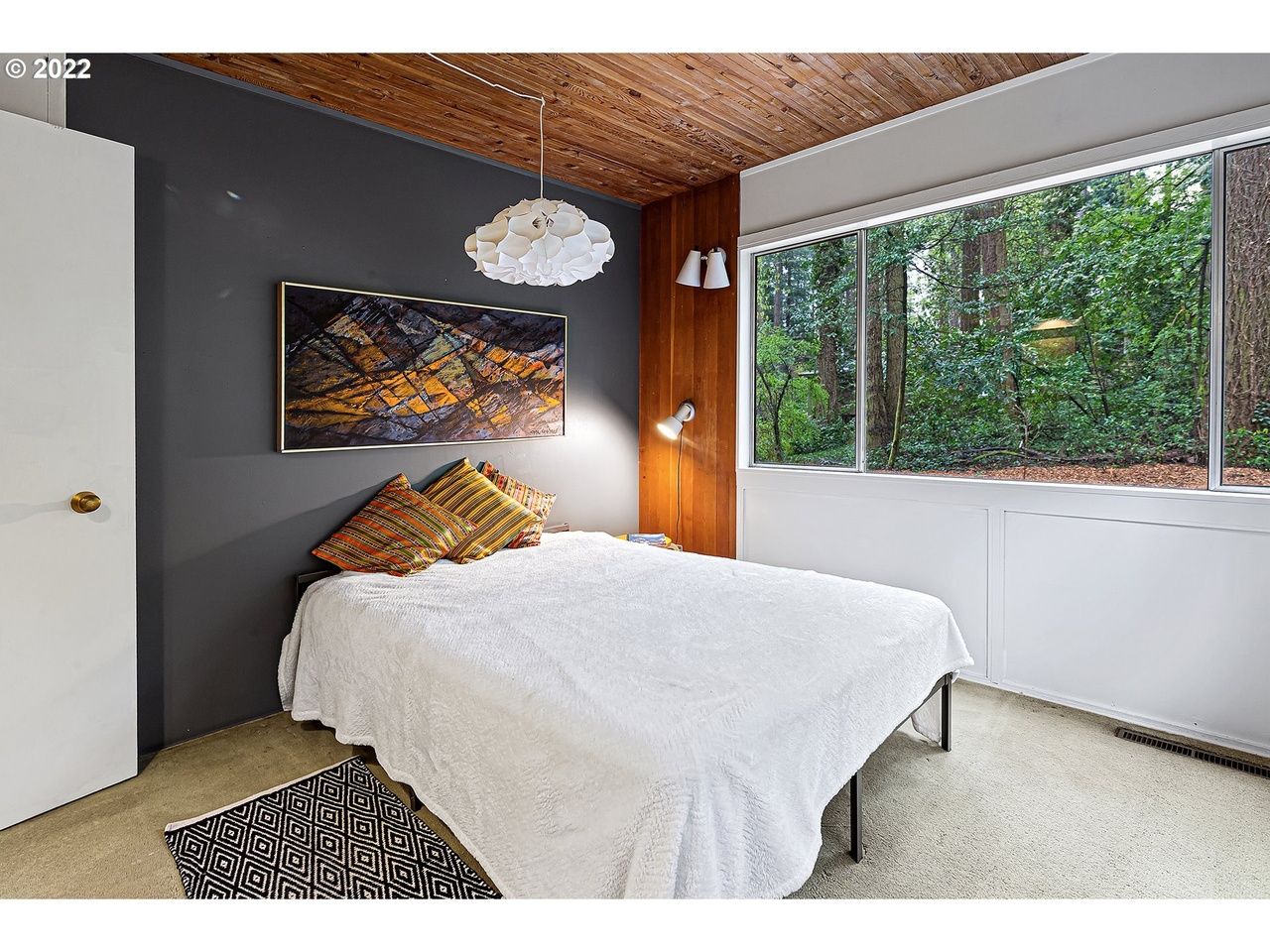
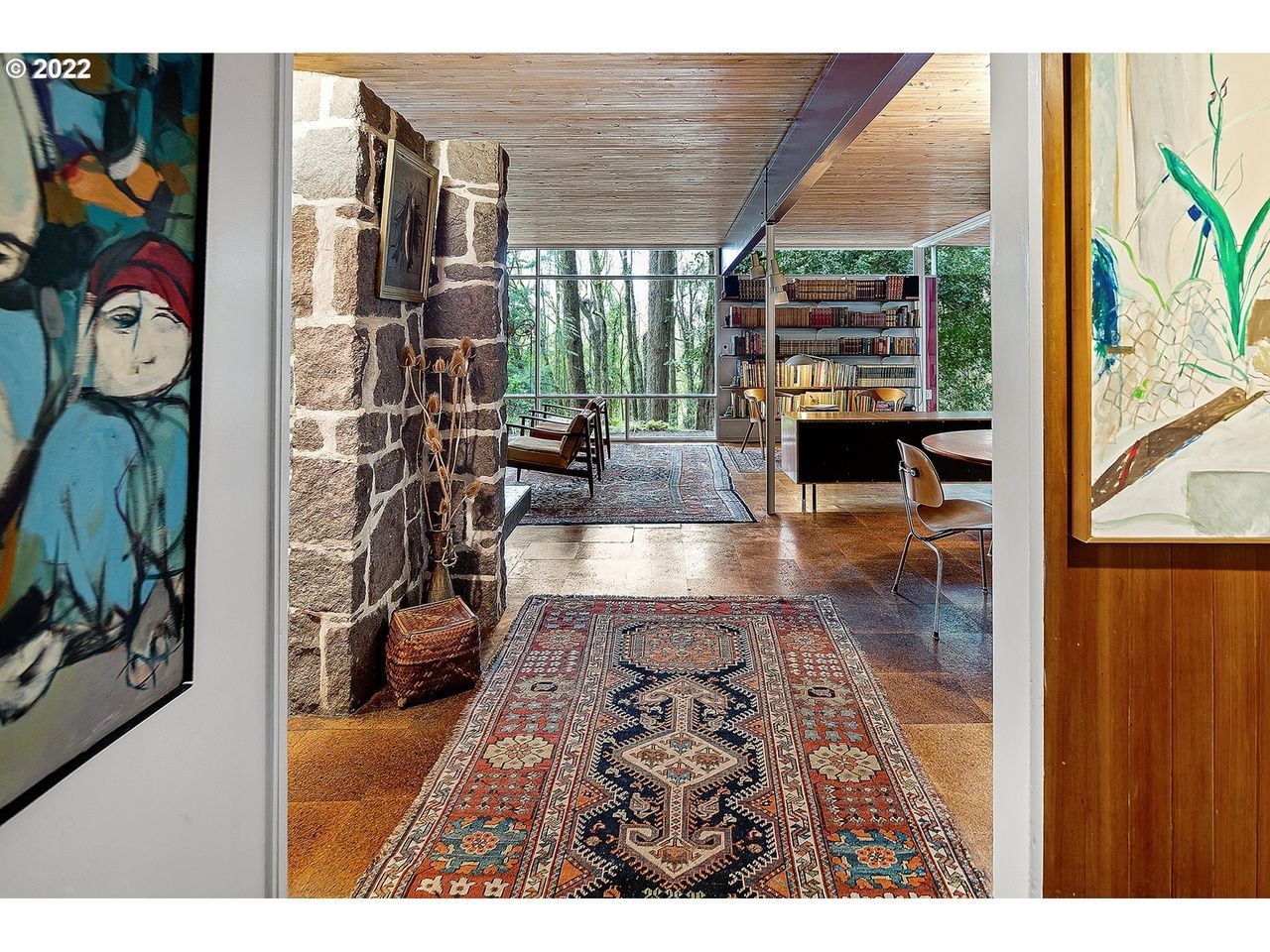
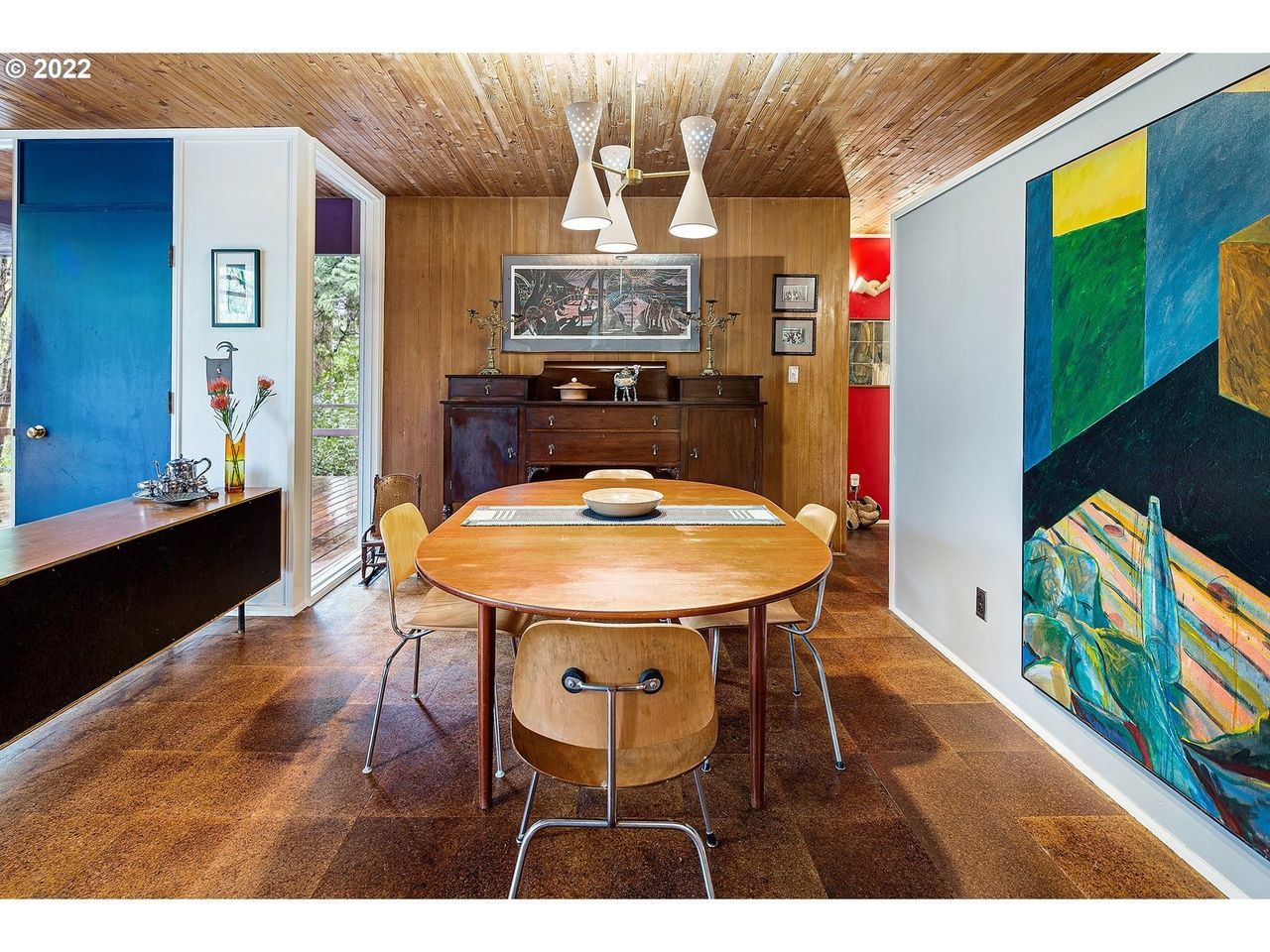
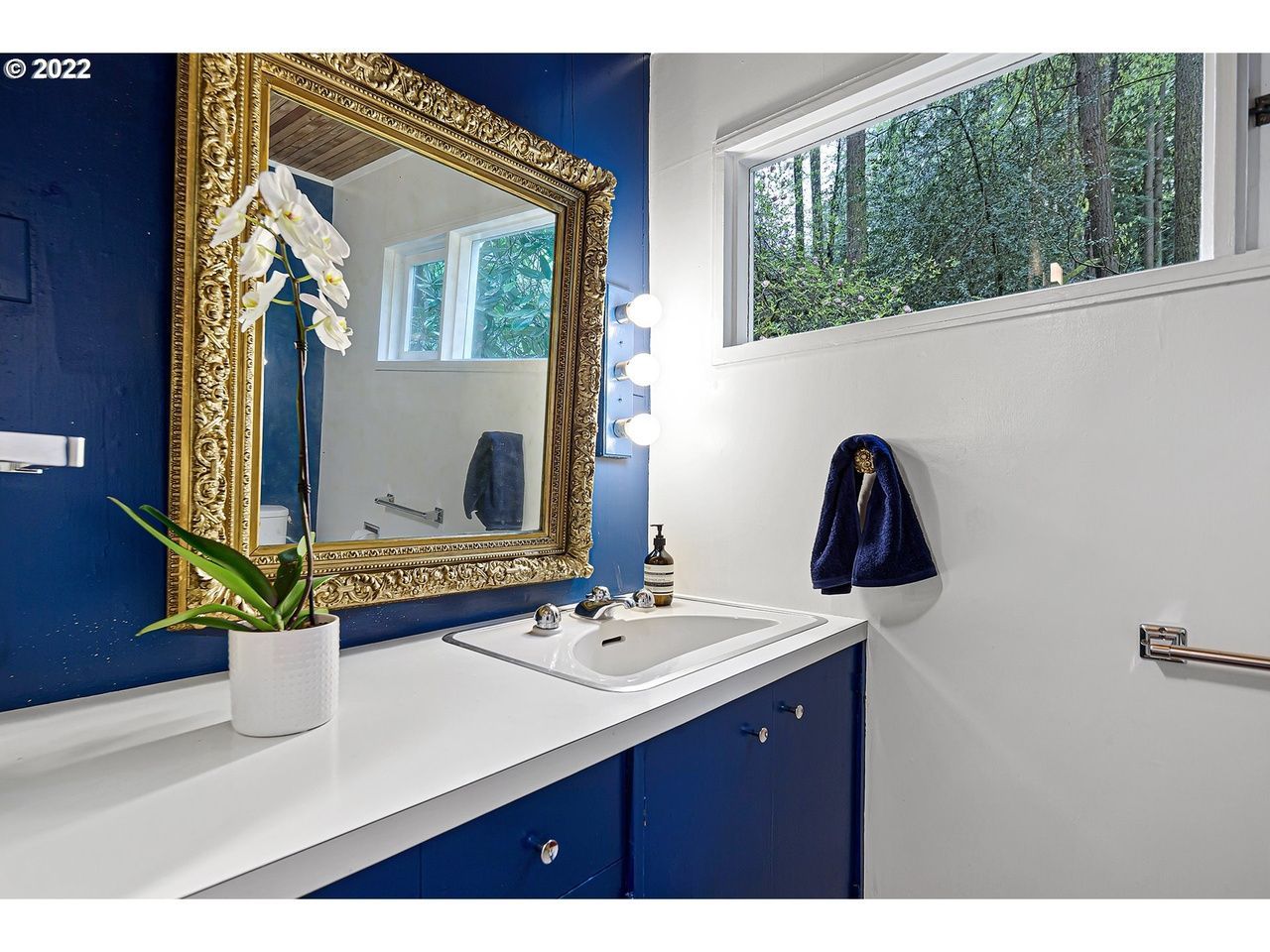
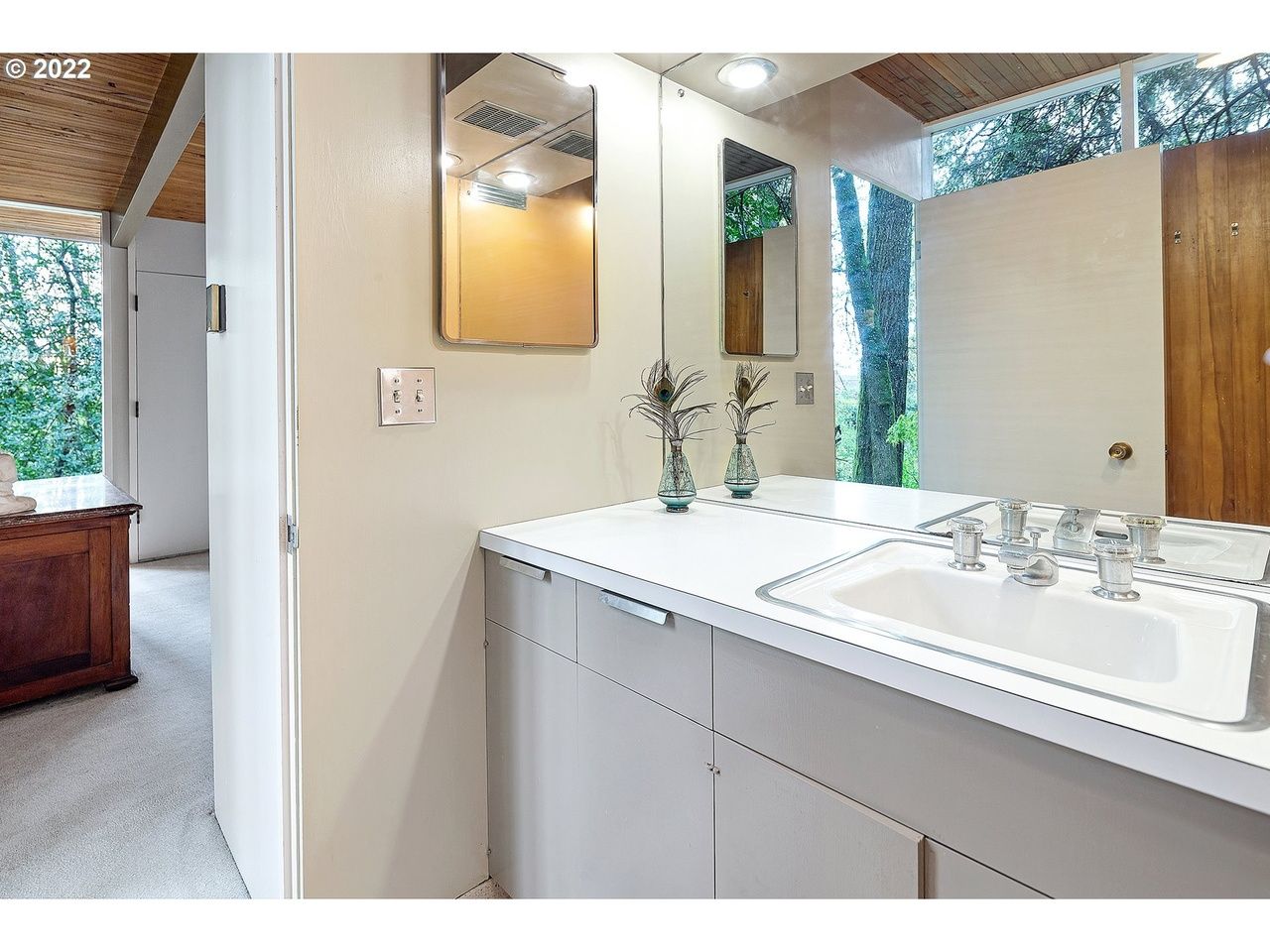
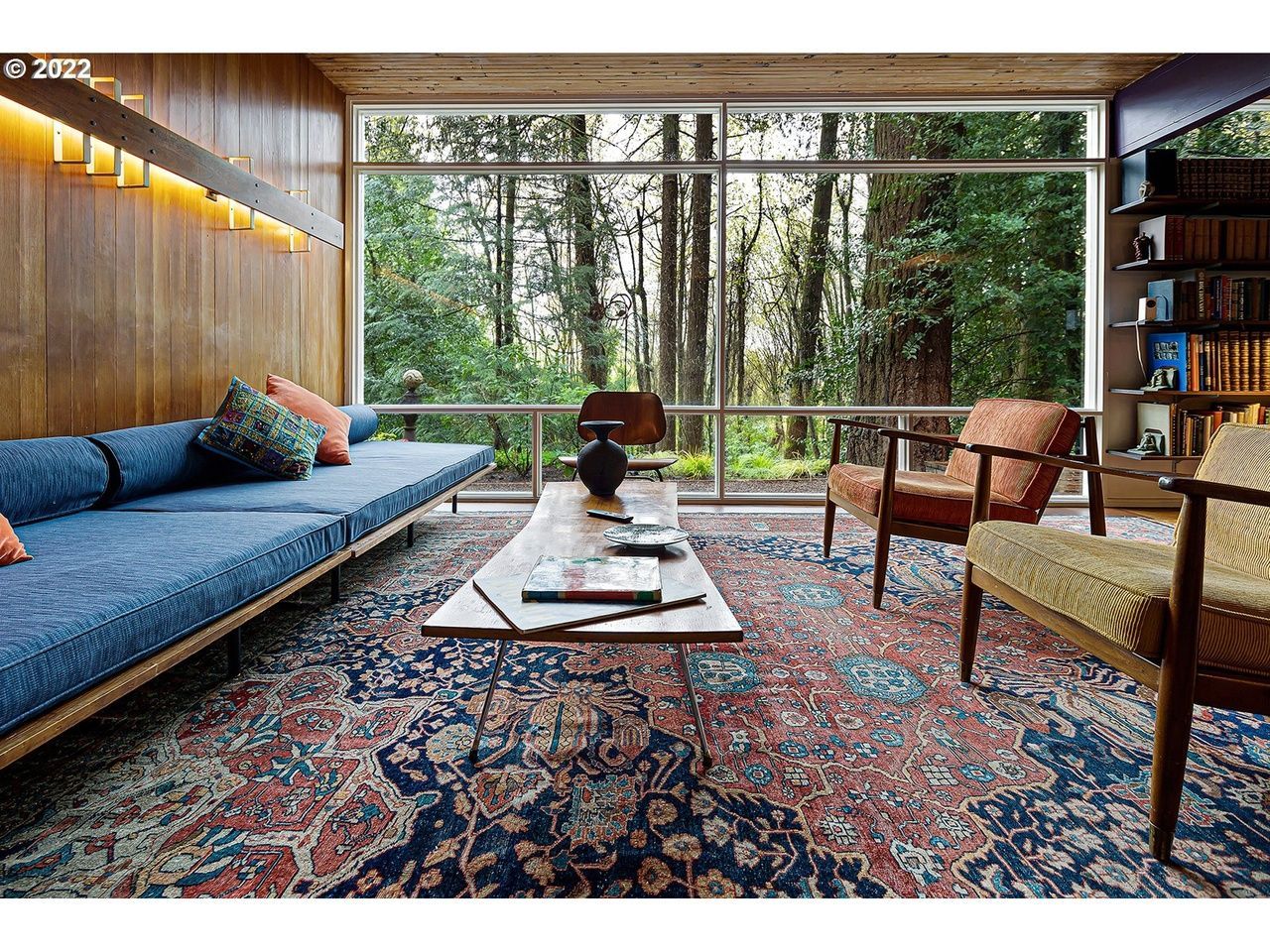
Walking through the Fletcher House today, you understand what made this architect's vision so compelling. The transparency he achieved isn't just about lots of glass - it's about creating a dwelling that truly lives among the trees rather than simply being surrounded by them. The Douglas firs visible through those floor-to-ceiling windows aren't decoration; they're fundamental to how the house is experienced.
This is the work of an architect who understood that Pacific Northwest modernism required more than just copying California or European models. It demanded buildings that responded to Oregon's specific landscape, its quality of light, its relationship between forest and dwelling. Fletcher got it right on his first try.
For midcentury modern enthusiasts and anyone interested in the evolution of Northwest regional architecture, the Fletcher House represents a crucial moment - the point when a talented young architect announced his arrival with a home that would influence how Oregonians thought about modern living for decades to come. That it was his own family home, designed in collaboration with his artist wife, only adds to its significance. This is architecture as both professional statement and deeply personal expression.
Seven decades later, William Fletcher's first house remains exactly what it was in 1954: a radical, rigorous, and remarkably livable vision of how modern life could unfold in the Oregon woods.
