
A Double-Gabled Rummer in Oak Hills
2720 NW Forest Ave, Beaverton
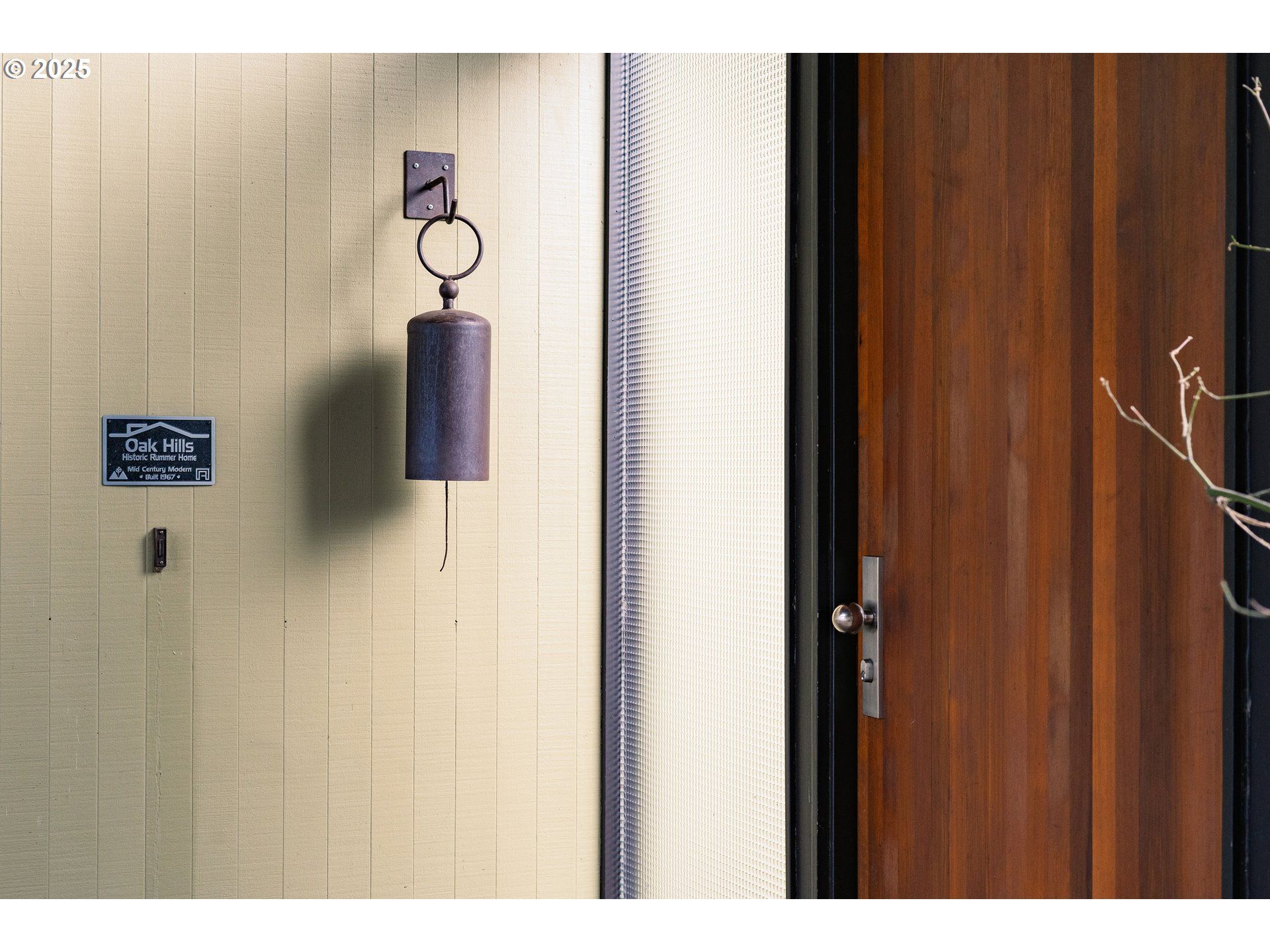
Built in 1967, this Rummer-designed Mid Century Modern home in Beaverton’s Oak Hills neighborhood stands as a thoughtful expression of Pacific Northwest modernism, one that privileges daily living, landscape, and spatial clarity over spectacle. Developed by Robert Rummer whose work translated California modern ideals for Oregon’s climate and culture, the house reflects a disciplined approach to modern residential design that remains remarkably current.
4
Bedrooms
3
Bathrooms
1967
Year Built
Robert Rummer
Developer
Mid-Century Modern
Style
Beaverton
Neighborhood
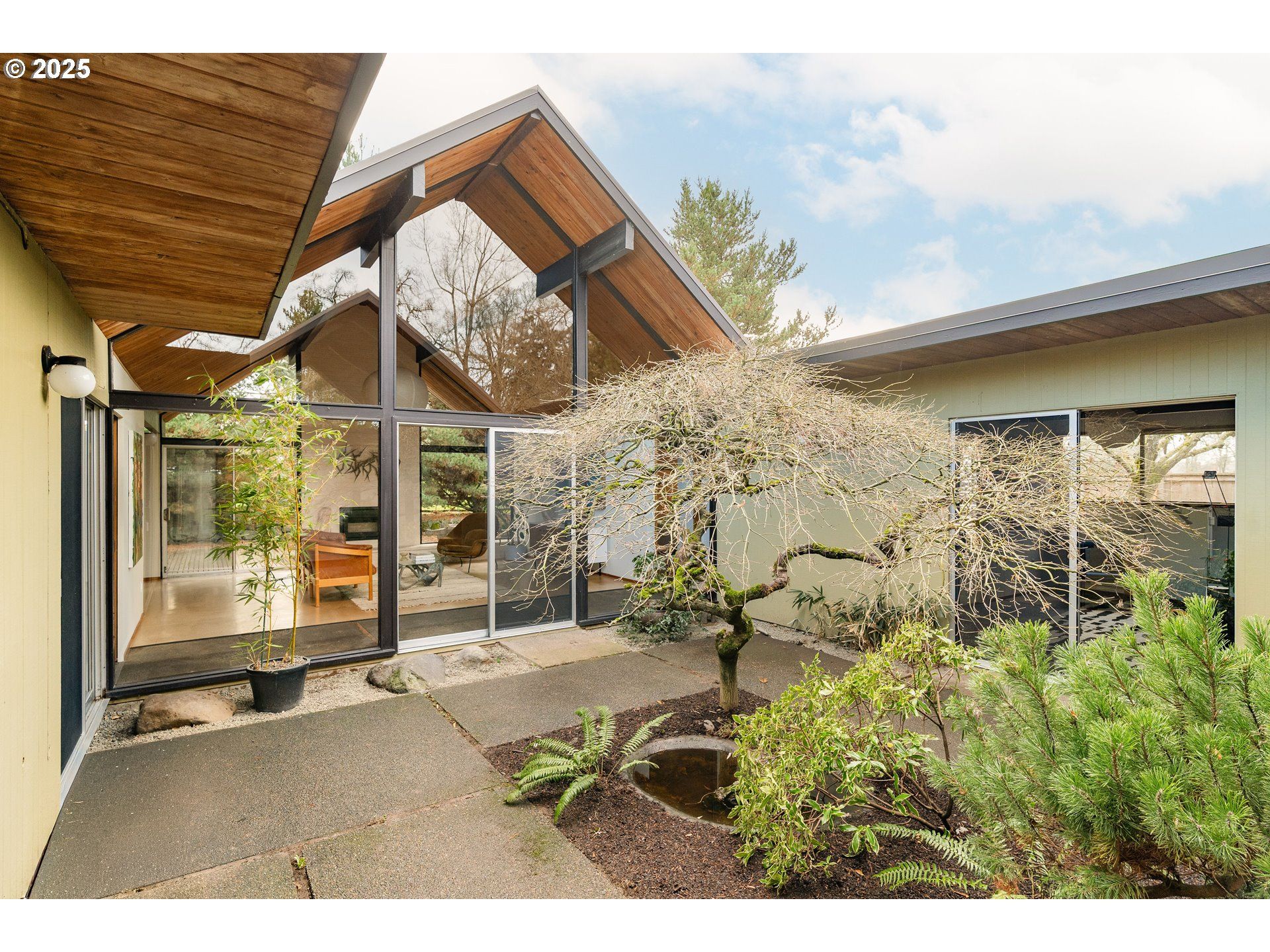
Rummer’s houses are often discussed as systems rather than objects, and this property exemplifies that philosophy. Organized around a central atrium, the plan dissolves the boundary between indoors and outdoors through floor to ceiling glazing and a continuous visual dialogue with planted courtyards. The atrium is not a gesture but a working heart of the home, bringing daylight deep into the interior while structuring circulation in a calm, legible way. Movement through the house feels intuitive, with public and private zones clearly articulated yet visually connected.
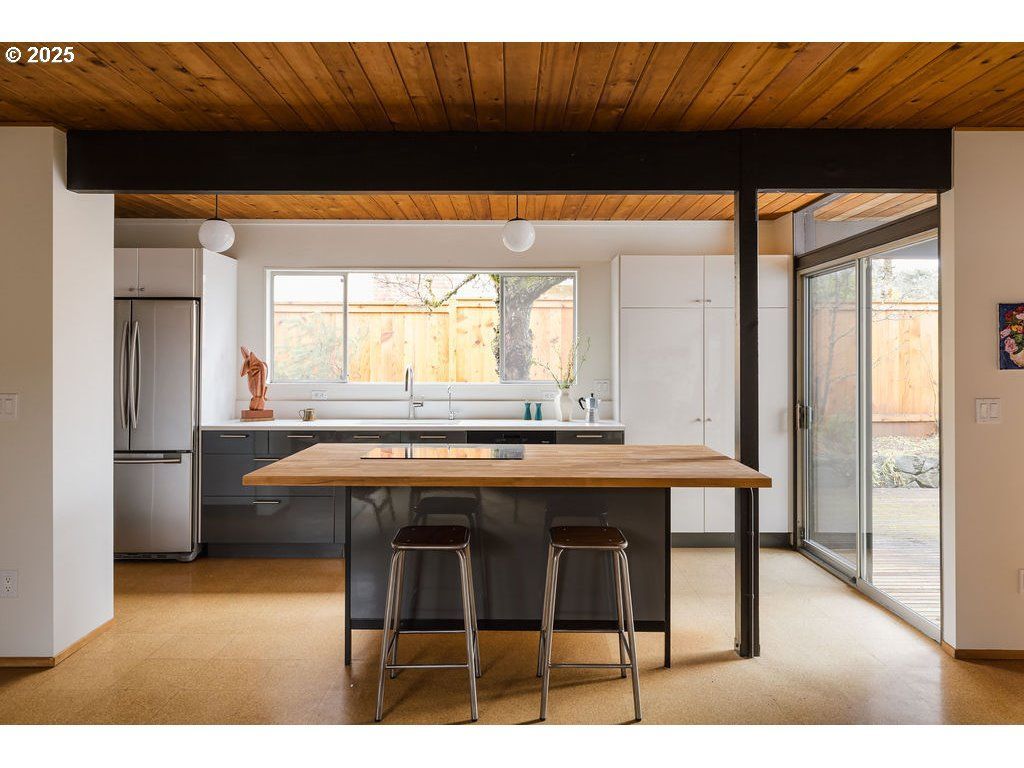
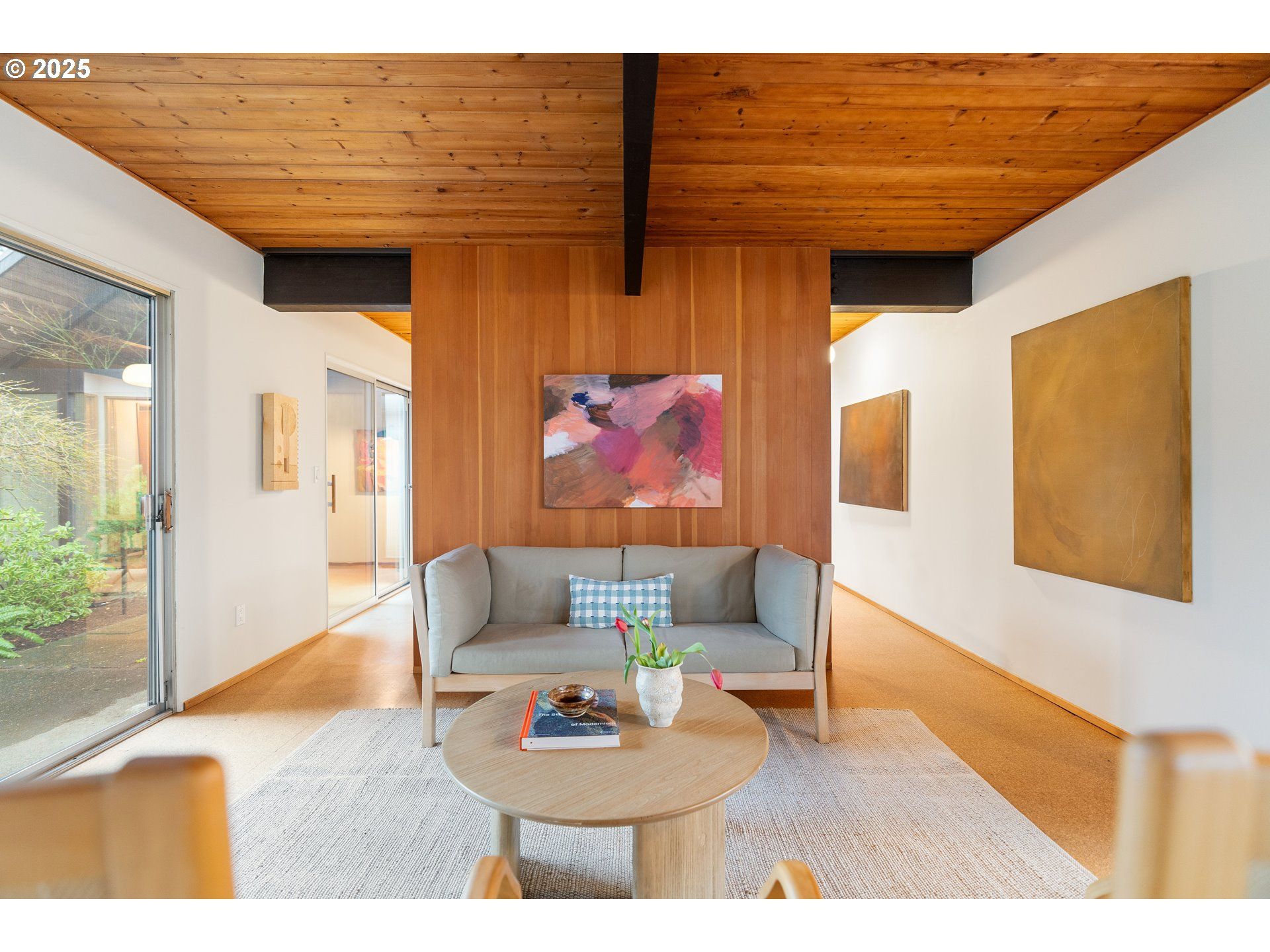
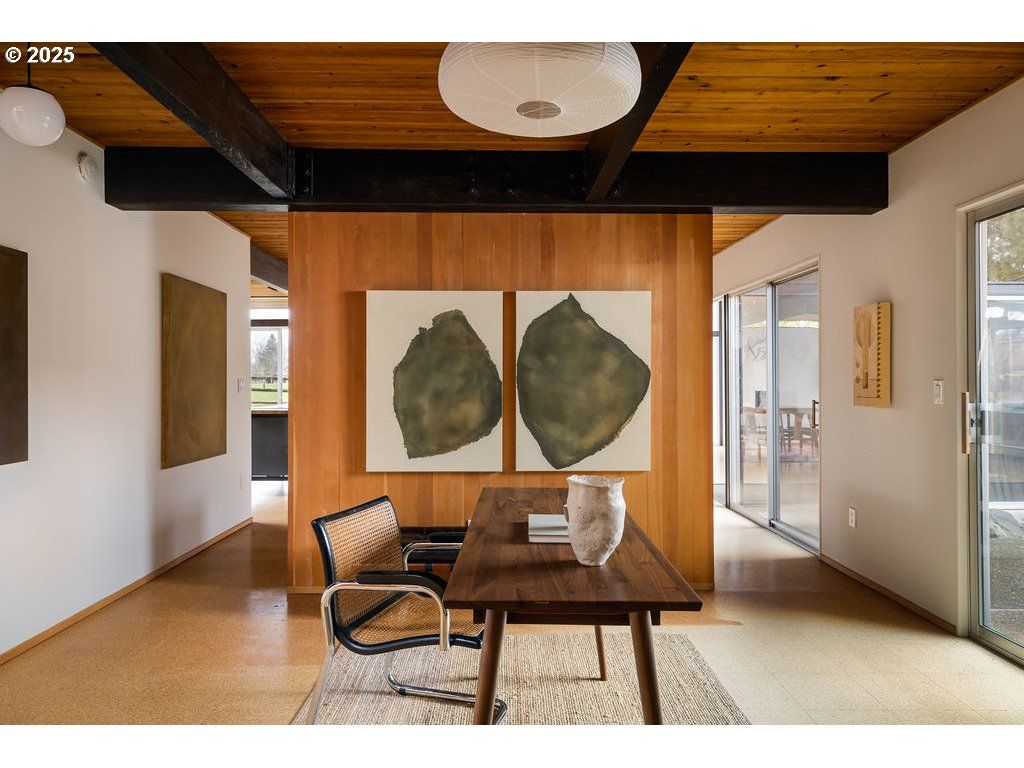
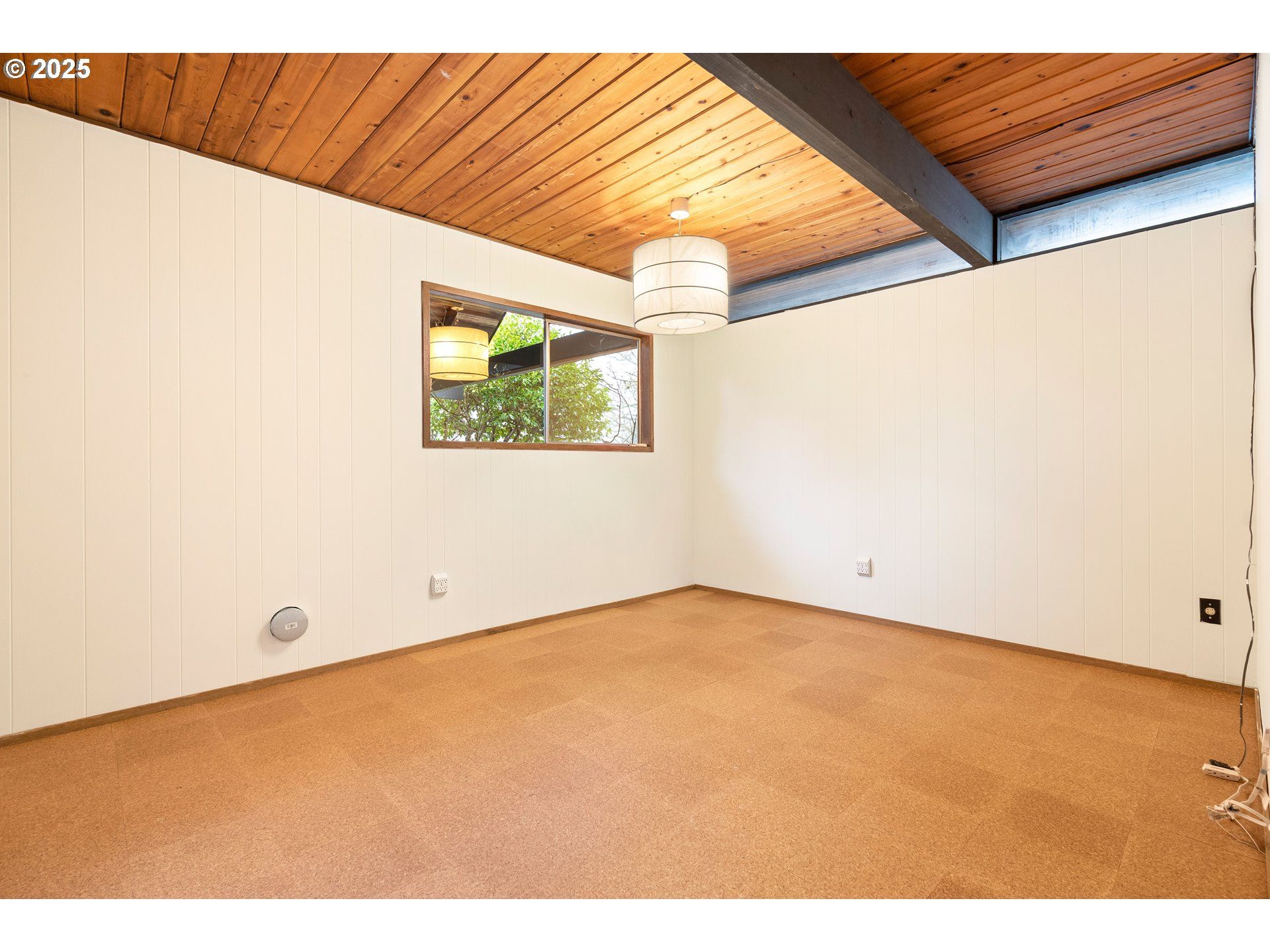
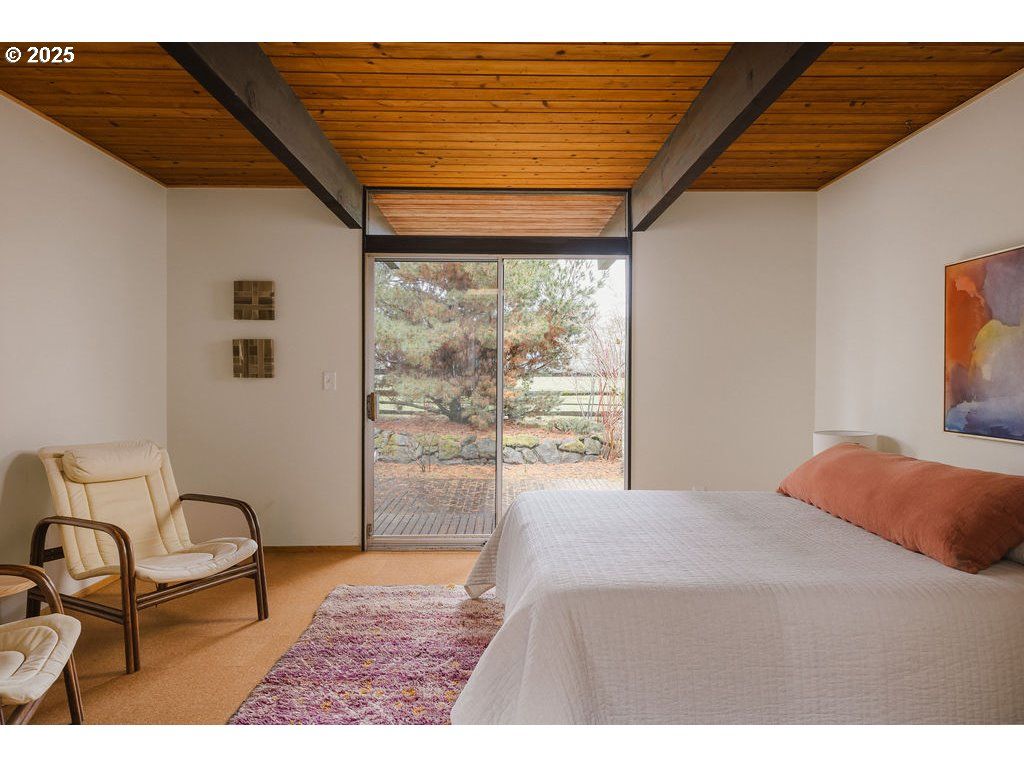
The structure is post and beam, expressed honestly and without ornament. Materials are restrained and tactile. Warm wood ceilings and exposed beams establish a horizontal rhythm, while concrete and masonry elements ground the house both literally and aesthetically. The extensive use of glass is carefully considered rather than expansive for its own sake. Views are framed toward the atrium and gardens rather than the street, reinforcing privacy while maintaining openness. This inward facing orientation is a hallmark of Rummer’s work and particularly well suited to the wooded context of Oak Hills.
Credit for All Photos: Modern Homes Collective / RMLS
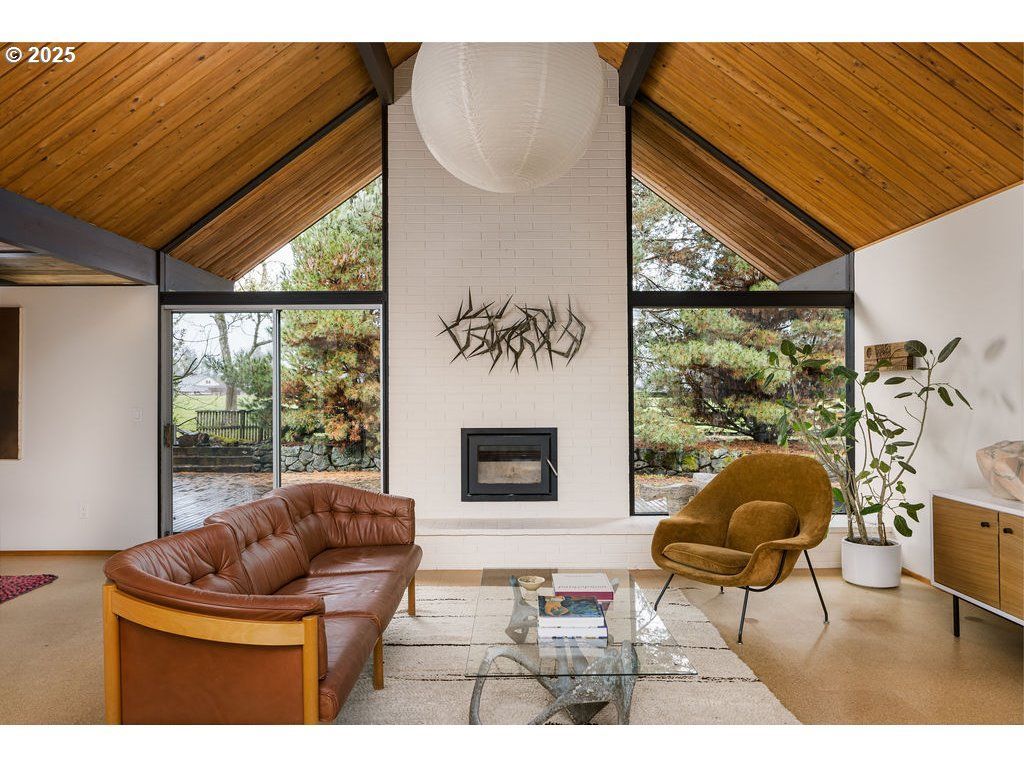
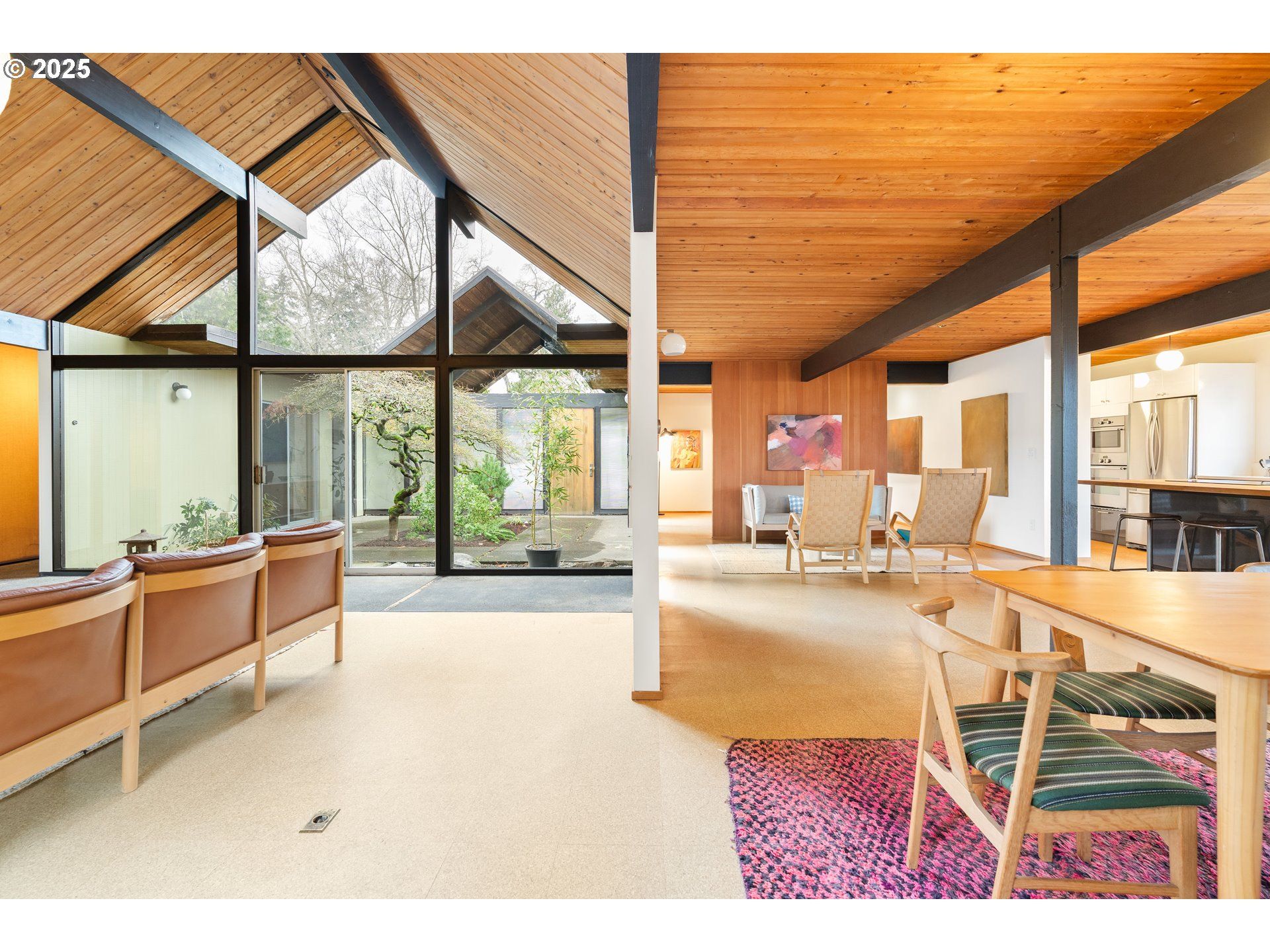
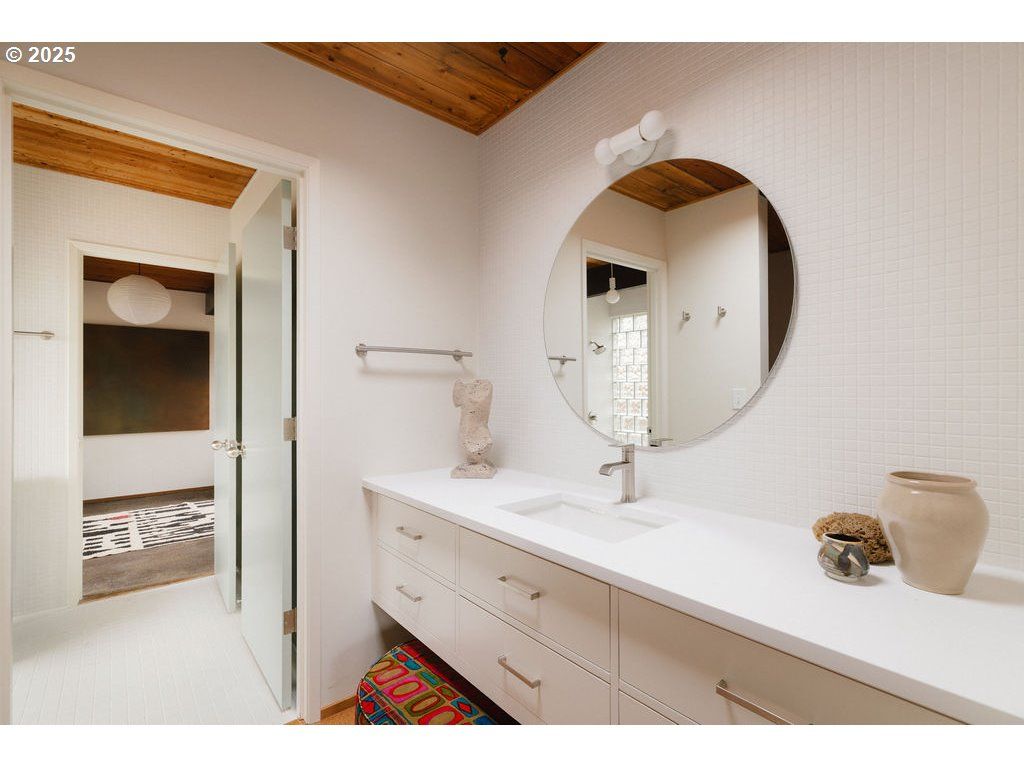
Interior spaces emphasize flexibility and proportion. Living and dining areas flow together without relying on open plan excess. Built in cabinetry, brick surfaces, and original detailing provide texture and depth, allowing the architecture itself to do the work typically assigned to decoration. Bedrooms maintain a quieter tone, with continued access to light and greenery, reinforcing the sense that every room participates in the larger whole.
The home’s relationship to landscape is essential. Rather than treating outdoor space as peripheral, the design integrates gardens as functional rooms. Sliding doors open directly to courtyards and patios, encouraging seasonal living and reinforcing the modernist ideal of continuity between built form and nature. This approach also reflects Rummer’s sensitivity to climate, using overhangs, orientation, and glazing to balance light, warmth, and shelter.
Nearly six decades after its construction, this Rummer home remains a persuasive argument for modernism as lived architecture. It is not a museum piece but a working example of how clarity, restraint, and respect for environment can produce spaces that endure.
