
The Carousel House: Where Architecture, Landscape, and Legacy Converge
3332 SW Fairmount Lane, Portland
The Carousel House at Council Crest captures a moment in 1969 when modern architecture and landscape design were rooted in innovation, sensitivity to place, and the kind of late-night conversations around the kitchen table where the best ideas take shape.
Commissioned by the Wyse family in 1969 and remaining in their care for more than five decades, the home was designed by architect Marjorie Wintermute , one of Portland's pioneering female architects and an alumna of Pietro Belluschi's office, together with landscape architect Barbara Fealy, one of the Pacific Northwest's most celebrated designers. The collaboration produced a rare home where architecture and landscape aren't just compatible but inseparable.
3
Bedrooms
3.5
Bathrooms
1969
Year Built
Marjorie Wintermute
Developer
Northwest Contemporary
Style
Hillsdale
Neighborhood
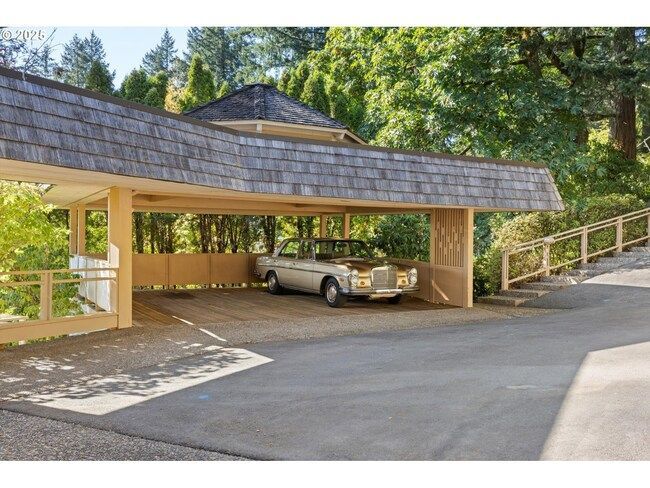
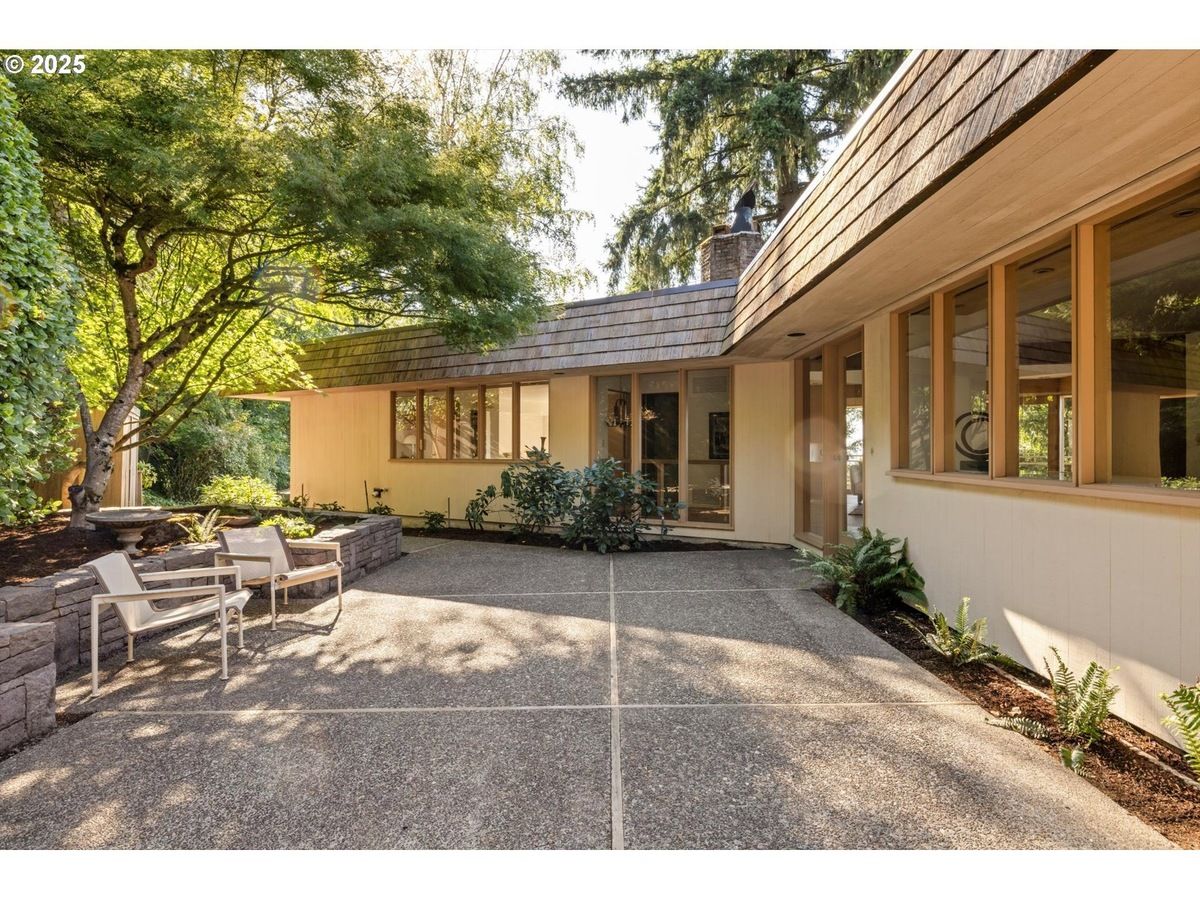
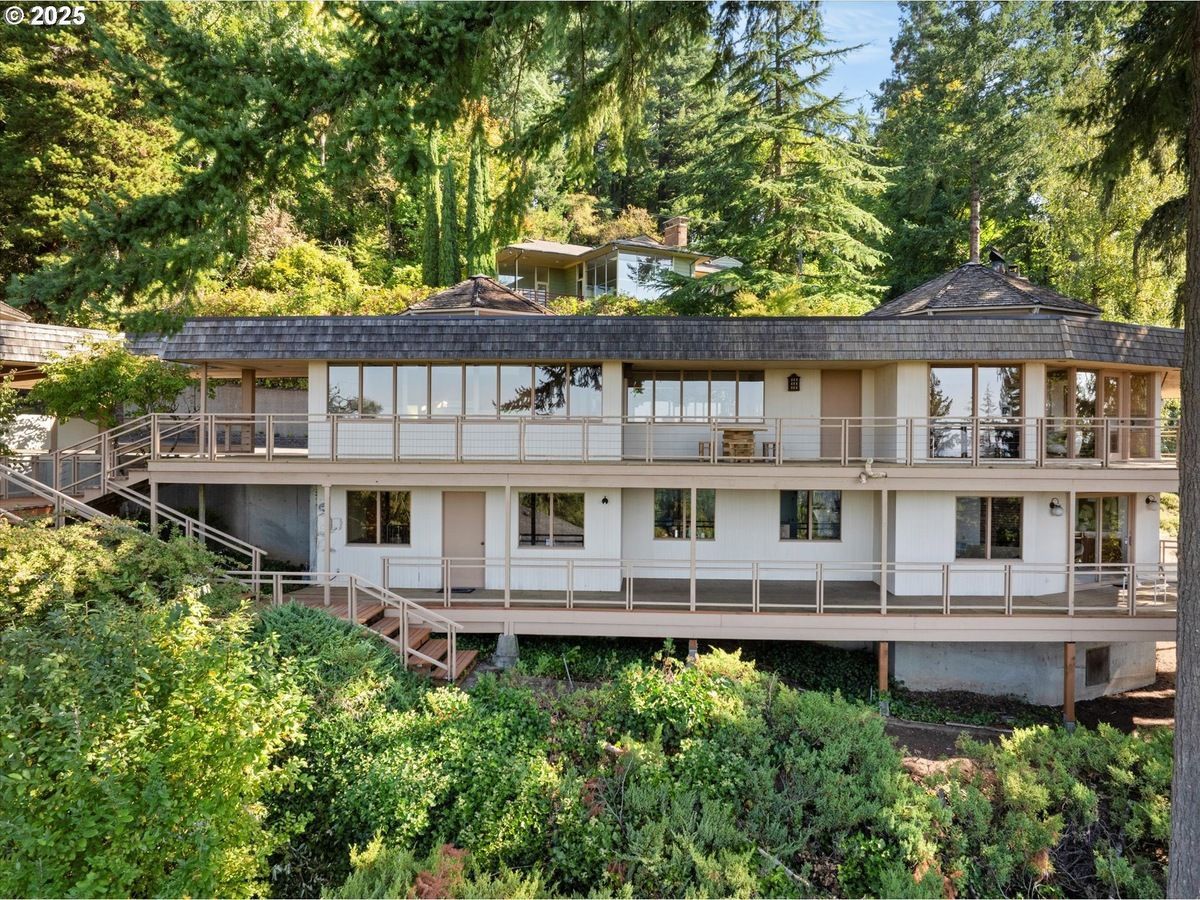
Wintermute drew inspiration from Frank Lloyd Wright, shaping a roofline that is both bold and considerate, with low horizontal planes that echo Wright's Prairie ideals, while clerestory towers draw natural light deep into the living spaces. But here's what sets this design apart: at the owners' request, the roof was designed to preserve the view for the neighbors behind, an architectural gesture that reflects not only artistry but also thoughtfulness. In an era when many architects were focused solely on their own buildings, Wintermute created a design that respected the broader neighborhood context.
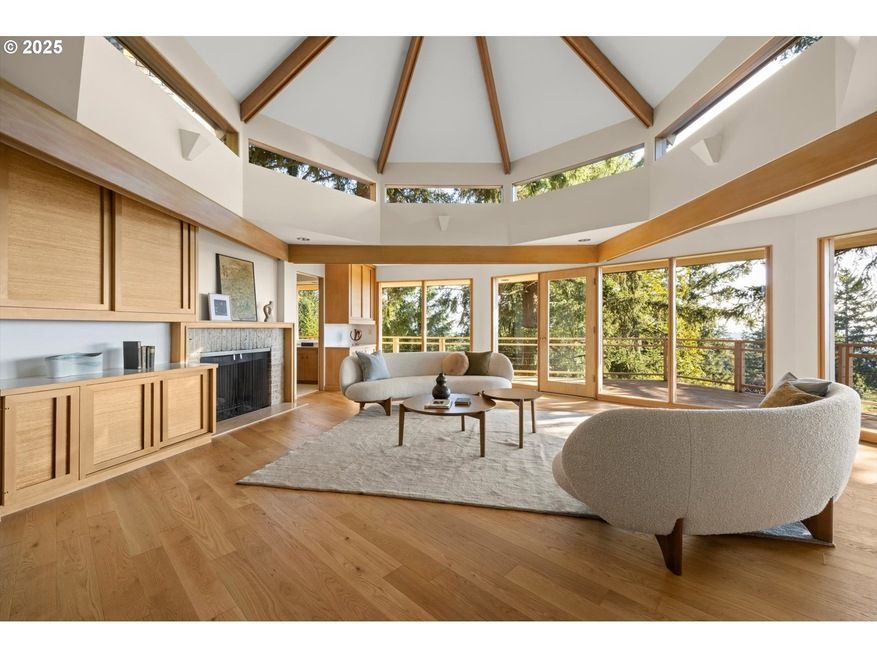
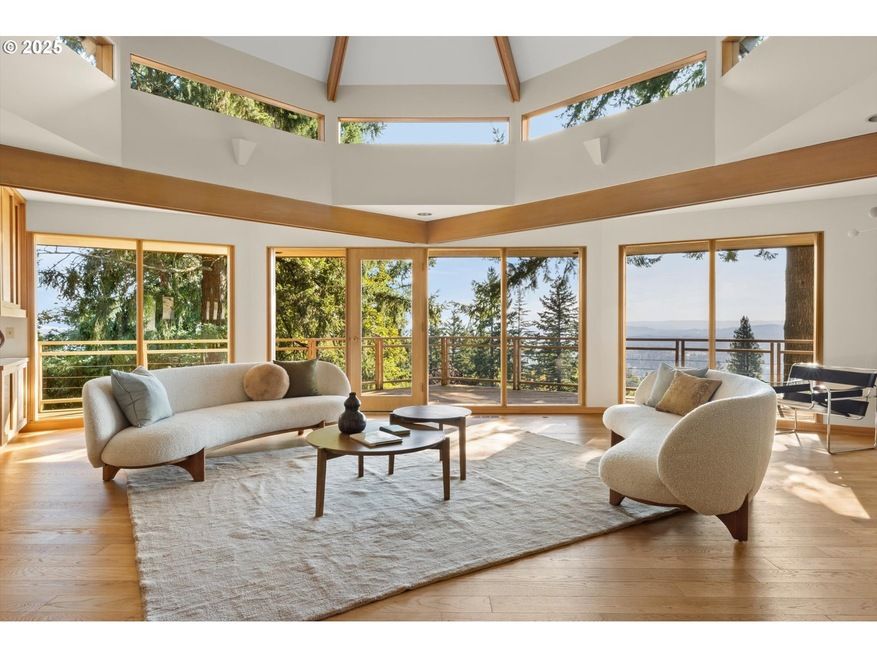
The home's most distinctive feature gives it its name. Three octagonal ceilings, distinct light-filled structures that radiate outward like a carousel, create an unmistakable sense of motion and style. These dramatic ceiling forms serve to organize the interior spaces and flood them with natural light through their clerestory windows.
Credit for All Photos: Justin Jones Media, RMLS & Vetiver Street
Living with Light and Warmth
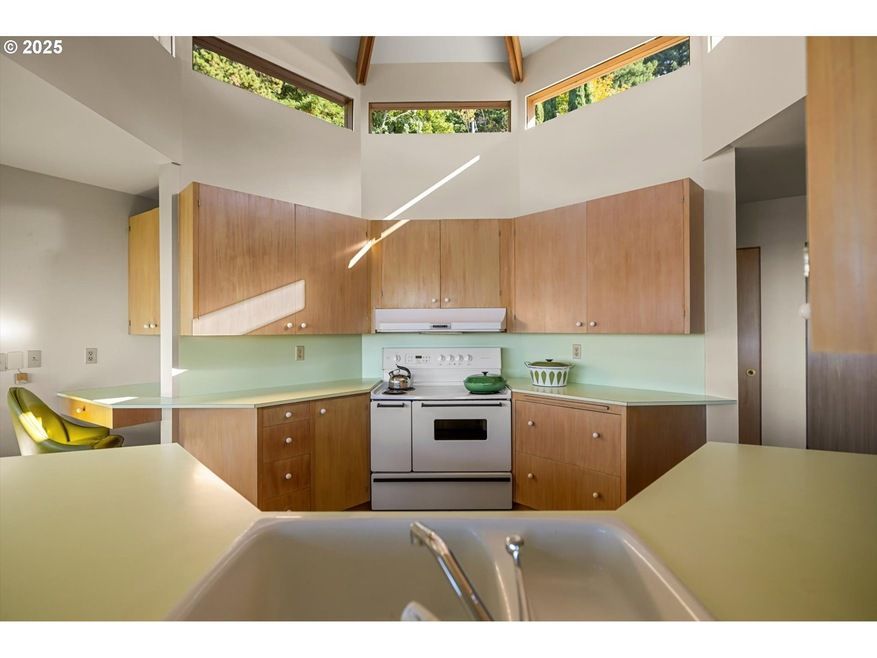
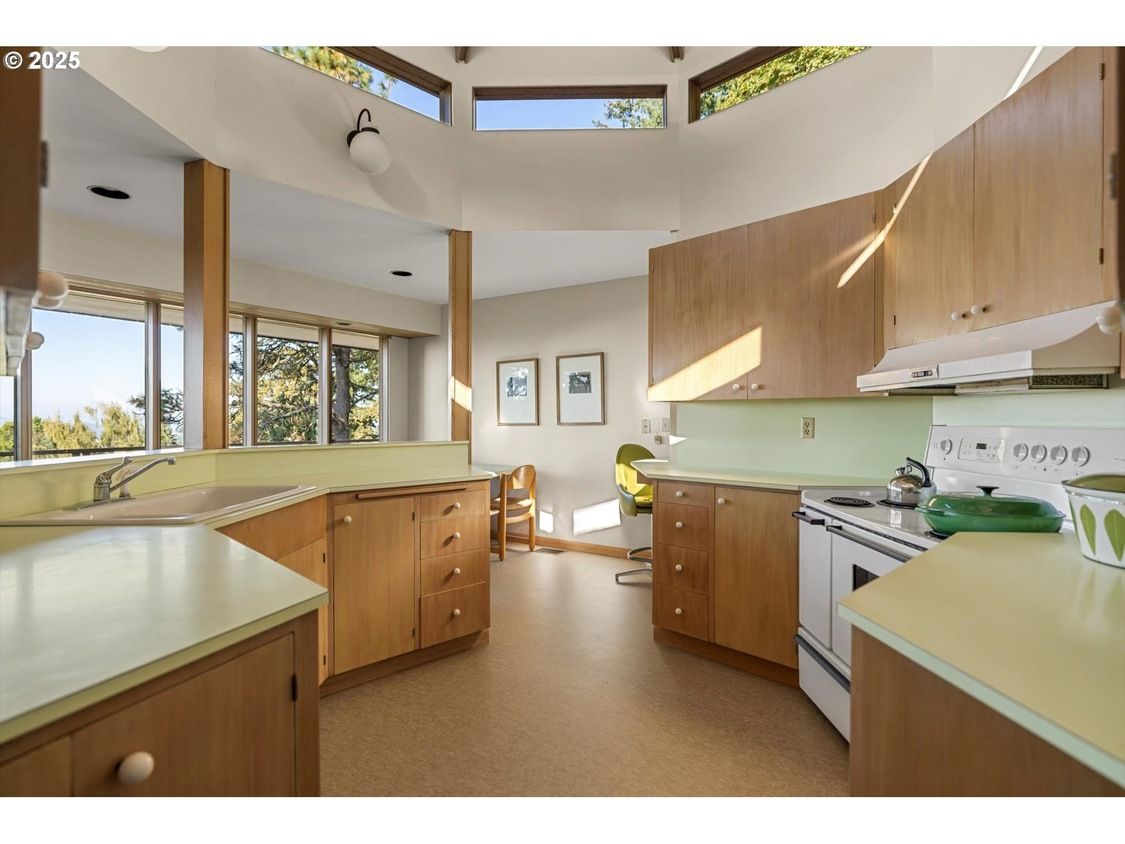
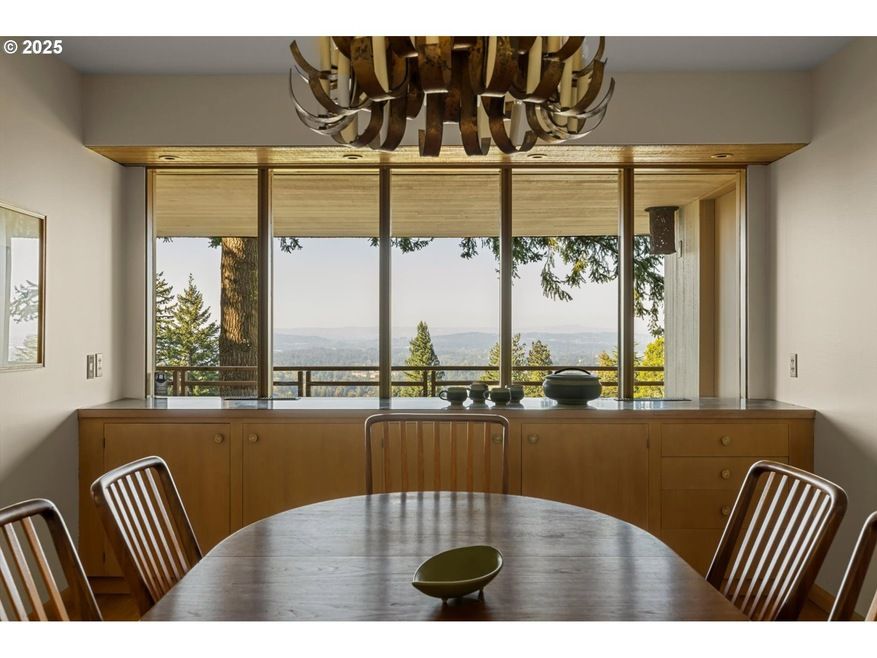
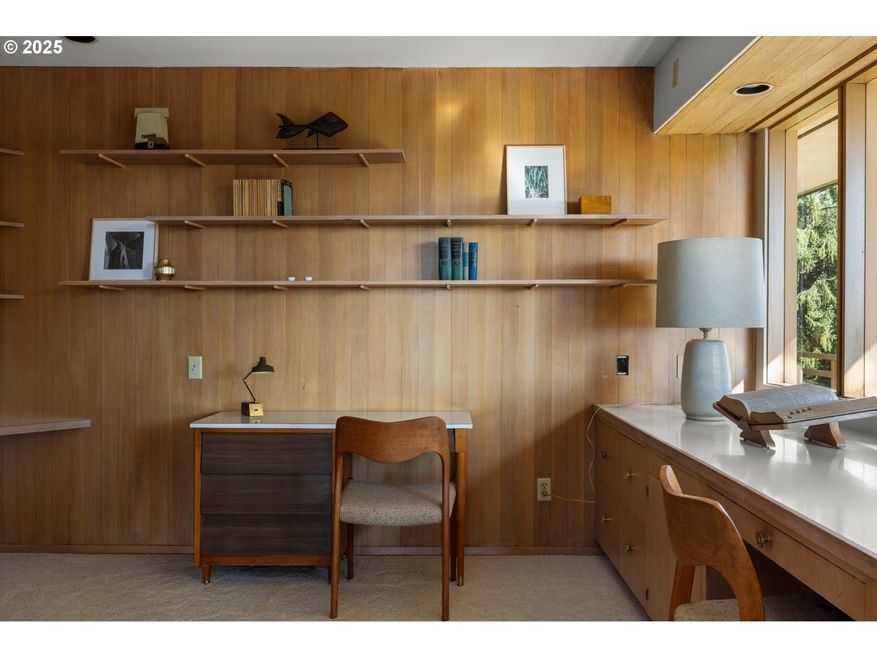
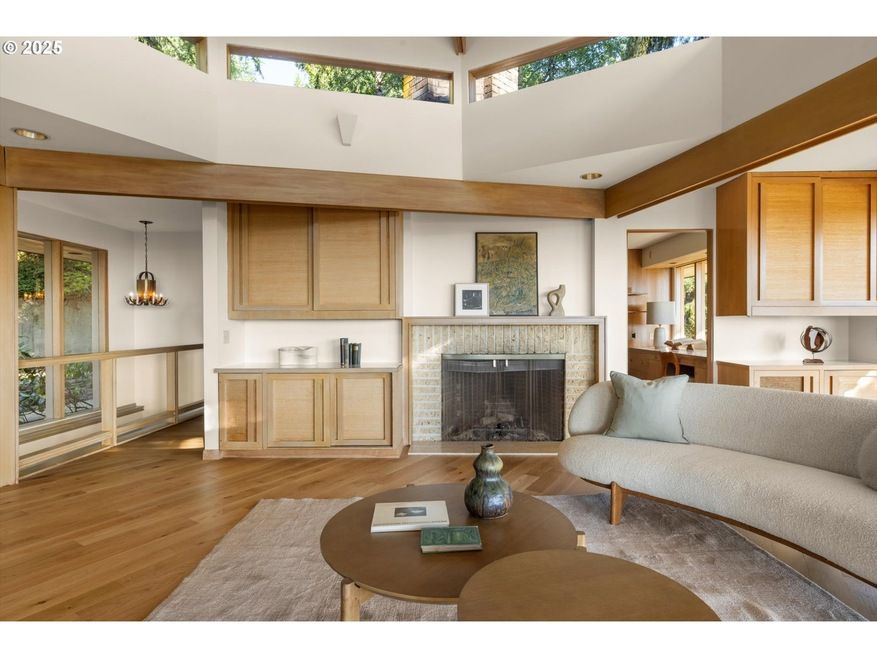
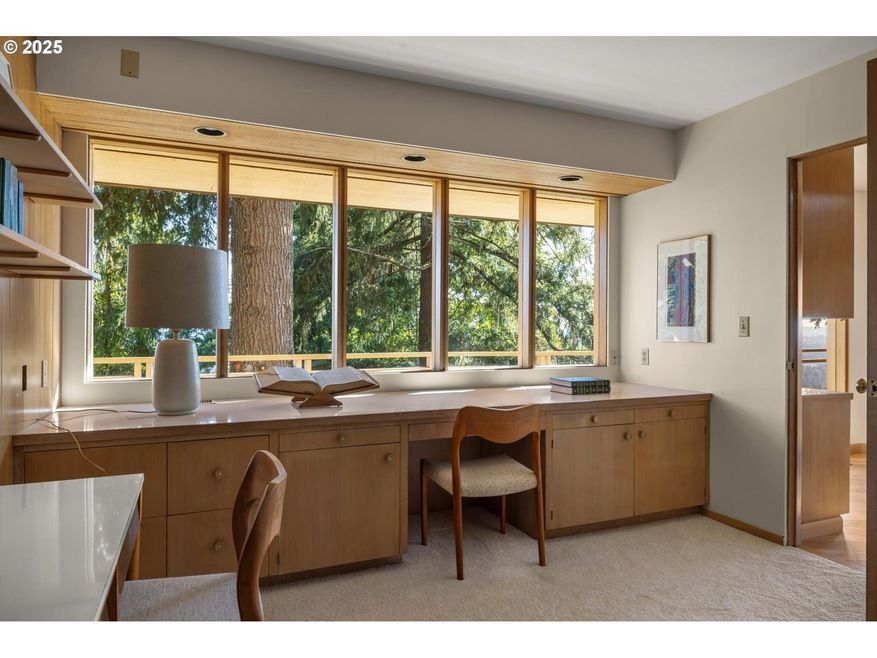
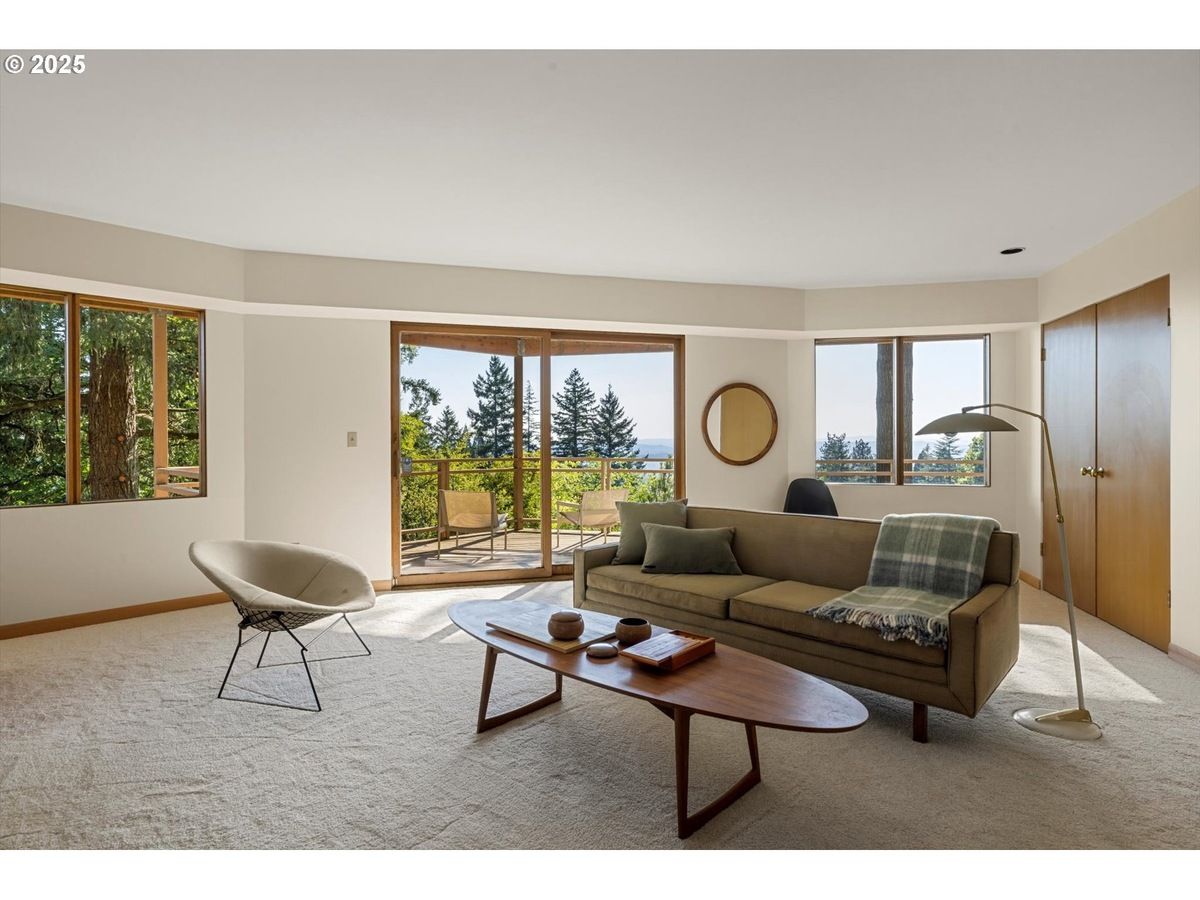
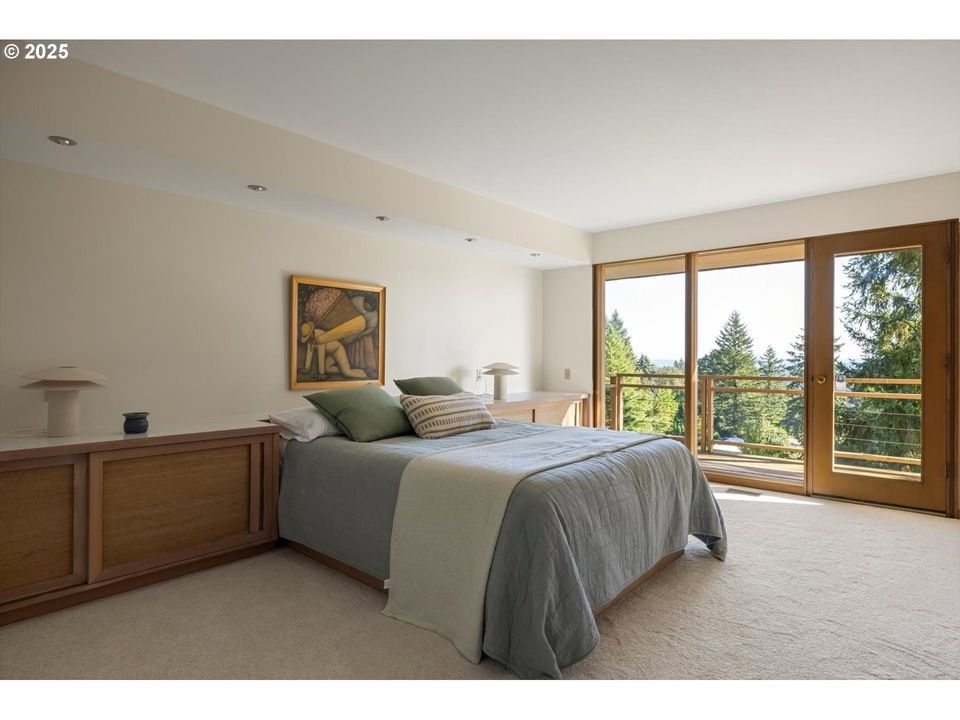
Inside, the home carries the warmth and character of its mid-century origins. Three fireplaces anchor gathering spaces, while wood paneling, custom built-ins, and clerestory light bring texture and intimacy. The kitchen retains its original cabinetry and is efficient, playful (that wonderful green!), and designed to make cooking a joy. The great room, crowned by one of the octagonal ceilings and encircled by clerestory windows, gathers light by day and glows by night. Two decks extend the living areas outward, opening the house to the trees and to amazing valley views, visible from both the upper and lower levels.
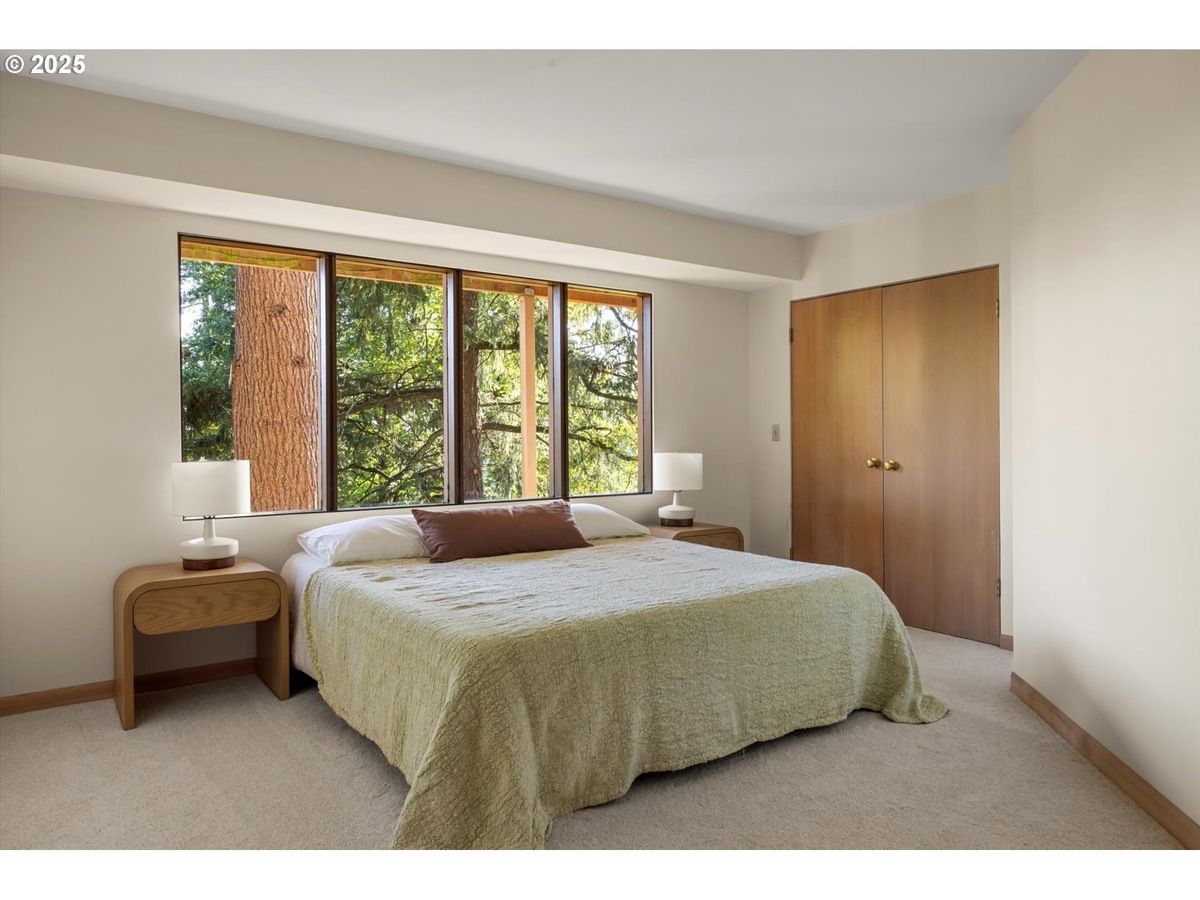
With over 4,400 square feet across three bedrooms, the floor plan demonstrates the kind of flexibility that was ahead of its time in 1969. Every space is oriented toward light, nature, and connection. These principles are especiallly important in our climate and they feel as relevant today as they did when the Wyse family first spread those sketches across their table.
A Landscape Architect's Touch
The grounds were shaped as thoughtfully as the architecture. Barbara Fealy, among the first women elected Fellows of the American Society of Landscape Architects, brought her signature vision to the property. Terraced plantings, layered greenery, and leafy privacy frame the house with a sense of harmony and quiet drama, echoing Wintermute's architectural philosophy.
This wasn't just planting trees and calling it done. Fealy created outdoor rooms, sightlines, and seasonal experiences that complement the architecture while establishing their own identity. Walking the grounds, you see how landscape and building work together to create something greater than either could achieve alone.
The Significance of Single-Family Ownership
This is a home of rare continuity. Built for one family and held by them for more than five decades, it carries with it a history of pride. That kind of stewardship is increasingly uncommon, especially for architecturally significant homes. The Wyse family's decades-long care means the house retains its character, its original features, and its integrity.
For anyone passionate about mid-century and Northwest modern design, The Carousel House represents something special. It's a collaboration between two talented women working at the height of their careers, creating a home that pushed boundaries while respecting tradition and community.
In 1969, female architects and landscape architects were still fighting for recognition in male-dominated professions. Marjorie Wintermute and Barbara Fealy weren't just talented—they were pioneers. That they came together on this project, creating something this cohesive and enduring, makes The Carousel House significant beyond its architectural merits.
The Carousel House was listed for sale in 2025 by Vetiver Street Real Estate.
