
Van Evera Bailey
Portland's Unsung Master of Northwest Modernism
by Brian Enright
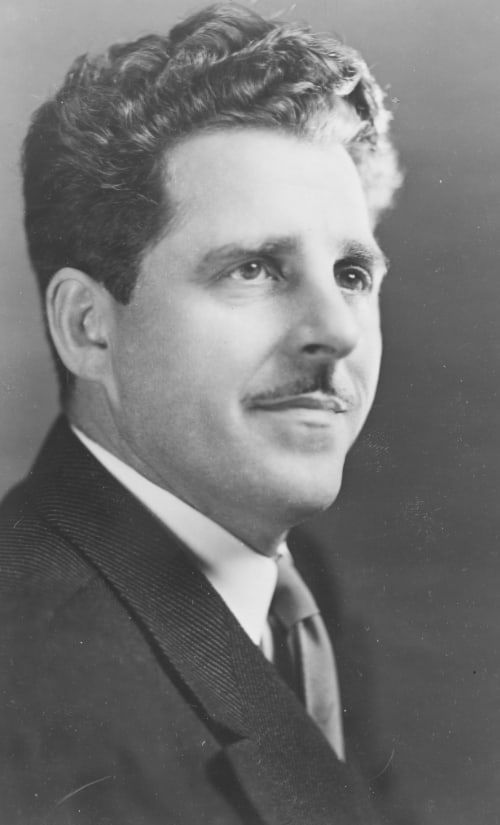
Van Evera Bailey spent his long career proving that great architecture doesn't require stardom. While his contemporaries Pietro Belluschi and John Yeon achieved national fame, Bailey quietly designed hundreds of mid-century modern homes that remain beloved in Portland today. His legacy lives on not just in those houses, but in two structural innovations still used throughout the Pacific Northwest and in an annual fellowship that supports Oregon architects working at the peak of their careers.
Bailey's story is one of perseverance through economic hardship, lucky breaks that changed everything, and the gradual refinement of a design philosophy that valued livability as much as innovation. He helped define Northwest Regional Modernism without seeking the spotlight, creating homes that feel as relevant today as they did seventy years ago.
A Collection of Van Evera Bailey Homes
Whenever we find one of Bailey's properties for sale or profiled online we'll post about it here.
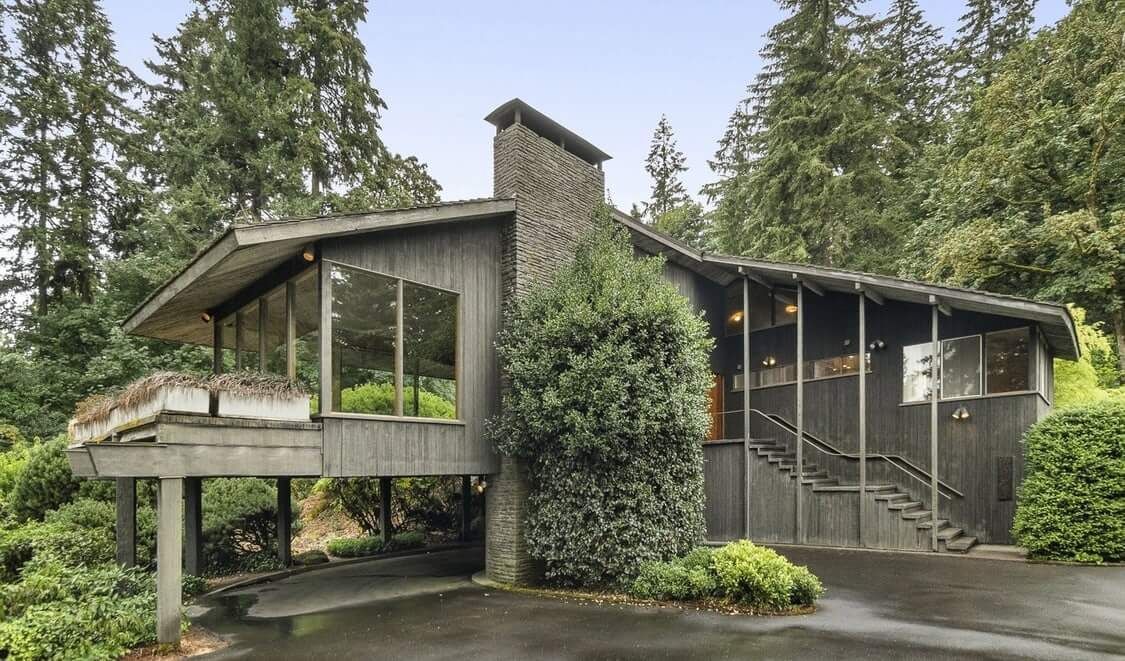
Van Evera Bailey Original in Dunthorpe
A Winding Path to Architecture
Bailey didn't take the conventional route to becoming an architect. He acquired his skills through apprenticeships and practical experience rather than formal architecture school. His first mentor was William Gray Purcell, a transplanted Midwest architect who had worked in Frank Lloyd Wright's Chicago circle and practiced in the Prairie Style. That early exposure to Prairie School principles like horizontal lines, integration with landscape and natural materials would echo through Bailey's later work.
His early designs reflected the styles of their time. "Stonecrop" was a house he built for his brother Lawrence in 1928 in Oak Grove. It was pure rustic Craftsman that used stone quarried from the Willamette River banks to anchor the house to its site.
Just as his early career was getting started The Great Depression came along and derailed it. Since work dried up for Bailey (and all architects at the time), he started to travel and took odd jobs wherever he could find them. He even designed miniature golf courses in New Zealand during this time! Sometimes you just go where life takes you and roll with what comes up. In 1931 he landed back in the States in Southern California, where he spent five years designing residences in the Streamline Moderne style popular in Los Angeles at the time. These houses borrowed aesthetic cues from ocean liners and cruise ships with curved walls, porthole windows and nautical details that suggested movement and modernity.
The Richard Neutra Moment
Everything changed in 1940 when Richard Neutra, the famous California modernist, hired Bailey as supervising architect for the Jan de Graaff house in Dunthorpe. This commission brought Bailey back to Portland and gave him the break that would define his career.
The story of what happened next has become part of Portland architectural lore. Neutra's original design called for stucco exterior walls. There's a reason you don't see many stucco houses in Portland where the climate is much wetter than SoCal. Bailey suggested substituting cedar siding instead (the audacity!). The wood would weather the rain better and give the house what Bailey called more "local flavor." This was pivotal... Neutra was famous and could have taken offense to being questioned by the young Bailey. But he recognized talent and realized Bailey was right, so he agreed to the change. The resulting de Graaff house was widely recognized in the architectural press, and suddenly Bailey was known as an architect who understood how to adapt modernist principles to Pacific Northwest conditions. That cedar-over-stucco substitution was more than a practical decision - it was a philosophical statement about what Northwest modernism should be.
Structural Innovation for the West Hills
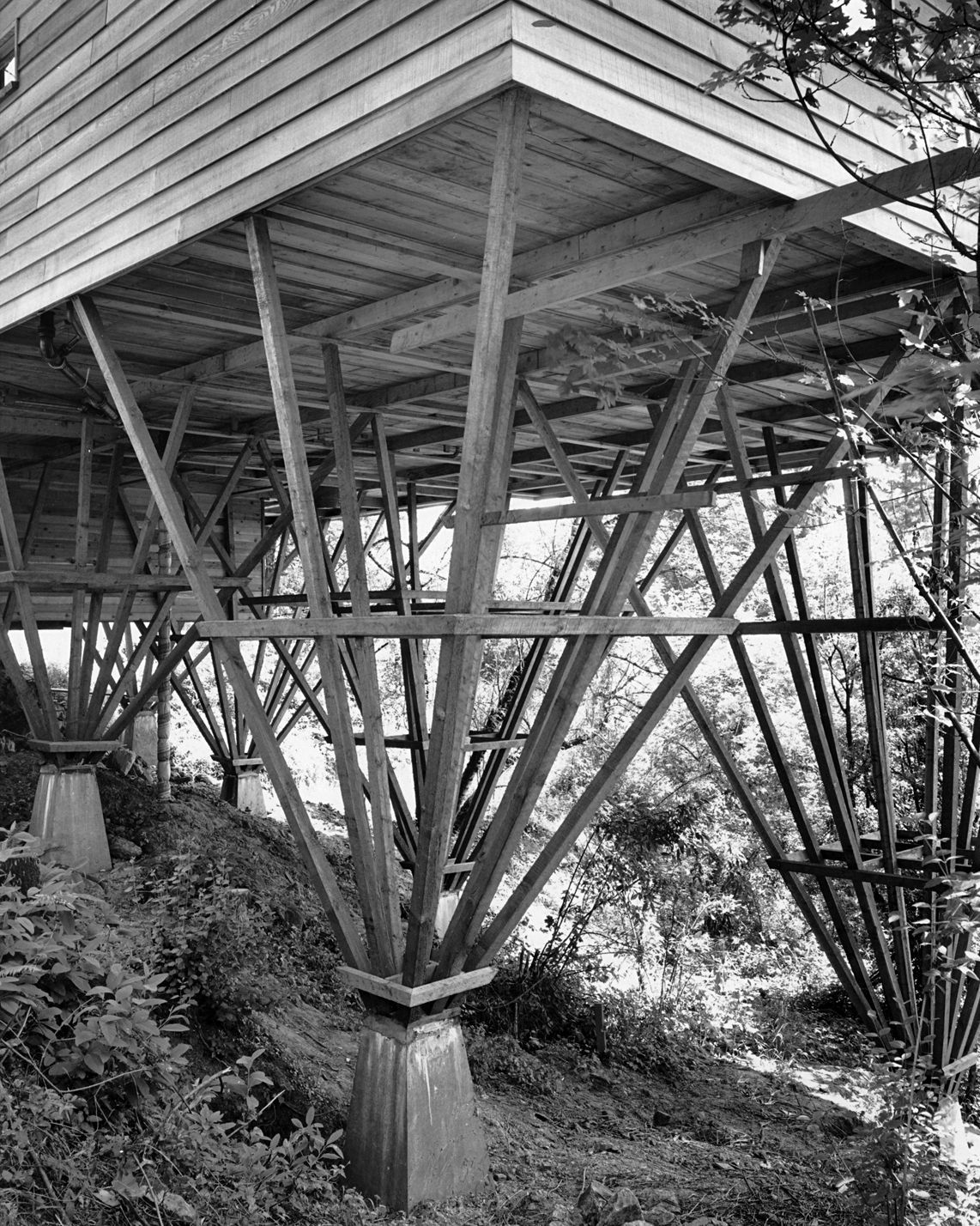
Bailey became known for two structural innovations that addressed specific challenges of building in Portland's West Hills. The first was his stilt-type construction system for Portland's steep hillsides. How do you build on dramatic slopes without either massive excavation or dangerously long beam spans? Bailey developed a method of supporting houses on sturdy stilts that minimized both issues. The stilts carried the structure's weight while creating covered parking below which was both practical and elegant (two things architects love!). Drive through Portland's West Hills today and you'll see Bailey's influence everywhere in how houses perch on the dramatic slopes.
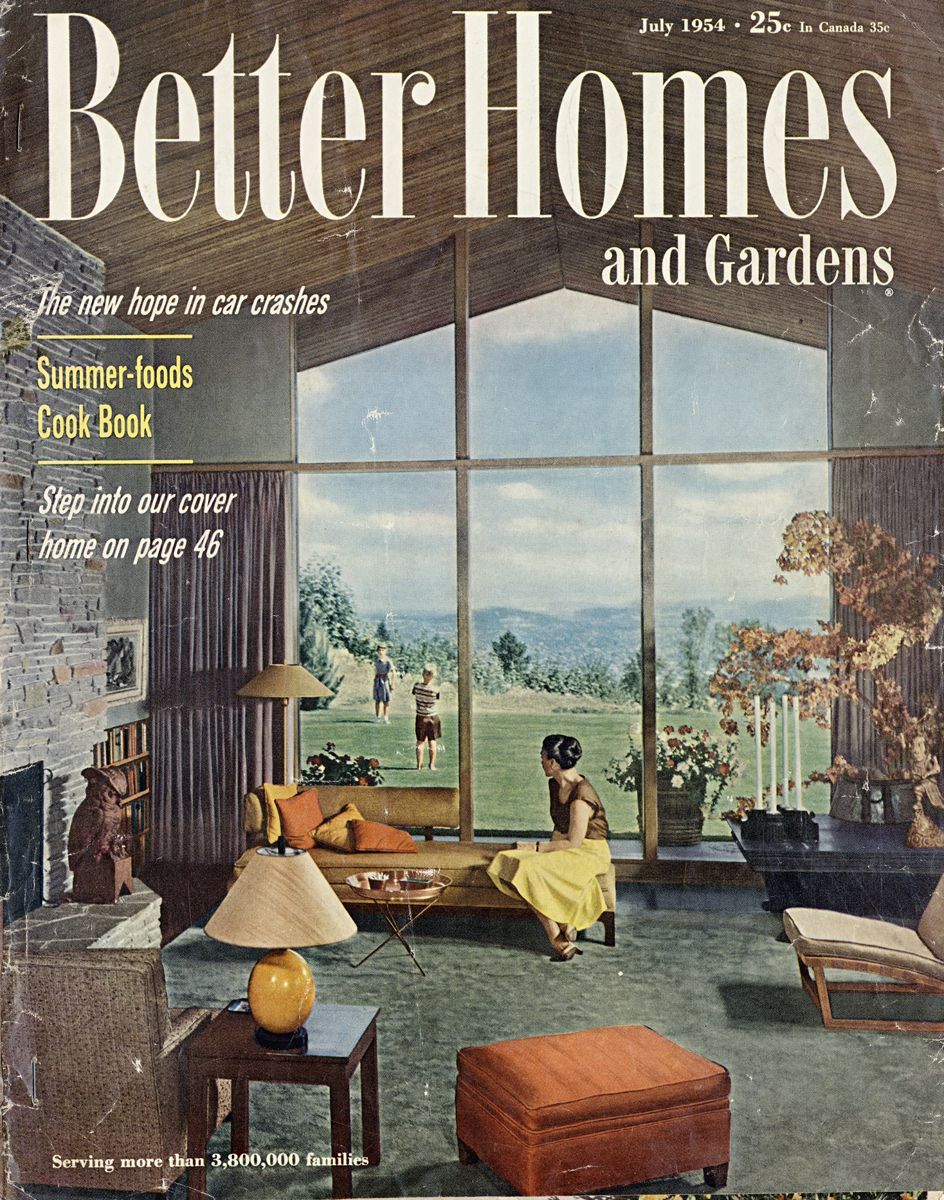
The second innovation was even more visible and became his signature. Instead of conventional roof construction with trusses, insulation, and drywall ceilings, Bailey laminated fir two-by-sixes together to create structural roof decks that served as both support and the finished ceiling. The rough texture of those boards created distinctive vaulted ceilings that drew the eye upward and outward toward the views. For the David Eyre house in the West Hills, Bailey eliminated even the ridge beam, interlocking the laminated board ends to form the roof peak.
A Legacy of Livability
What clients loved about Bailey was his commitment to livability. That's also one of the reasons they're still so in demand today with their timeless style and ease of living. These modern homes were designed for real families doing everyday things like cooking, entertaining, raising children and enjoying the lush Portland landscape.
Bailey's T-shaped floor plans became a signature. One leg contained the great room with kitchen and dining clustered at the center. A second leg held the primary suite. A third accommodated additional bedrooms around a family room. This arrangement gave different household members their own zones while maintaining visual and spatial connection throughout. Throw in some some built-in cabinetry, hi-fi cabinets, two-car garages, clever storage, and thoughtful circulation patterns and Portlanders in the 1940's and 50's couldn't resist.
Bailey's contribution to local architecture goes beyond building houses. He helped define what mid-century American domesticity looked like in the Pacific Northwest. He documented how national design trends adapted to our climate and landscape. His innovations in stilt construction and laminated roofing became part of the local building vocabulary, used by other architects addressing similar challenges.
The architectural press recognized Bailey's talent. Better Homes and Gardens, American Home, and other national magazines featured his work. But Bailey never achieved the fame of Belluschi or Yeon, perhaps because he was content designing excellent houses rather than pursuing larger commissions or academic positions. He retired to Gleneden Beach on the Oregon coast in 1968, where he lived until his death in 1980.
During his forty-year career, Bailey designed hundreds of modern residences throughout the Portland metropolitan area. Many remain lived in and loved today, often by owners who appreciate their Northwest character and structural integrity.
