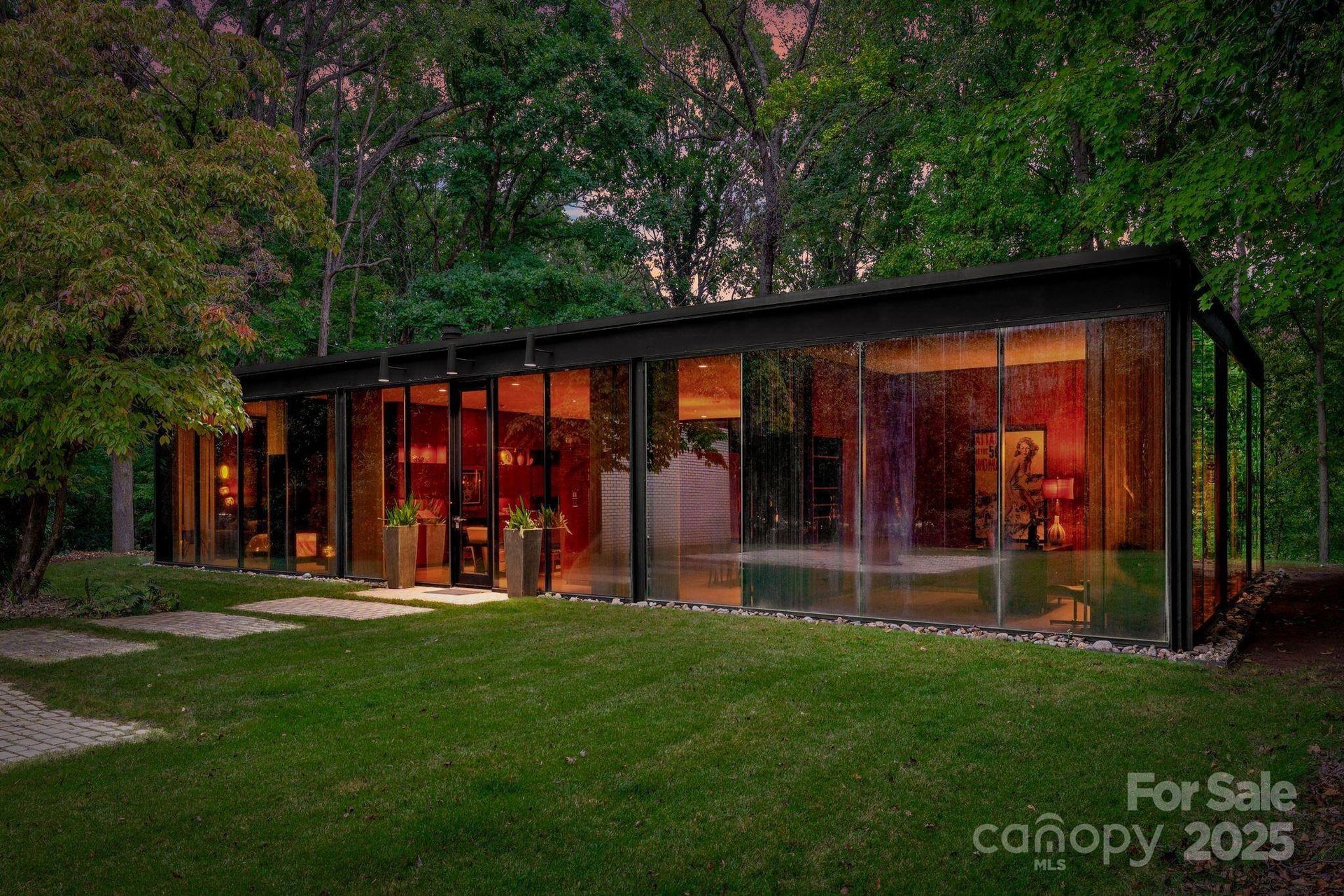
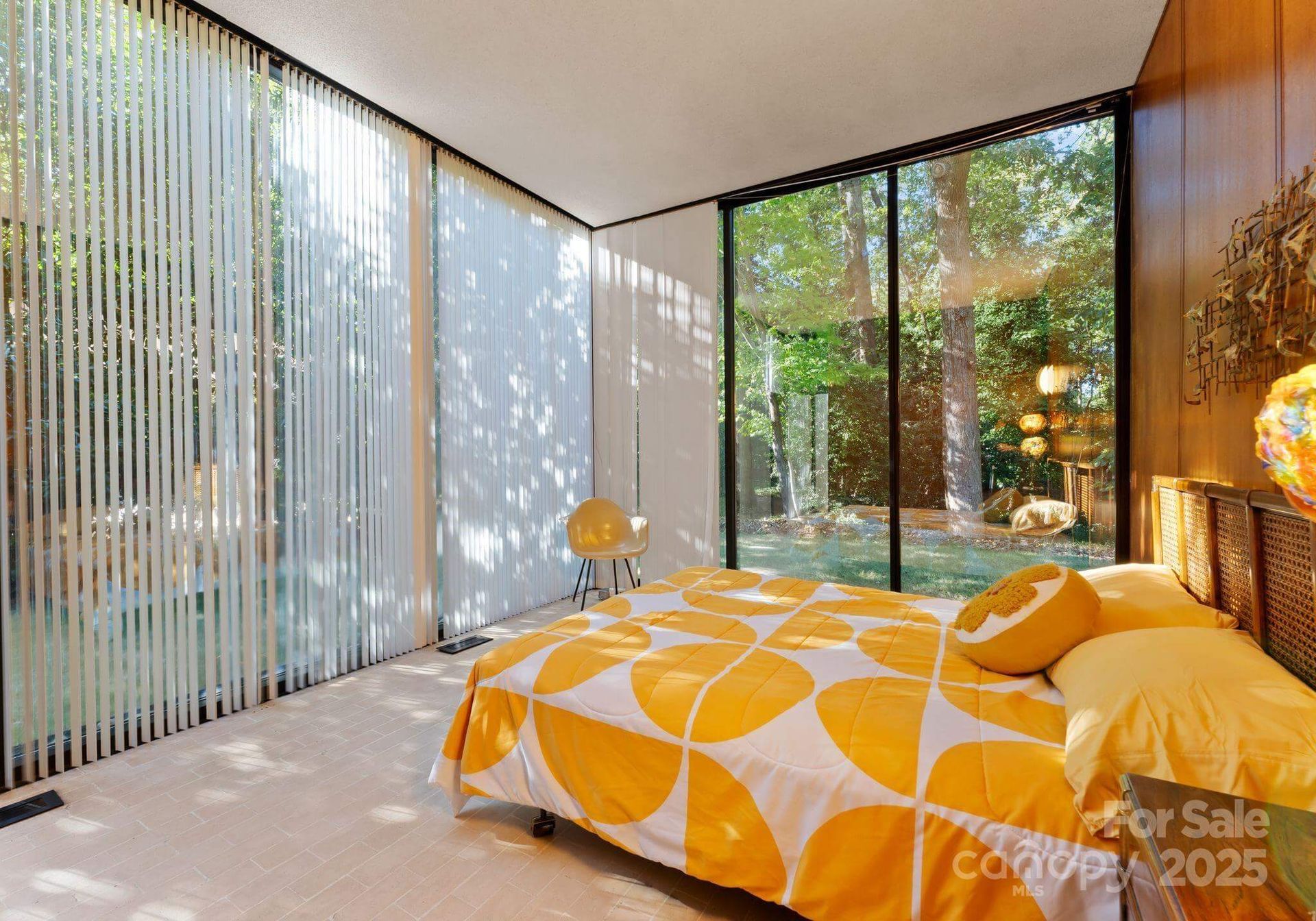
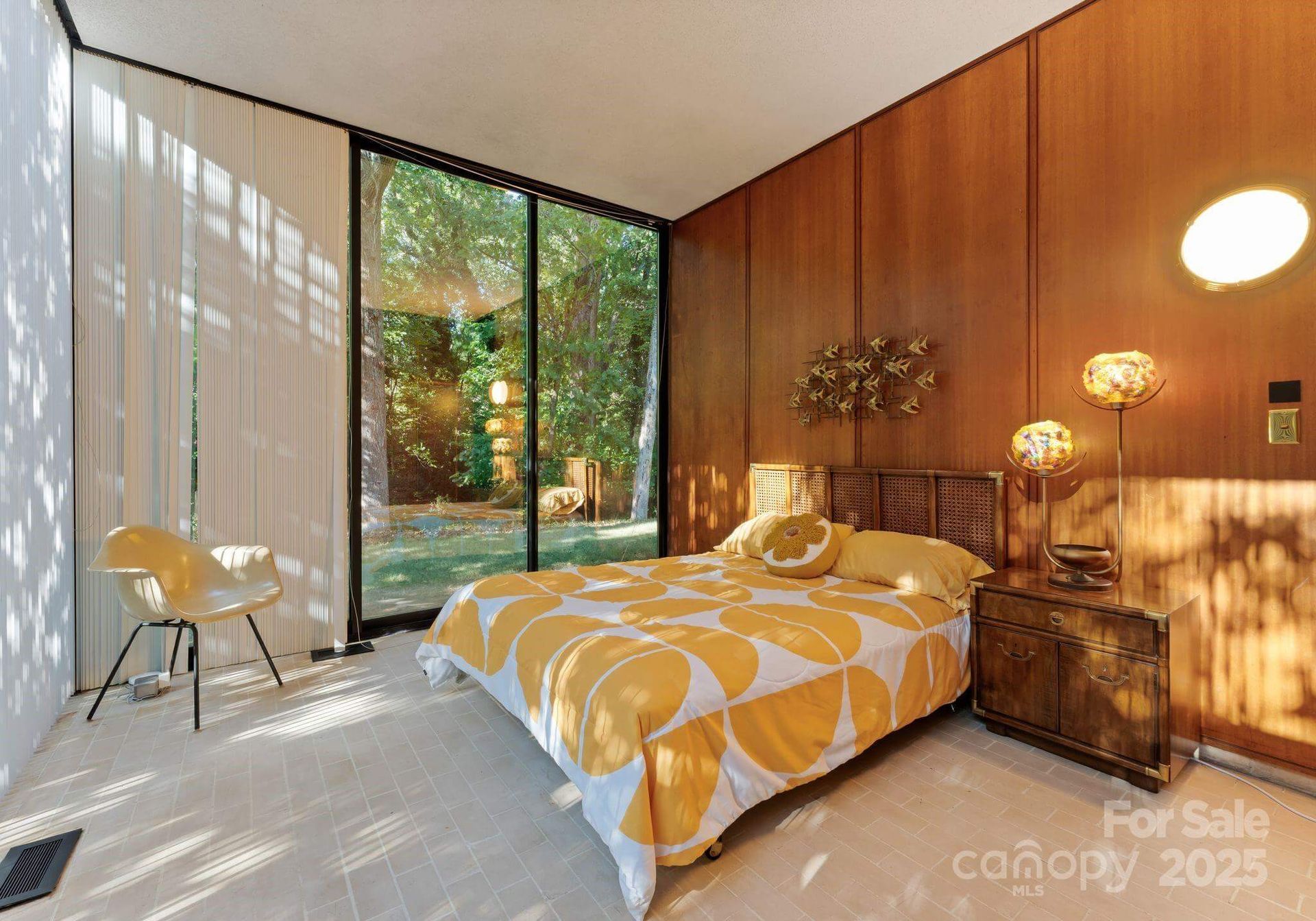
Tucked amid a wooded lot in Charlotte’s Providence neighborhood, the Bates Glass House stands as a rare Southern example of true mid-century modern design. Completed circa 1960 by architect Charles Bates as his family residence, the home draws inspiration from Philip Johnson’s iconic Glass House in New Canaan, Connecticut. Like its predecessor, Bates’s creation embodies the ideals of lightness, simplicity, and harmony between structure and landscape.
Location
Charlotte, NC
Style
Mid-Century ModernAddress
9331 Providence Road
Architect
Market
CharlotteState
North CarolinaPhoto Credit
Charlie Miller, 5 Points Realty & CanopyMLS


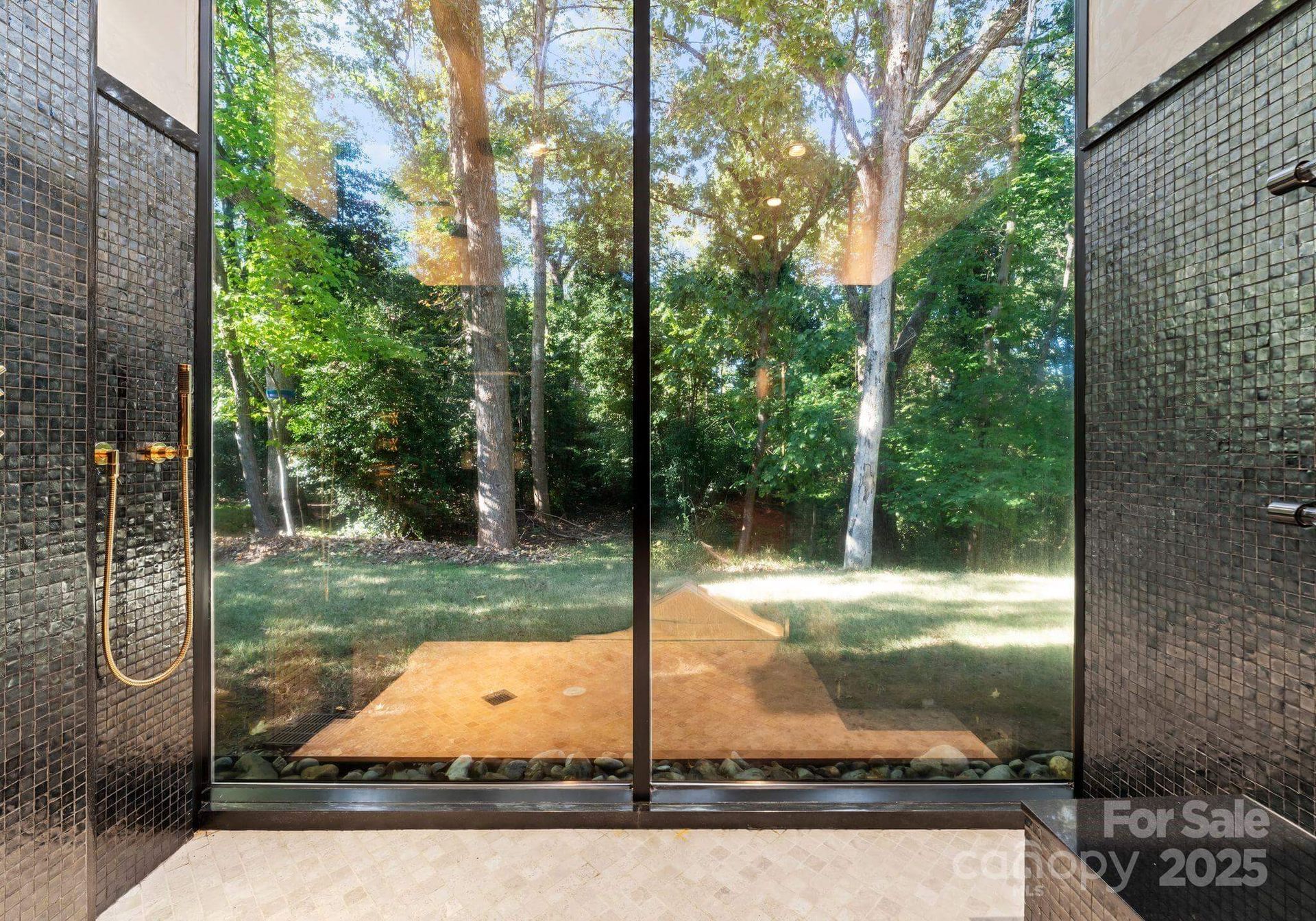
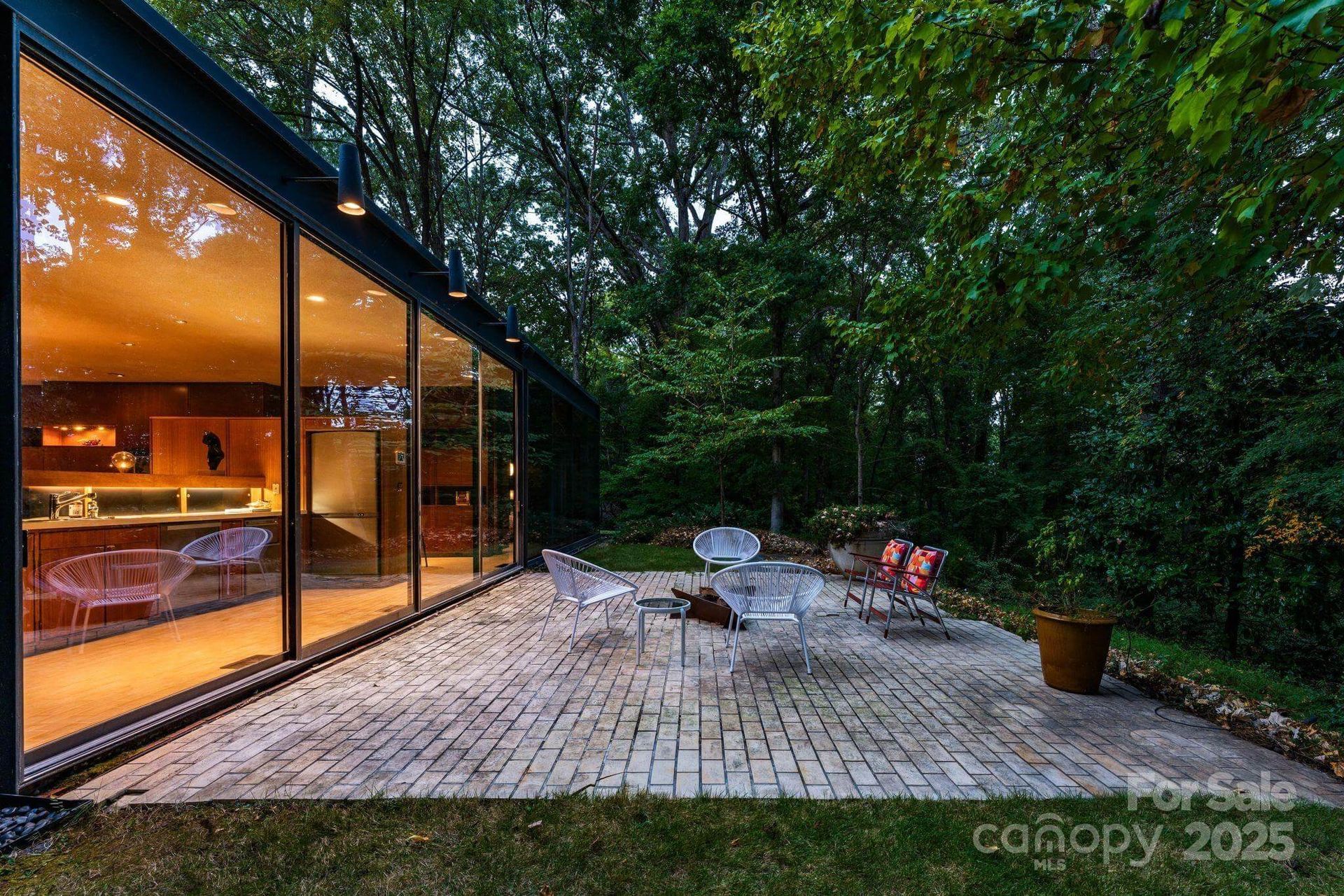
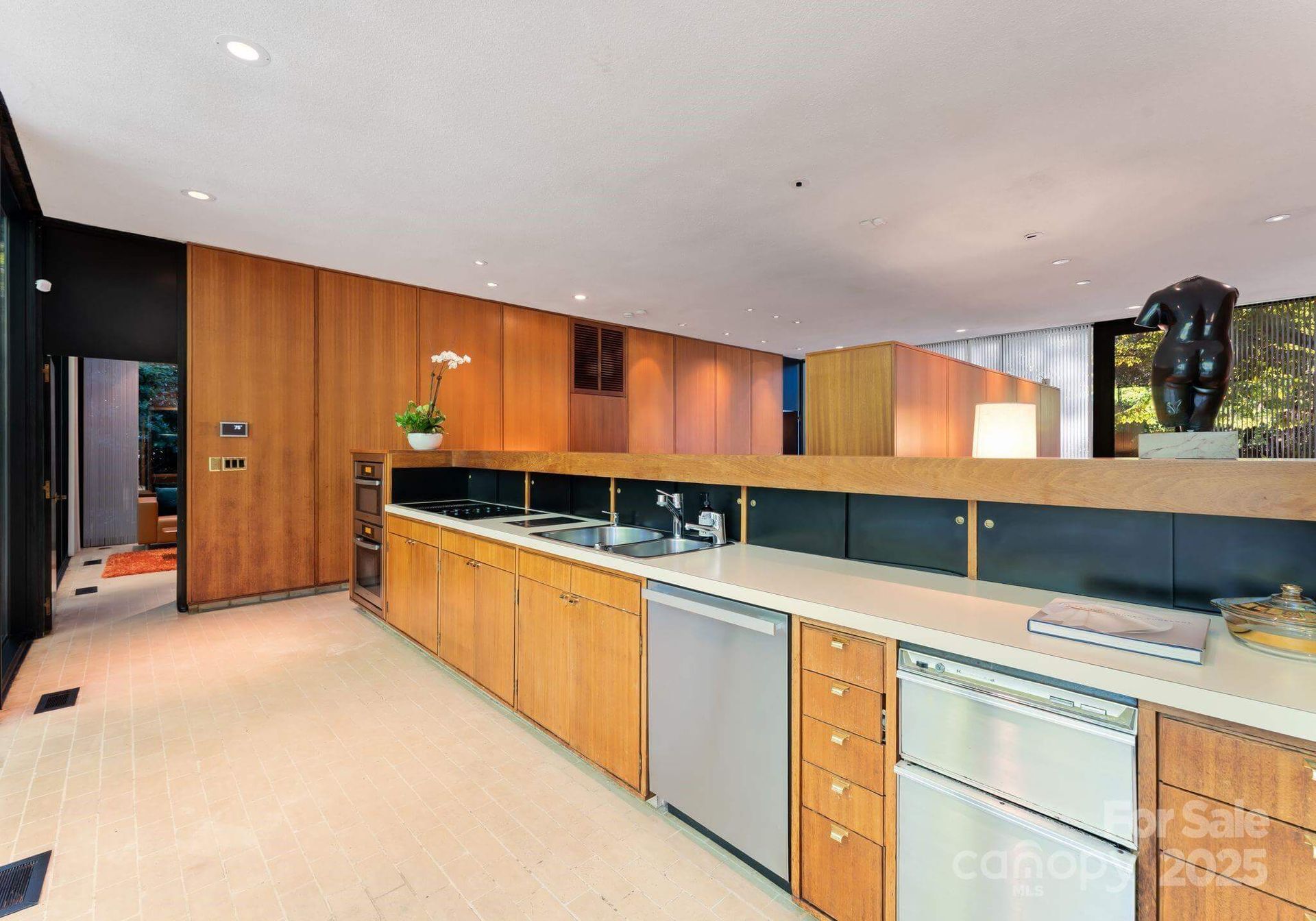
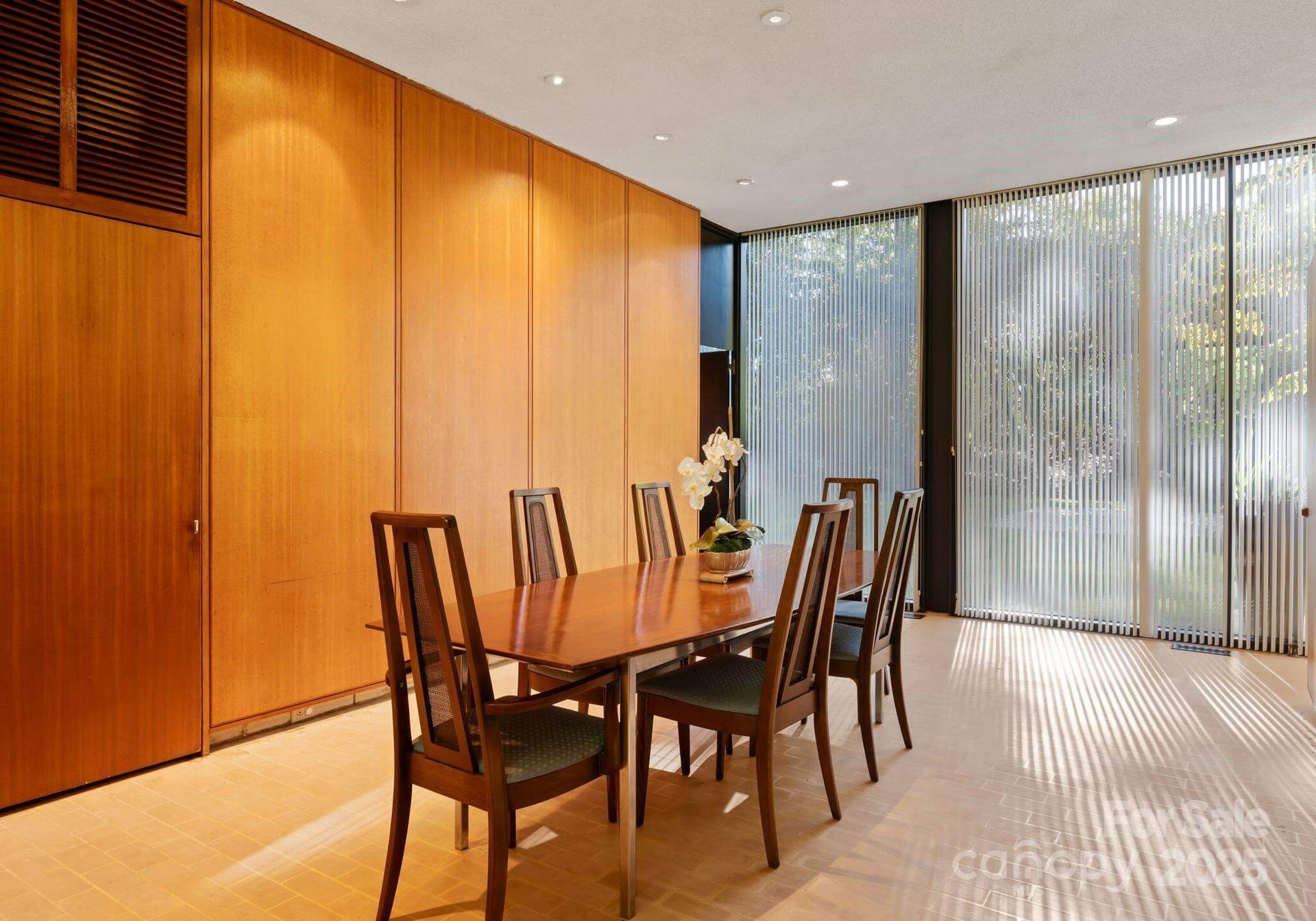
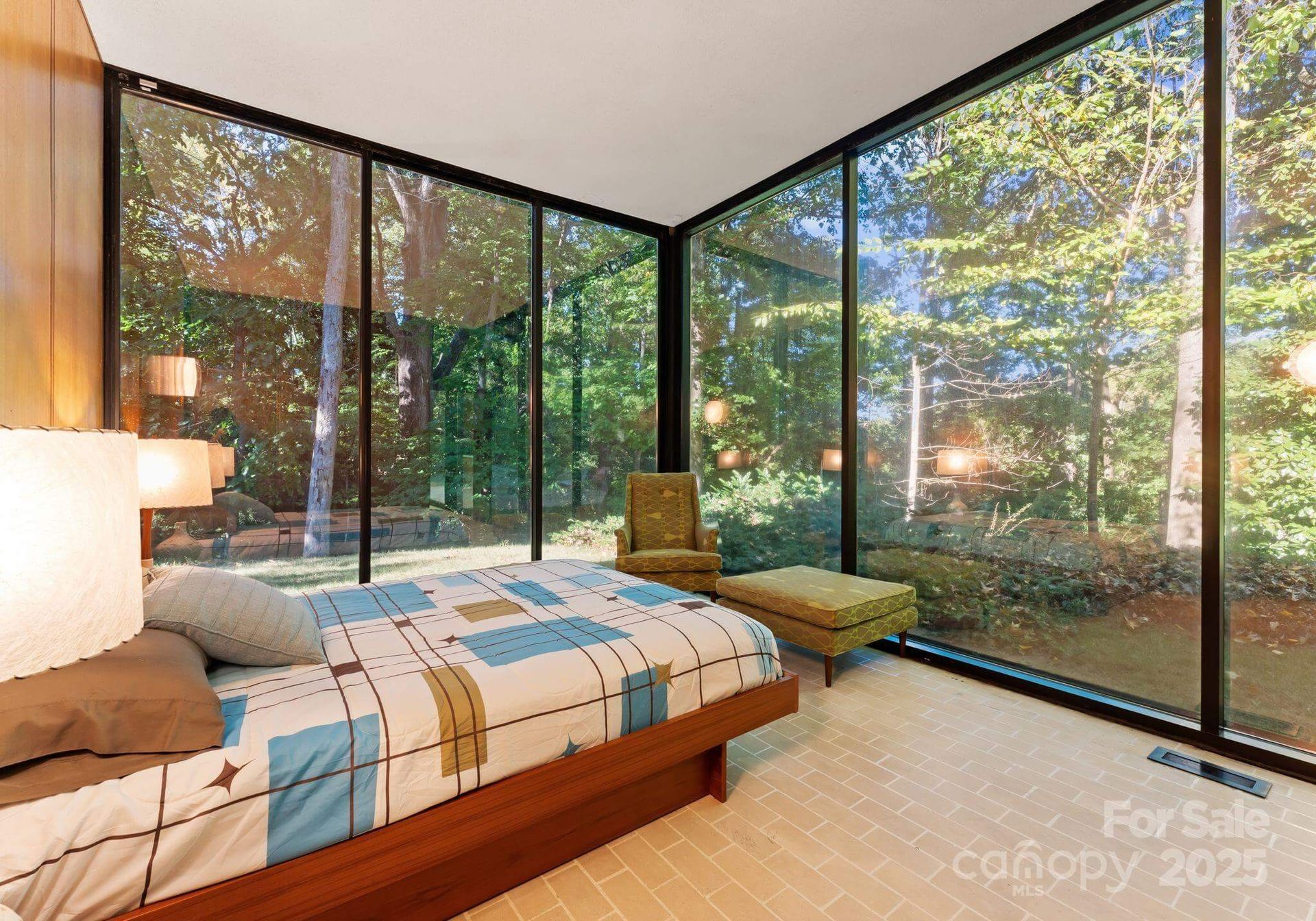
The house’s glass-and-steel composition anchors it firmly within the modernist tradition. Transparent walls stretch across both the front and rear elevations, dissolving the boundary between interior and exterior space. Natural materials like brick, wood, and terrazzo soften the minimalist geometry, grounding the home within its lush North Carolina surroundings. The result is a work of quiet drama, where structure, site, and light converge to create a seamless living environment.
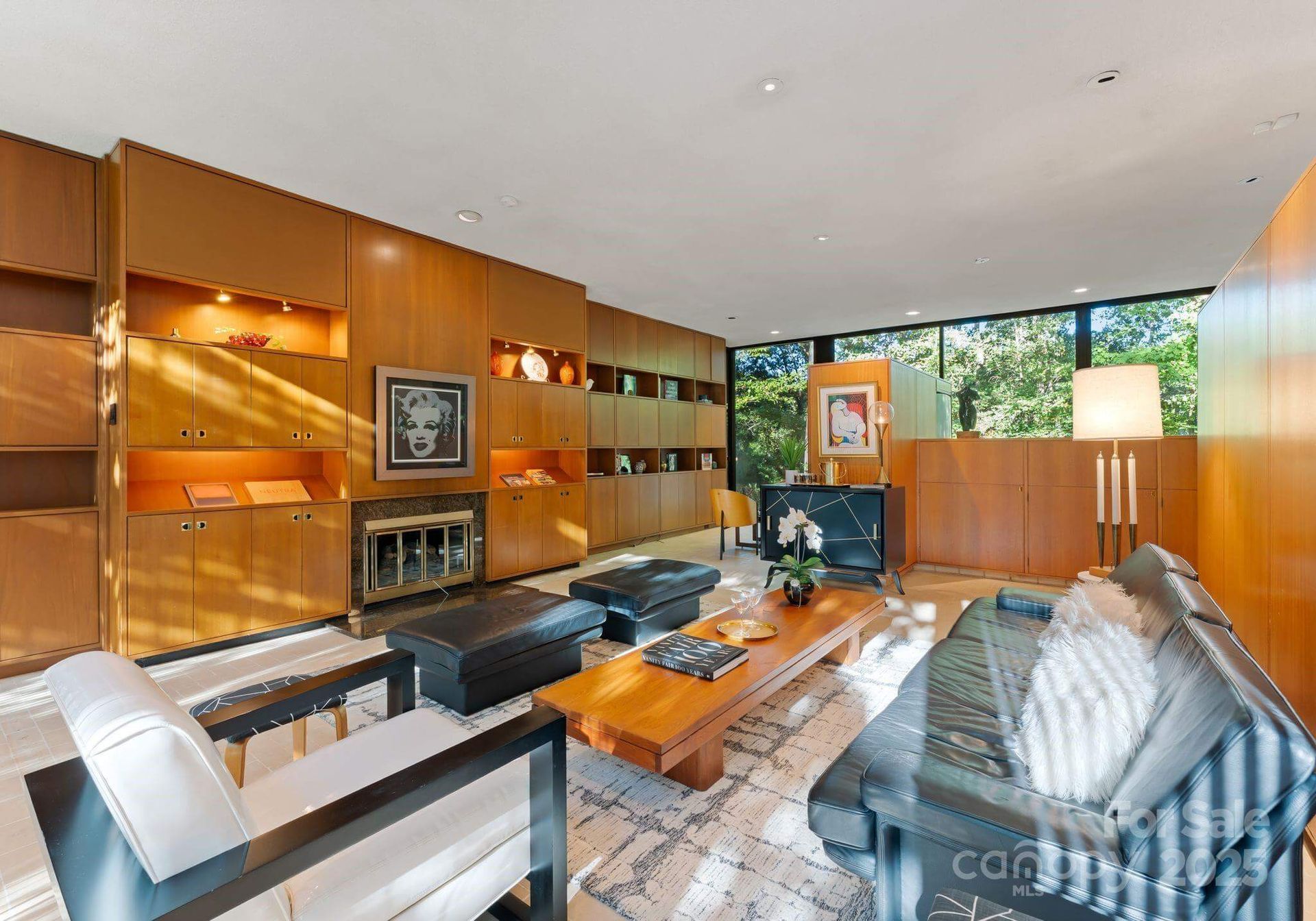
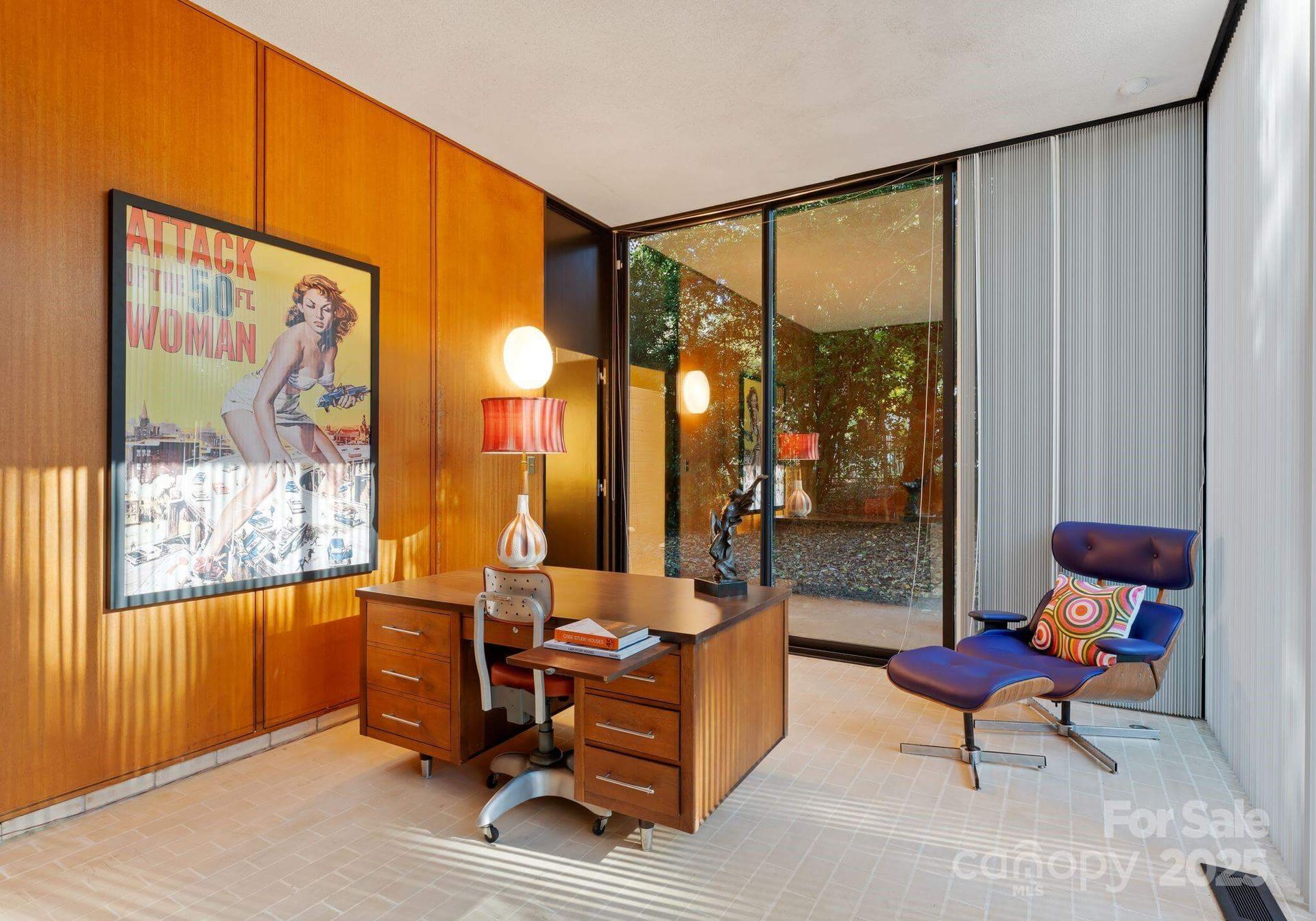
Inside, the 2,119-square-foot plan is organized around an open living area lined with warm wood paneling and framed by floor-to-ceiling glazing. The architecture prioritizes sightlines and continuity, allowing each room to flow naturally into the next while maintaining a strong connection to the outdoors. The design avoids ornamentation, favoring proportion, texture, and materials as the true sources of beauty. The overall effect is one of serenity—modernist architecture adapted for comfortable, livable warmth.
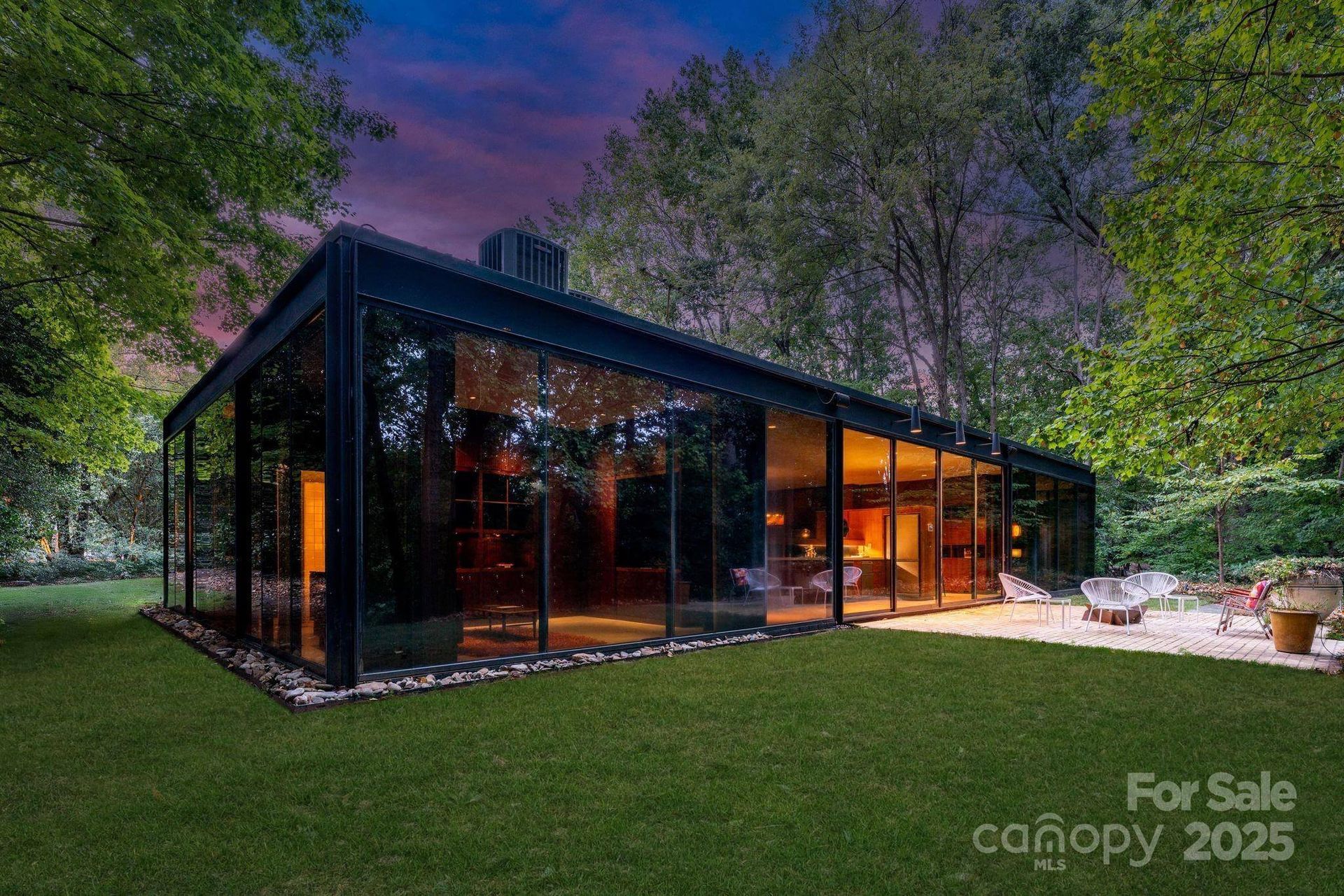
Charles Bates was among Charlotte’s most forward-thinking architects of the period, known for introducing modernist principles to a city more accustomed to traditional architecture. His personal residence, the Bates Glass House, represents the fullest expression of his design philosophy: openness without ostentation, innovation balanced by restraint.
Recently, the home was furnished by Charlotte Vintage with over 50 pieces of period-authentic furniture, underscoring the property’s historical and aesthetic significance. Every element reinforces the sense that this is not just a house but a carefully composed work of art—a living study in proportion, transparency, and modern harmony.
With its rare architectural pedigree and enduring mid-century clarity, the Bates Glass House remains an essential touchstone in the evolution of modern architecture in the Carolinas.